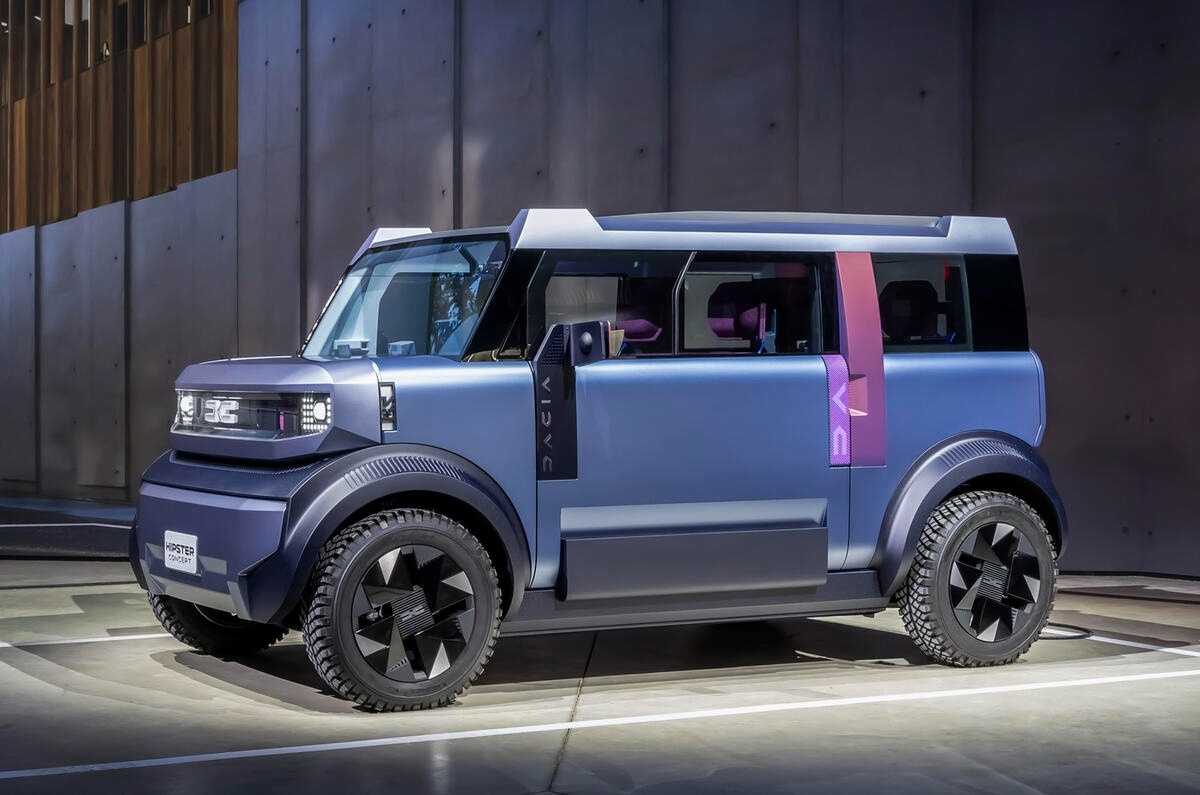
Dacia has revealed the Hipster, a compact all-electric city car that aims to redefine affordable mobility. Expected to go on sale within two years for under £12,000, the model represents Dacia’s bold attempt to bring accessible electric transport to the mass market.
Measuring just three metres in length, the Hipster’s cubic design makes efficient use of space. Despite its diminutive footprint, it seats four adults comfortably and features a flexible boot large enough to carry bulky items - including, as Dacia cheekily demonstrated, a boxed washing machine.
Powered by a compact electric motor and lightweight battery, the Hipster is expected to deliver a range of around 100 miles, sufficient for the average European driver. Dacia positions it as a spiritual successor to 20th-century icons such as the Volkswagen Beetle and Citroën 2CV - cars that democratised mobility for their eras.
The Hipster was unveiled as a concept in a converted airship hangar near Versailles, but Dacia has a strong record of turning concepts into production vehicles. Built on Renault Group’s expertise, it is designed to be agile, practical, and frugal, embodying the brand’s “essential and robust” philosophy.
Compact, Capable, and Characterful
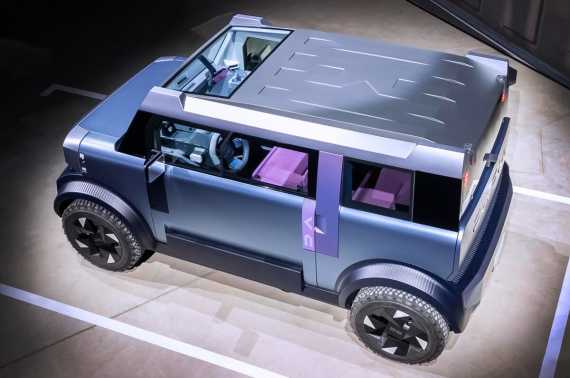
The Hipster’s design draws inspiration from Japan’s Kei cars, blending functionality with a quirky charm. Its high seating position, panoramic glass roof, and cleverly optimised cabin make it feel larger inside than its small exterior suggests - what Dacia engineers call “Tardis technology.”
The car weighs under 800 kilograms and will comply with the latest EU safety and environmental regulations. Practicality remains central: the boot expands from 70 to 500 litres by folding the rear seats, and the wide, split-opening tailgate simplifies loading.
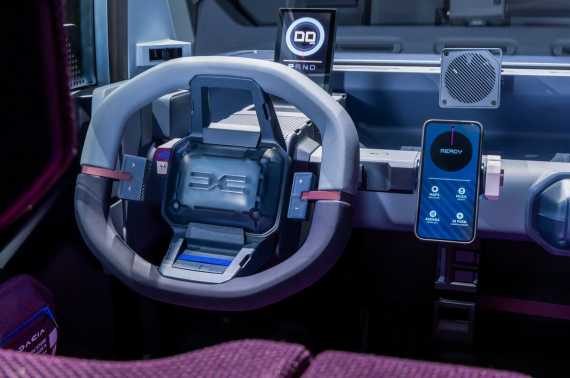
Inside, the design is minimalist yet thoughtful. The bench-style front seat, mesh-backed headrests, and clip-on accessories echo classic utilitarian vehicles while reducing cost and weight. A smartphone dock replaces a traditional infotainment system, allowing the driver’s phone to serve as the car’s digital key, navigation, and audio hub.
Purposeful Simplicity
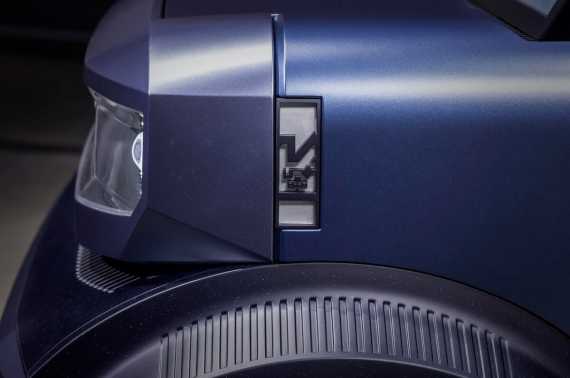
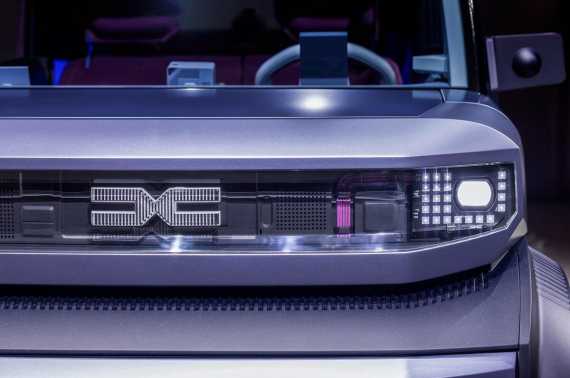
Dacia’s designers describe the Hipster as a “block on wheels” — functional, safe, and unpretentious. The boxy silhouette, recycled-plastic side panels, and strap-style door handles reinforce its practical ethos. The car will feature only three painted exterior parts to reduce manufacturing complexity and cost.
While Citroën’s Ami, priced from £7,696 - technically qualifies as a quadricycle, the Hipster will be a fully homologated car, suitable for city, suburban, and rural roads alike.
It will also undercut Dacia’s current electric model, the Spring, which starts at £14,995 and offers a 140-mile range.
A New Kind of ‘People’s Car’
Dacia CEO Katrin Adt hinted that a production version is all but certain:
“Within Renault Group, we have all the assets to make it happen. The future of Dacia is full of surprises.”
The company says the Hipster is designed for “the real needs of customers.” Surveys in France show that 94% of drivers travel fewer than 24 miles per day, making a 100-mile range more than sufficient for most use cases. Dacia estimates that most users would need to charge only twice per week.
The model also addresses a growing affordability gap. The average price of new cars in Europe has risen 77% since 2010, outpacing household incomes. By targeting buyers priced out of today’s EV market, Dacia hopes to make electric mobility genuinely democratic again.
Looking Ahead
With its minimalist design, recyclable materials, and small battery, Dacia claims the Hipster will halve its lifetime carbon footprint compared with current mainstream EVs. It embodies the company’s mission to challenge automotive excess - offering simplicity, practicality, and character at a time when cars are becoming increasingly large, heavy, and expensive.
As Romain Gauvin, head of advanced design at Dacia, put it:
“Our ambition was to reinvent the true people’s car - a design so distinctive you could sketch it in three strokes.”
The Hipster Concept signals not just a new model, but a philosophical shift. In a market dominated by oversized, over-equipped vehicles, Dacia is betting that smaller, smarter, and simpler might just be the future.