Free Vehicle Tax (VED) Check
- DVLA Tax reminders
- How much you will pay
- Tax check by registration

Car Tax Made Simple
Car tax, also known as road tax or VED, is a yearly fee for keeping a roadworthy vehicle in the UK. The amount varies by vehicle type and CO2 emissions: electric cars usually pay zero, motorcycles pay less, and higher-emission vehicles pay more. Your rate depends on your car’s registration date, with diesel vehicles facing an extra charge. First-year fees are based on emissions, with a flat rate after that.
You can pay for yourself or someone else, with exemptions for certain groups and refunds if your car is scrapped.
How to Check Your Car Tax
-
Enter Your Registration Number: Type your vehicle's registration number into the search box at the top of this page. Our tool connects directly to DVLA records to retrieve your car's tax status instantly.
-
Interpret Your Results: You'll see your vehicle's current tax status, including the expiry date, annual tax rate, and whether your car is taxed or SORN. This information is pulled directly from official DVLA data.
-
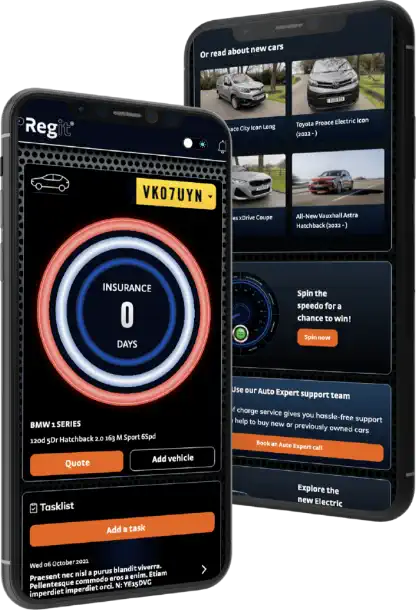
Set Up Tax Reminders: Never miss a tax renewal again. Add your vehicle to your Regit garage and receive timely reminders before your car tax expires, helping you avoid fines and stay road-legal.
Important Update for EV Owners!
Starting from April 2025, all electric vehicles will be subject to road tax (VED) for the first time.
Starting in April 2025, the government is introducing new road tax (VED) rules for electric vehicles. This change means that even zero-emission cars, vans, and motorcycles will soon have an annual tax.
Here’s what you need to know to stay prepared:
Taxed from day one, with the lowest rate for zero emissions.
After the first year, EVs will move to a flat yearly rate.
Vehicles over £40,000 face an extra annual charge in years 2 to 6.
Even current EVs will start paying a student rate from 2025.
Make sure you're prepared!

Benefits of using Regit's car tax checker
Check Your Car Tax Due Date
Check when your car tax (or vehicle excise duty) is due with our easy and intuitive checker tool.
DVLA Tax Reminders
Only will we tell you when your tax is due to expire, but we will also set timely reminders to remind you in the future. Failure to have valid tax on your car can lead to fines and even prosecution.
Tax Check by Registration
Our service enables you to quickly retrieve your expiry date by registration. Unfortunately, without this we cannot check your date. However, you can still avail of our unique reminder service.
How Vehicle Excise Duty (VED) Works in the UK
Vehicle Excise Duty (VED), commonly known as car tax or road tax, is a compulsory annual tax that must be paid for any vehicle kept or driven on UK public roads. The tax is administered by the DVLA and failure to pay can result in fines, clamping, or prosecution.
VED rates are determined primarily by your vehicle's CO2 emissions and the date of first registration. Cars registered after 1 April 2017 follow a different banding system to those registered before that date. Electric vehicles were previously exempt, but from April 2025, all zero-emission cars are also subject to VED.
The tax is split into a first-year rate (based on emissions) and a standard annual rate applied from year two onwards. Vehicles with a list price exceeding £40,000 may also incur an additional supplement for the first five years at the standard rate.
What Affects How Much You Pay for VED
Several factors determine how much Vehicle Excise Duty you will pay each year. Understanding these can help you anticipate costs when buying or running a vehicle.
Your car's carbon dioxide output is the primary factor in calculating VED. Lower emissions mean lower tax, with zero-emission vehicles paying the least.
The first year of tax is based on your vehicle's exact CO2 figure. From year two, most cars move to a flat standard rate regardless of emissions.
Vehicles with a list price over £40,000 pay an additional annual supplement for five years from the second year of registration.
Diesel vehicles that do not meet RDE2 standards pay a higher first-year rate. For older vehicles registered before 2001, tax is calculated by engine size (cc) instead of emissions.
What Happens If Your Car Isn't Taxed
Driving or keeping an untaxed vehicle on a public road is a criminal offence in the UK. The DVLA uses automatic number plate recognition (ANPR) cameras to identify untaxed vehicles, so enforcement is proactive. Here are the potential consequences:
- £80 fine — An automatic late licensing penalty issued by the DVLA. This is reduced to £40 if paid within 28 days.
- Backdated tax owed — You may be required to pay tax for the period your vehicle was untaxed, even if it was not driven.
- Vehicle clamping or impound — The DVLA can clamp or impound untaxed vehicles found on public roads. Retrieving an impounded vehicle incurs additional fees.
- Court prosecution — Persistent offenders may face court action, with fines of up to £1,000 and a possible criminal record.
Regularly checking your car tax status helps you avoid these penalties. Use Regit's free tax checker to stay informed and set up expiry reminders.
Why Checking Vehicle Tax Matters (Used Car Buyers & Owners)
Whether you are buying a used car or simply keeping on top of your own vehicle's paperwork, checking the tax status is an important step in responsible car ownership.
Due Diligence When Buying Used
Before purchasing a second-hand vehicle, checking its tax status confirms whether the car is currently taxed or declared SORN. An untaxed vehicle may indicate the seller is not fully compliant, which could signal other issues with the car's documentation or history.
Avoiding Hidden Costs
When buying a used car, the existing tax does not transfer to the new owner. You will need to tax the vehicle in your name before driving it away. Understanding the annual VED cost in advance helps you budget accurately and avoid unexpected expenses at the point of sale.
Checking a Seller's Compliance
A vehicle that has been continuously taxed suggests an owner who has kept on top of legal requirements. Gaps in tax history could be legitimate (the car may have been declared SORN), but they are worth investigating alongside MOT history and a full vehicle check.
What about SORN?
If you don't want to continue driving your vehicle(s), you need to tell DVLA if it's going to be off the road for more than 6 months, this is called submitting a SORN or "Statutory Off Road Notification".
Make a wise choice and submit a SORN to DVLA online. DVLA is the agency responsible for your vehicle's tax, MOT, and other services like telling the DVLA you're taking your vehicle off the road. It's easy to set up and saves you money in the long run.
Official UK Sources — How Regit Gets Data
Regit's car tax checker retrieves vehicle tax information directly from the DVLA's official records. This means the data you see — including your tax status, expiry date, and rate — comes from the same authoritative source used by law enforcement and government agencies.
We do not estimate or approximate. Every tax check is a live lookup against the DVLA database, ensuring the information is accurate and up to date at the moment you search. Regit has been a trusted provider of motoring tools and data for UK drivers since 2008.
Frequently Asked Questions
How to check a car's tax?
Check your cars' tax by inputting your registration number in the above field. It is also possible to get more information on your car's current tax rates, by using the 11-digit reference number from your V5C. This service is completely free to use.
How do I tax my car?
You may tax your car by using a reference number from a V11 or warning letter from the DVLA, a V5C in your name or a new keeper slip from a freshly bought vehicle. Keep in mind that you must tax your vehicle, even if it is exempt.
Are there any cars that are exempt from tax?
You may be exempt if your car is registered as off the road (SORN). Additionally, vehicles used by and for persons with disabilities, historic vehicles, mobility scooters and powered wheelchairs, electrical vehicles and vehicles used for agriculture, horticulture and forestry, as well as mowing machines, are all exempt from paying car tax.
Penalty for driving with an expired road tax?
If your car isn't taxed, you will automatically be issued a fine of £80 and a warning. Paying the fine within 28 days will halve it, but not settling it may lead to going to court and facing a maximum penalty of £1,000. Make sure to check your car's tax ahead of time to avoid unpleasant surprises.
How do I get car tax back?
In case your vehicle is no longer on the road, or in your possession, you may claim a refund for any full months of car road tax you've already paid. However, no refund is possible for credit card fees and the amount will be based on the lowest of either your first tax payment or the second rate of tax payment.