
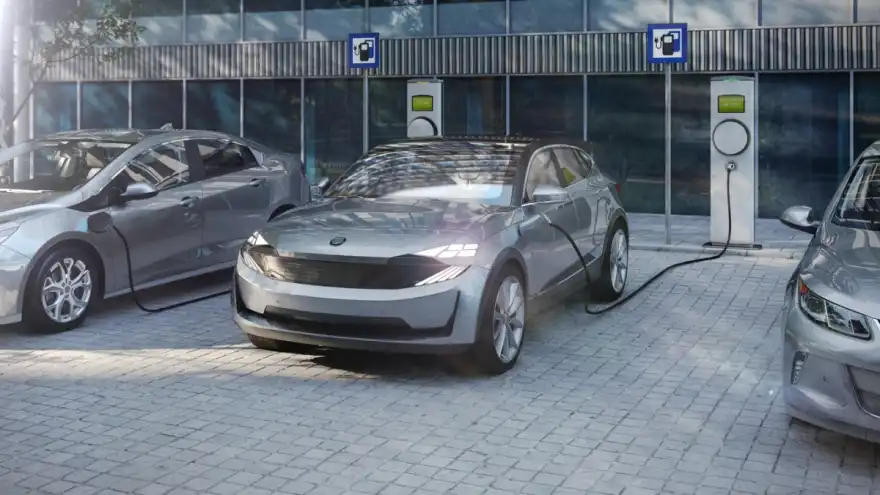
Motorists look set to join company car schemes in increasing numbers and pick zero emission, fully electric vehicles thanks to company car tax ‘benefit-in-kind’ rates that cut the cost in 2020/2021, Drive Electric said following a survey of employees. The leasing company added that 47.86% and 32.48% of respondents are ‘very likely’ or ‘likely’ to choose an electric car (respectively).
How company car tax works
Consider why you might pick an electric car rather than a traditional alternative. Company car tax is payable if you have access to a company vehicle for personal use. For commuting to work, for example. It can equate to a considerable amount of money.
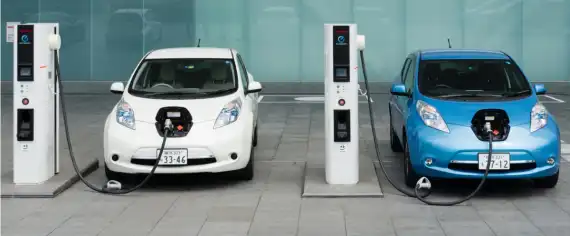
In simple terms, to calculate liability note the car’s value when new (P11D). Let us say £20,000. Multiply £20,000 by the benefit-in-kind rate which is a percentage based on the car’s emissions. Let us say 10% which equates to £2,000. Finally, multiply £2,000 by your income tax rate, e.g. 40%. The liability in this case is £800.
The 2020/2021 company car tax benefit-in-kind rate for zero emission, fully electric cars is 0%. The purpose of this incentive is to encourage you to pick a vehicle that cannot emit any pollutants (at the point of use). Pollutants from a traditional vehicle cause various health complaints and damage the environment.

Further benefits of electric cars
Drive Electric suggested there are other benefits to picking a fully electric, zero emission company car. It hinted you might ‘prefer’ the driving experience, for example. An electric vehicle is typically easier to drive, quieter, and more responsive on the throttle than a comparable vehicle that has a petrol/diesel engine.
Furthermore, legislation is likely to make it increasingly difficult – and increasingly expensive – to drive a traditional car. Consider clean air zones, for instance. They require you to pay to enter cities if your car pollutes heavily and are likely to become more common. Expect no such cost in a zero emission vehicle.