Tl:DR The Greater Manchester mayor has his eye on Number 10. Before drivers get too comfortable, it is worth looking at his actual record on transport policy, not just what he says on the campaign trail.
Andy Burnham is positioning himself as a future Labour leader and potential prime minister. His pitch is built on his time running Greater Manchester. That record, depending on how you look at it, is either pragmatic, people-first politics or a story of bold policy followed by a sharp U-turn when things got politically uncomfortable. For drivers, the truth sits somewhere in between.
The Clean Air Zone: a £100m cautionary tale
Any honest assessment of Burnham’s relationship with drivers has to start here. The Greater Manchester Clean Air Zone was his own plan. It was introduced under a government legal direction to meet NO2 targets, but it was designed and championed by his administration. At its peak, the scheme would have charged buses and HGVs £60 per day, taxis and private hire vehicles £7.50 per day, and vans and minibuses £10 per day, across all nine Greater Manchester boroughs, seven days a week.
The zone was days away from going live in May 2022 when BBC Radio Manchester had what presenter Mike Sweeney called the busiest phone-in of his 25-year career. Commercial vehicle drivers and business owners flooded the lines saying the charges were unviable. It is worth being clear on one point: the CAZ charges applied to commercial vehicles, not private cars. But the backlash was loud and very public.
Burnham shelved the plans within days, citing inadequate government funding support for those who would struggle to afford cleaner vehicles. Defra agreed to a short delay while a revised plan was drawn up.
In December 2023, the Clean Air Zone was cancelled for good. By that point, estimates put the cost to taxpayers at somewhere between £100 million and £134 million, spent on ANPR cameras, planning, consultancy and infrastructure that never went live. Burnham disputed that the money had been wasted, pointing to a replacement £86 million investment plan covering electric buses and grants for cleaner taxis.
What followed was odd, to put it politely. Burnham went on something of a victory tour, positioning himself as the man who had fought off the hated charge. He appeared to set aside the fact that it was his charge in the first place. Regit covered this at the time and noted the strangeness of it.
His position now: no congestion charge, more buses
Since scrapping the CAZ, Burnham has been consistent on one thing: he does not support charging drivers to enter city centres and says he has no plans for a congestion charge in Greater Manchester. He argues that better, cheaper public transport is a more effective and fairer way to cut emissions than penalising motorists.
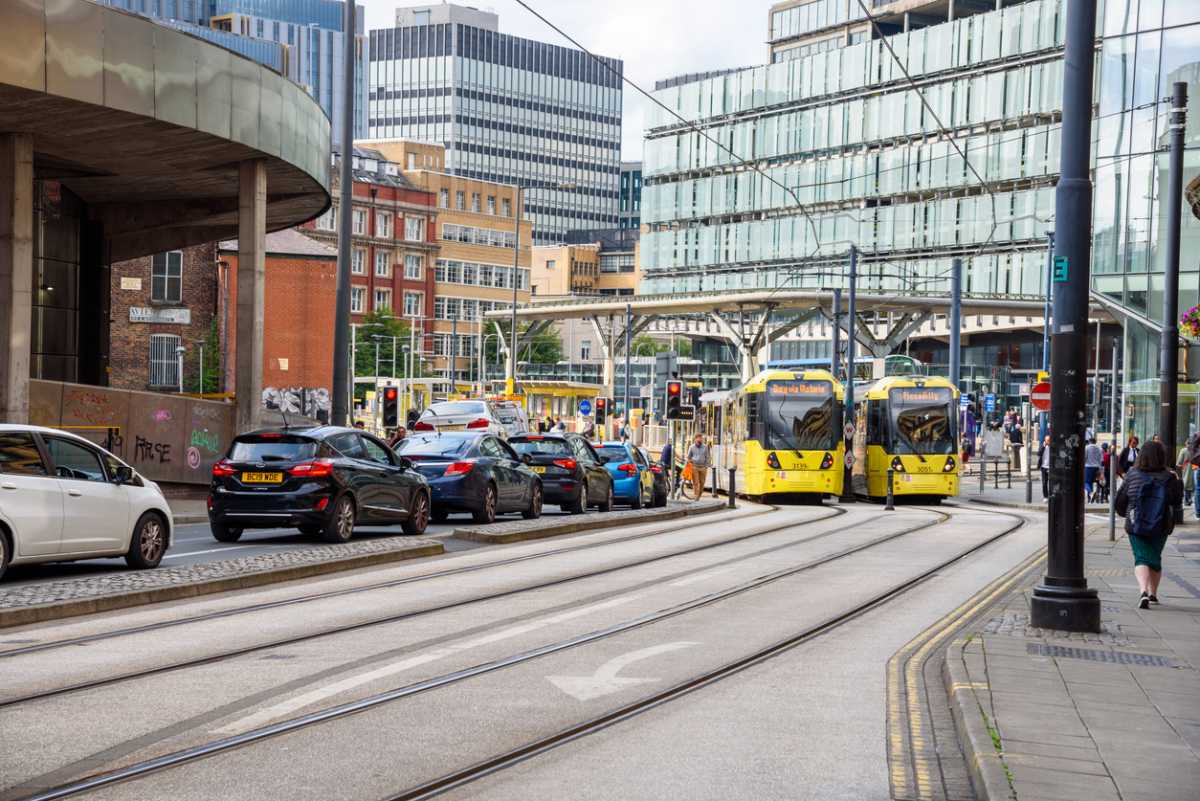
That thinking shapes his flagship Bee Network, Greater Manchester’s publicly controlled bus franchise, which brought routes, fares and service standards back under local authority control for the first time since the 1980s. Fares have been kept low to make the bus a realistic alternative to the car. The approach is consistent with where he ended up on the CAZ: change behaviour through investment and incentives rather than charges.
What a Burnham government could mean for drivers
If Burnham reached Number 10, drivers should expect more money going into buses and trams, stronger transport powers for regional mayors, and a reluctance to introduce road user charging that hits everyday motorists.
That doesn't necessarily make him pro-driver, in fact under his leadership Manchester City Centre has been remapped to limit traffic - which can either be viewed positively or negatively.
His record shows an appetite to regulate and pushed hard for an overhaul of taxi licensing, again a largely popular move, by pressing ministers to ban private hire vehicles licensed outside their operating area. He has backed tighter air quality rules and road safety policy, and would likely support lower urban speed limits and tougher emissions standards.
The likely outcome for drivers is not an overnight crackdown but a gradual shift in priorities. Public transport gets more funding and attention, short car trips become less convenient, and the policy direction moves away from treating driving as the default. For people in cities with decent transport links, that may be manageable. For those who rely on their car because there is no realistic alternative, the questions are harder.
The verdict
Burnham’s transport record is more complicated than either his supporters or critics tend to admit. He introduced a scheme that would have charged commercial drivers significant sums, spent a nine-figure sum building the infrastructure, then walked away from it days before launch when the political pressure became too great. He then tried to take credit for listening.
At the same time, his investment in the Bee Network is real, and his opposition to congestion charging has been consistent since the CAZ was dropped. Whether that reflects genuine conviction or a lesson learned the hard way is a fair question.
For drivers, the honest read is this: Burnham is not anti-car, but he is not a champion of motoring either. He will prioritise public transport, regulate where he can, and back down when public opposition gets loud enough. Whether that is reassuring or not probably depends on how much you need your car.