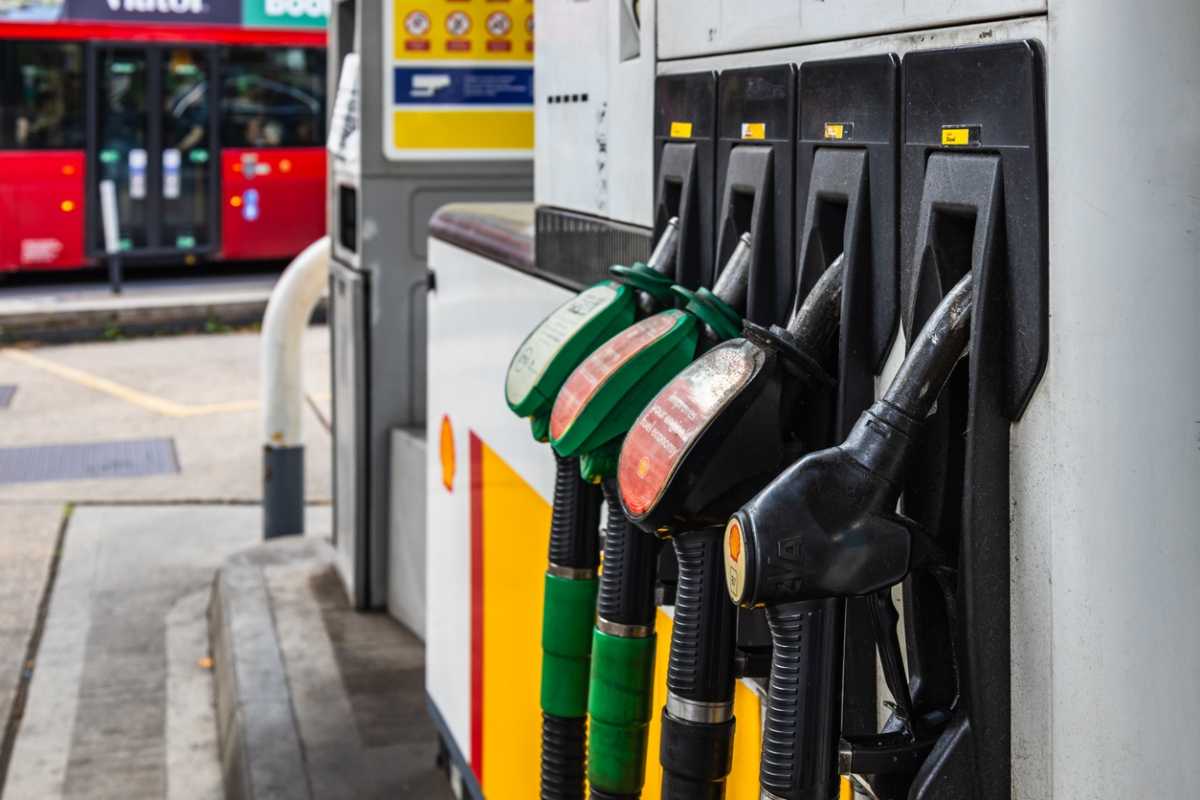
Petrol prices are expected to climb to around 160p per litre this week, marking the highest average price since tensions between the United States and Iran triggered a sharp rise in global oil markets earlier this year.
According to the RAC, average petrol prices have already risen to 157.81p per litre, while diesel has climbed to 175.71p per litre. If current wholesale costs continue feeding through to forecourts, petrol is expected to reach 160p and diesel could approach 180p per litre within days.
For millions of motorists, it's another reminder that events thousands of miles away can have a direct impact on the cost of driving in the UK.
Why are petrol prices rising again?
The biggest factor behind the latest increase is the global oil market.
Crude oil prices have risen sharply following renewed military action involving the US and Iran. Brent crude briefly exceeded $100 a barrel, reaching around $102 on 23 July before easing back to approximately $92 by 27 July. Although prices have fallen slightly, oil remains roughly 30% more expensive than it was at the start of July.
Retail fuel prices don't respond instantly to movements in oil markets. Fuel already purchased by suppliers works its way through refineries, distribution networks and forecourts before drivers see changes at the pumps. That means the higher wholesale costs seen over recent weeks are now feeding into everyday petrol and diesel prices.
The RAC believes a short pause in hostilities is unlikely to reverse the trend quickly, warning that elevated oil prices may continue to keep pressure on fuel costs.
Why diesel prices are increasing even faster
Diesel has seen steeper increases than petrol, and there are several reasons why.
The UK imports a significant proportion of the diesel it consumes, making prices particularly sensitive to international supply disruptions. At the same time, demand for diesel in the United States has increased, tightening global supplies.
Since the beginning of July:
- Petrol has increased by more than 6.5p per litre.
- Diesel has risen by around 9p per litre.
- Filling a typical family petrol car now costs around £3.50 more than it did at the start of the month.
- Diesel drivers are paying roughly £5 extra for a full tank.
For drivers covering high annual mileages or relying on their vehicles for work, those increases can quickly add up over the course of a month.
The wider cost for UK motorists
Fuel prices remain heavily influenced by international events, but UK drivers also face structural issues that limit how quickly prices fall when wholesale costs ease.
Previous analysis by the RAC Foundation estimated motorists paid an additional £307 million in fuel costs during the early weeks of the conflict as pump prices surged.
While crude oil prices can fall rapidly, reductions are not always reflected at forecourts with the same speed. Consumer groups have repeatedly called for greater transparency over fuel pricing, arguing that drivers should benefit more quickly when wholesale costs decline.
This remains a point of frustration for many motorists. Fuel duty and VAT make up a substantial proportion of the price paid at the pump, while competition between retailers varies considerably depending on location. Drivers in rural areas often have fewer alternatives, reducing the pressure on retailers to lower prices.
As Regit has highlighted previously, volatility in fuel prices reinforces the need for greater transparency across the fuel market, allowing motorists to better understand whether increases are driven by genuine wholesale costs or slower reductions filtering through the supply chain.
What drivers can do to reduce fuel costs
While motorists have little control over global oil prices, there are practical ways to reduce the impact of rising fuel costs.
Simple measures include:
- Compare local fuel prices before filling up, as differences between nearby forecourts can exceed 10p per litre.
- Keep tyres inflated to the correct pressure to improve fuel efficiency.
- Remove unnecessary weight from the vehicle.
- Drive smoothly by avoiding harsh acceleration and heavy braking.
- Combine shorter journeys into one trip where possible.
- For diesel owners, ensure regular motorway journeys if appropriate to help maintain the diesel particulate filter.
Drivers considering changing vehicles may also wish to reassess running costs rather than focusing solely on purchase price. Hybrid and electric vehicles continue to offer lower day-to-day energy costs for many households, although they may not suit every driving pattern.
Will fuel prices come back down?
That depends largely on what happens in global energy markets over the coming weeks.
If oil prices stabilise or continue to fall, wholesale fuel costs should eventually ease, although drivers may not see immediate reductions at the pumps. Conversely, any further escalation in geopolitical tensions could push prices even higher.
The RAC's current outlook suggests elevated fuel prices are likely to remain for the short term unless oil prices fall consistently over several weeks.
For motorists, that means budgeting for higher fuel costs through the remainder of the summer while keeping an eye on local pump prices to minimise the impact.
Conclusion
Petrol reaching 160p per litre is another unwelcome increase for UK drivers already facing high motoring costs. Although the immediate cause lies in global oil markets, the speed at which pump prices rise compared with how slowly they often fall continues to attract scrutiny.
For now, motorists can do little to influence international events, but shopping around for cheaper fuel, driving efficiently and understanding how fuel prices are set can help reduce the financial impact while uncertainty in global energy markets continues.