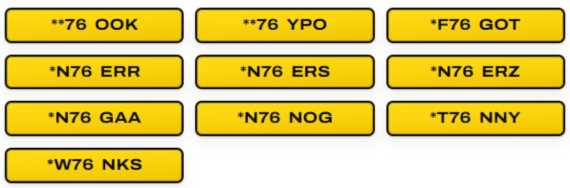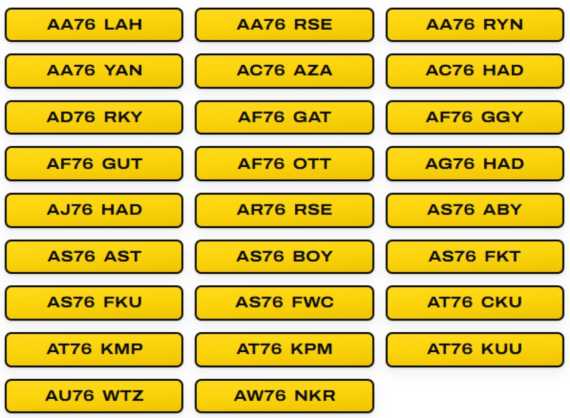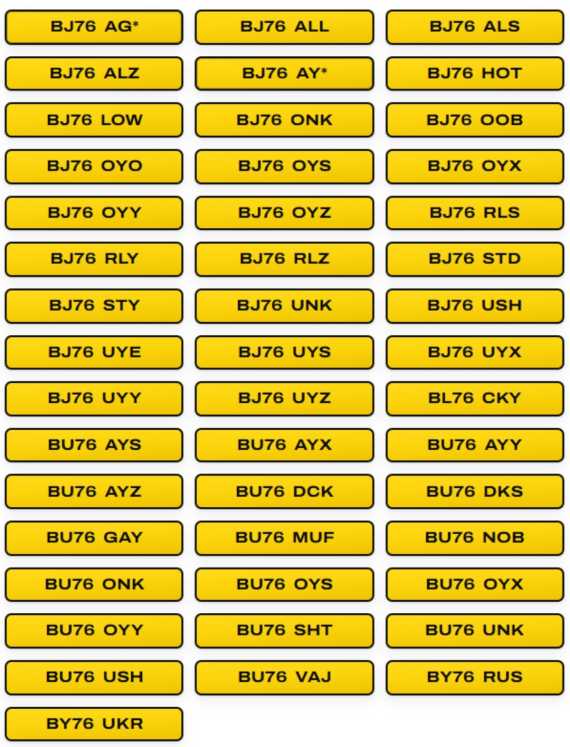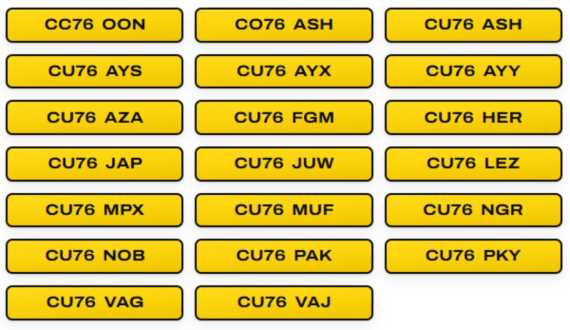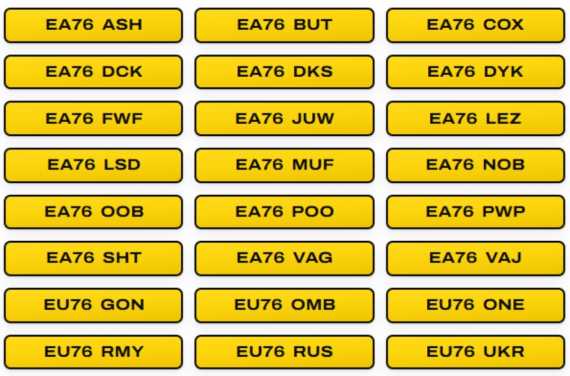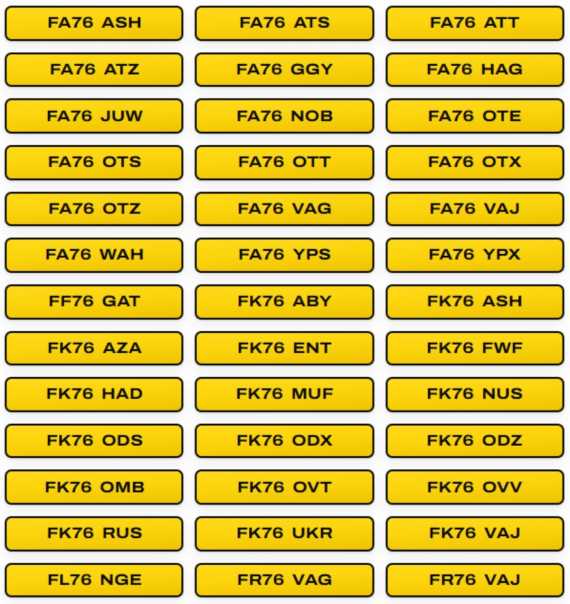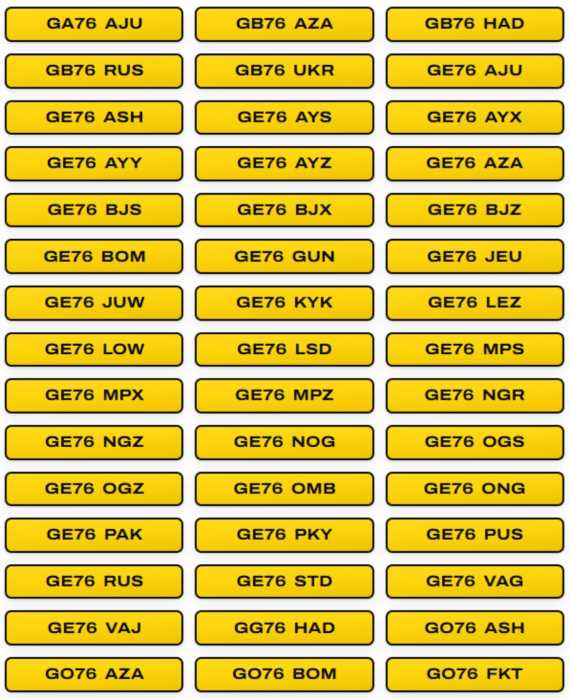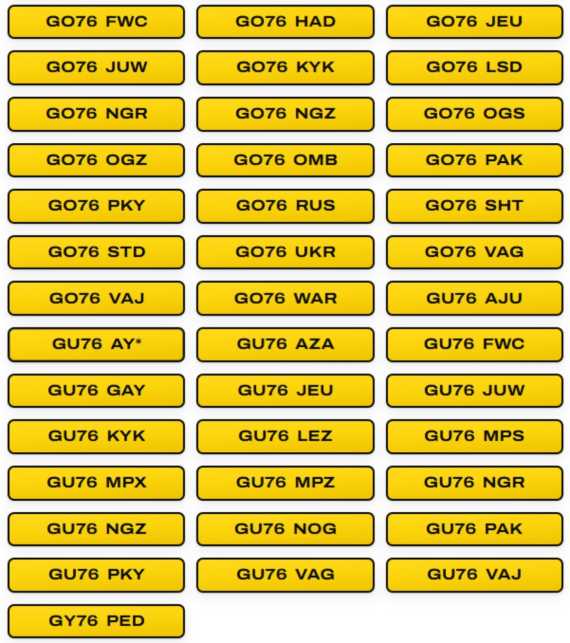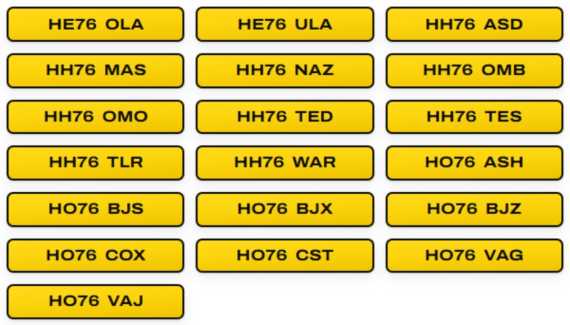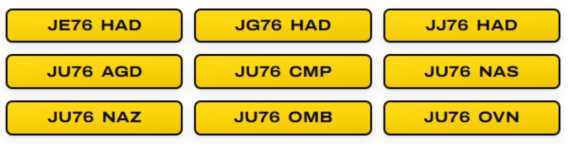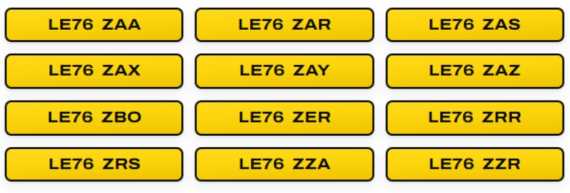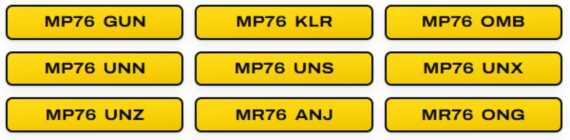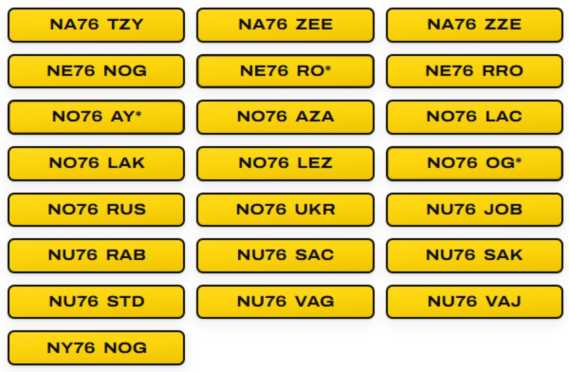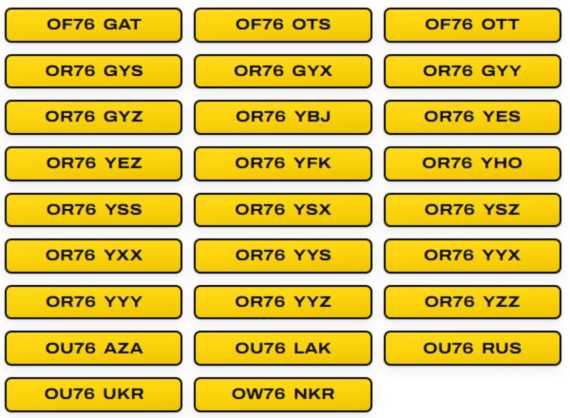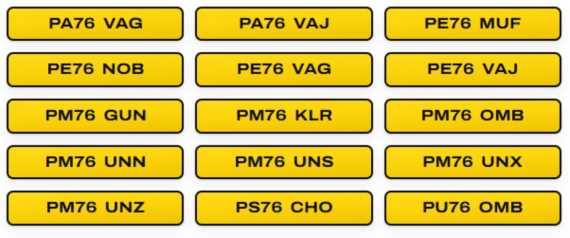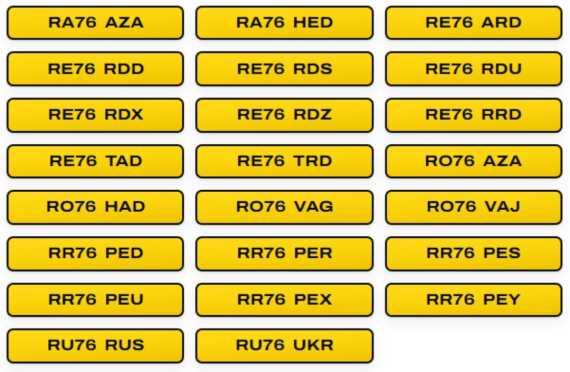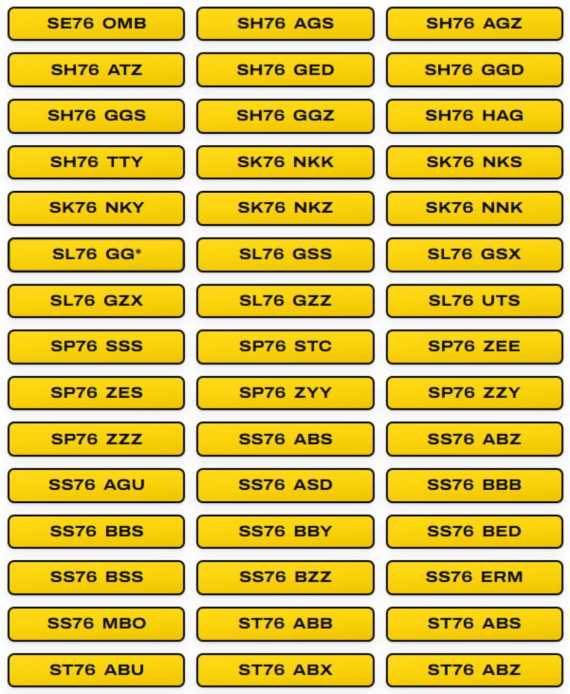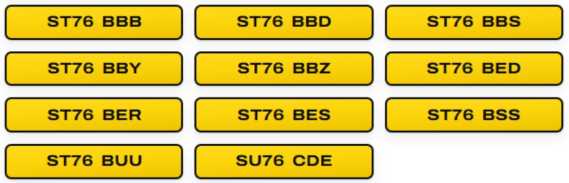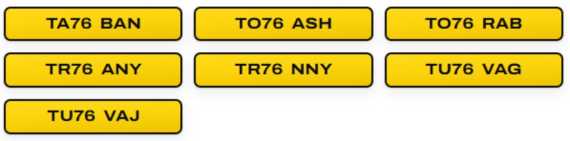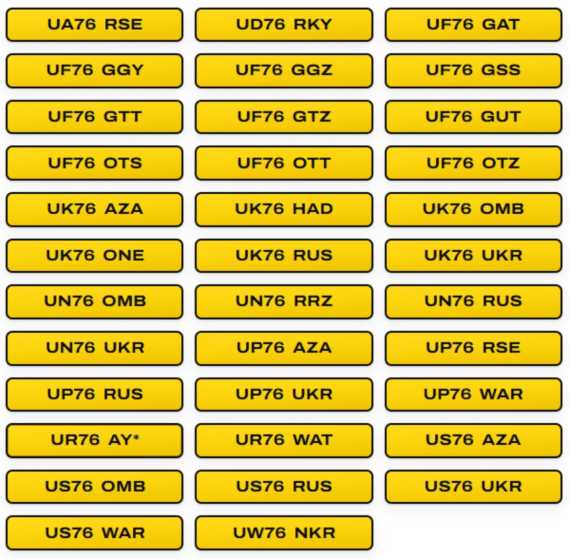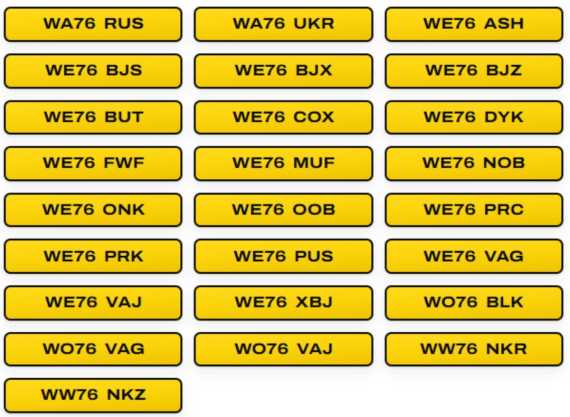
The DVLA has banned more than 500 new ‘76’ number plates before they can appear on Britain’s roads, after identifying combinations that could be considered offensive, embarrassing or controversial.
The new registration age identifier launches today, but hundreds of potential combinations have already been removed from circulation.
Among those rejected are crude combinations such as AS76 FKU and BU76 NOB, as well as registrations that appear to reference guns, bombs, war, violence, race and religion.
The DVLA reviews each new registration batch twice a year. A specialist panel examines thousands of potential combinations before deciding which should be withheld from the public.
The introduction of the ‘76’ registration has created an additional challenge because the numbers can be used to mimic letters. This allows some combinations to form words or phrases that might not otherwise be immediately obvious.
For example, the number 7 can be used to resemble letters such as ‘I’, ‘T’ or ‘A’, while 6 can be interpreted as a ‘B’ or ‘G’ depending on how a plate is viewed.
This creates opportunities for motorists to construct sexual, offensive or politically controversial messages using otherwise legitimate registration characters.
Anyone tempted to alter their number plate to create a word or phrase should be aware that doing so is illegal. Drivers can face fines of up to £1,000, have their vehicle fail its MOT and, in some circumstances, have the registration permanently withdrawn.
We have published the full list of banned ‘76’ registrations released by the DVLA. Scroll to the bottom of the article to see all 523 combinations.
Who decides which number plates are banned?
The DVLA reviews registration combinations twice a year: once in February, ahead of the March registration change, and again in August, before the new September age identifier is introduced.
During these reviews, senior officials and specialists assess new combinations and remove those they believe could cause offence, embarrassment or public concern.
A DVLA spokesman said:
“The vast majority of registration numbers are made available, but DVLA withholds any combinations of numbers and letters where we consider that they may cause offence, embarrassment or are in poor taste.”
Rude or crude combinations are among those routinely identified during the review process.
For the September 2026 release, examples include AS76 FKU and BU76 NOB, both of which have been withheld.
However, the blacklist is not limited to registrations with sexual or humorous interpretations.
Some combinations have been rejected because they appear to refer to sensitive subjects such as firearms, explosives, war and political or racial issues.
Examples include GE76 GUN and GO76 BOM.
Registrations that appear to reference conflicts, including US76 WAR and FK76 UKR, have also been blocked.
Other combinations, such as GG76 HAD, have been withheld because of potentially offensive political or racial associations.
What happens if you use a banned or altered number plate?
Motorists cannot simply bypass the rules by modifying a legal registration to create a prohibited word or phrase.
Police can stop vehicles displaying incorrectly formatted or deliberately altered number plates. In some cases, the registration can be confiscated and the driver can receive a fine.
The rules cover more than just offensive messages.
Number plates must meet strict requirements covering their characters, spacing, font, size, colour and positioning. Drivers are not allowed to manipulate a plate to make its registration appear to spell a particular name or word.
For example, deliberately changing the spacing or positioning of characters, or using bolts to make a letter or number appear different, can result in enforcement action.
Drivers found using incorrectly displayed number plates can be fined up to £1,000, while their vehicle can also fail its MOT.
In serious cases, the DVLA can permanently withdraw the registration.
Siobhan Doyle from Carwow also warns that motorists should consider the potential insurance implications of driving with an illegal or incorrectly displayed plate.
A failed MOT caused by an incorrectly displayed number plate could create additional complications for a vehicle owner, particularly if the defect is not corrected before the car is driven again.
What does the DVLA say about number plate rules?
The DVLA's guidance makes clear that motorists cannot rearrange or misrepresent the characters on a registration plate in order to create names or words that make the registration difficult to read.
This includes using physical alterations, such as fixing bolts in a way that changes the appearance of letters or numbers.
Drivers who use an incorrectly displayed registration can be fined up to £1,000, and their vehicle can fail its MOT.
The DVLA also warns that, in some circumstances, the registration number can be permanently withdrawn.
Anyone who has paid for a registration that is later withdrawn should also be aware that they may not receive their money back.
The rules also prohibit motorists from using a registration number to make their vehicle appear newer than it really is.
While personalised number plates remain popular, the rules mean drivers cannot alter a registration simply to create a particular word, name or message.
With the new ‘76’ plates now being released, the DVLA has once again removed hundreds of combinations it believes could cause offence or controversy before they reach Britain's roads.