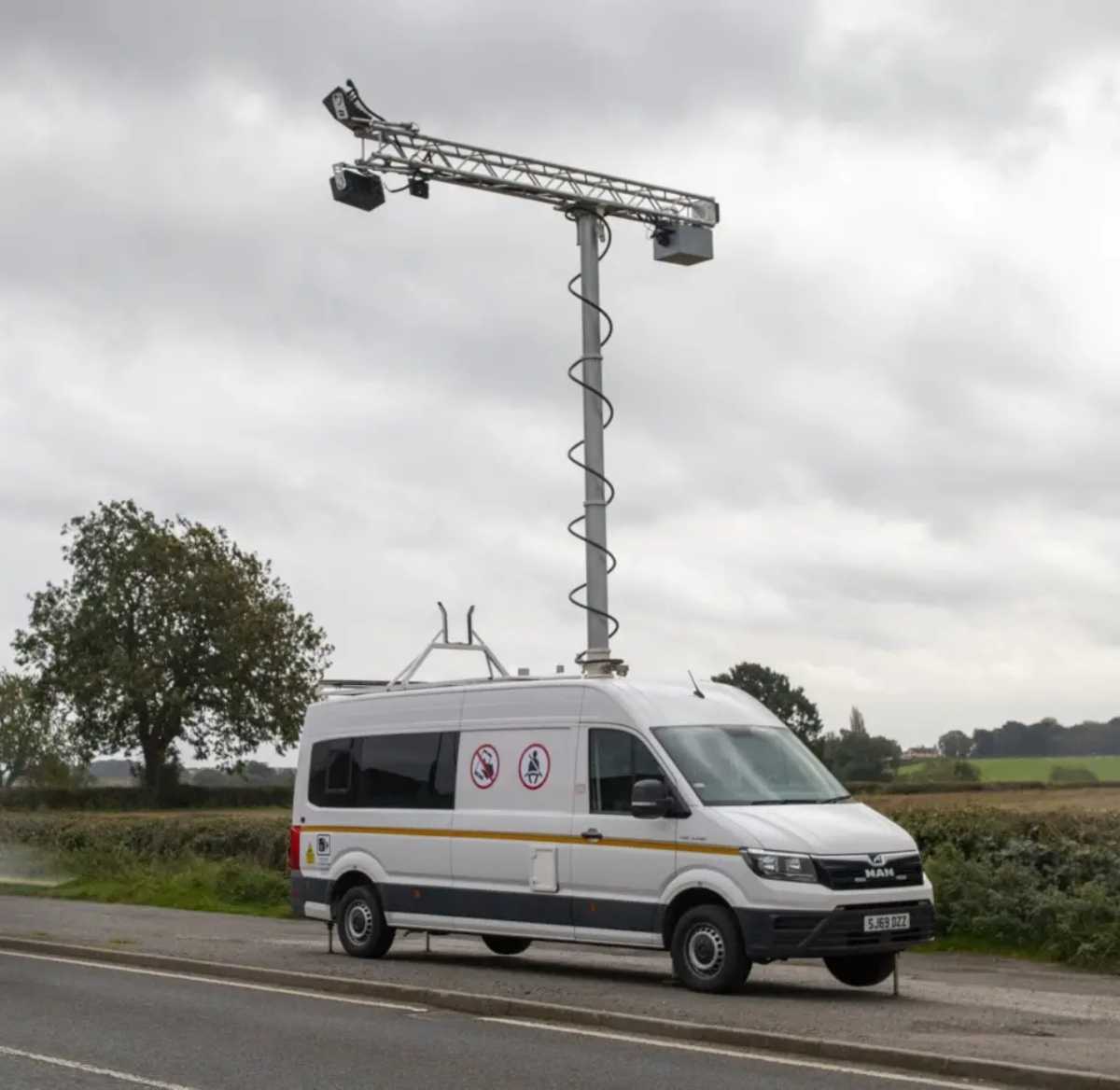
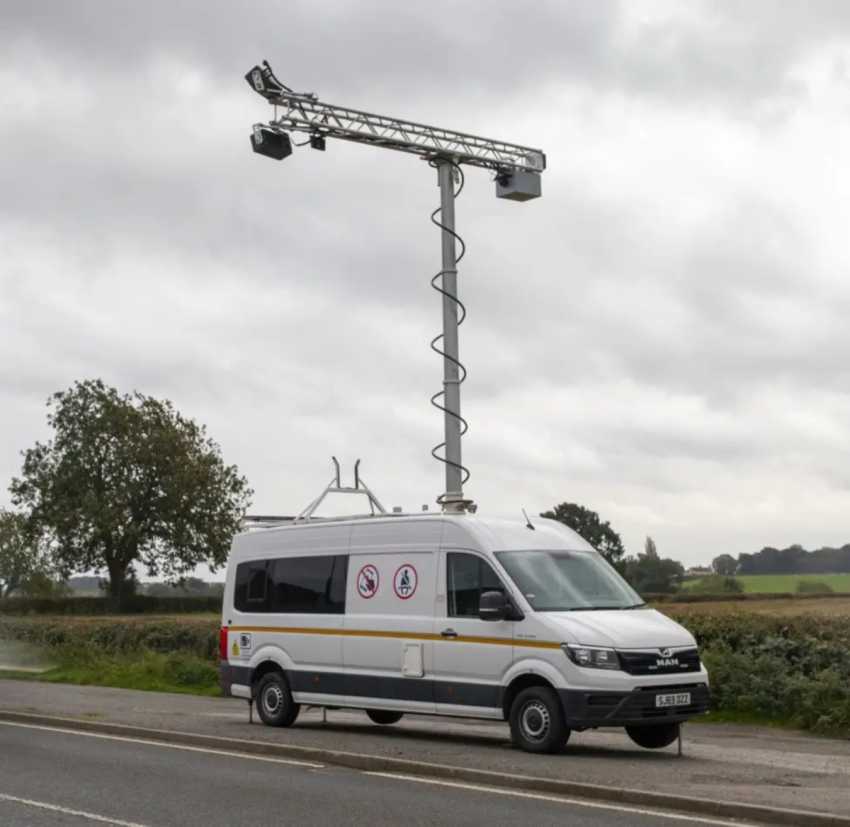
AI-powered cameras have uncovered a startling level of unsafe driving during a two-week trial, with motorists photographed using mobile phones behind the wheel and children travelling without appropriate restraints.
The trial, carried out at two sites in the West Midlands in March, recorded almost 19,000 potential offences. The findings have prompted calls for stronger action against dangerous driving, although no further enforcement is planned as a direct result of the trial.
For drivers across the UK, the results are a reminder that basic road safety rules continue to be ignored, despite the risks to everyone using the road.
AI road safety cameras detect thousands of offences
The cameras were installed outside Ladywood and Fallings Park fire stations as part of a trial funded by the West Midlands Combined Authority, working with local police and fire services.
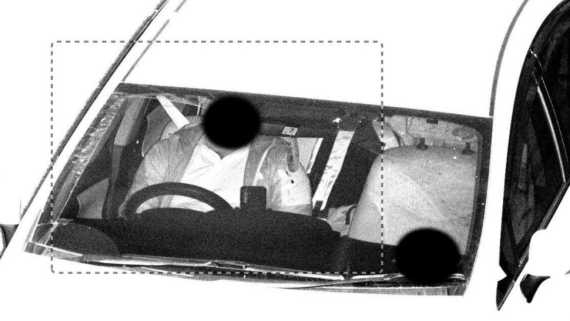
At the Ladywood site, the technology identified 11,045 potential seatbelt offences and 1,163 potential mobile phone offences. At Fallings Park, it recorded a further 6,030 potential seatbelt offences and 757 potential mobile phone offences.
These are potential offences flagged by the technology, rather than a confirmed tally of motorists convicted or fined. The results will be evaluated to help determine whether AI cameras could support future police enforcement.
The images nevertheless revealed some alarming behaviour. One showed a front-seat passenger holding a small child on their lap without a seatbelt, while others highlighted children travelling without suitable restraints. Another image captured a driver apparently holding a mobile phone with both hands instead of keeping them on the steering wheel.
Why seatbelts and mobile phones matter
Failing to wear a seatbelt can dramatically increase the risk of serious injury or death in a collision. Children also need restraints suitable for their size and age, as an adult seatbelt alone may not provide adequate protection.
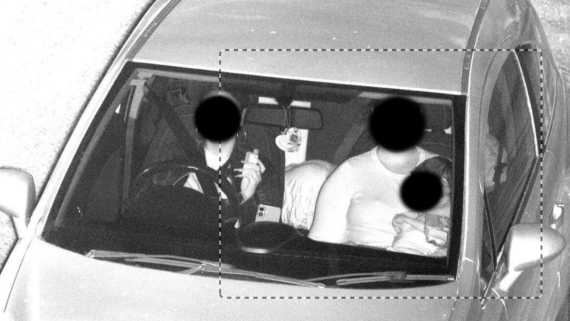
Using a handheld mobile phone while driving creates another serious hazard. Even a brief distraction can mean missing a developing danger, while taking both hands off the steering wheel makes it harder to respond safely.
The West Midlands Combined Authority cited road safety data for 2025 linking mobile phone use to 32 deaths and unfastened seatbelts to 133 deaths on UK roads. These figures underline why enforcement remains an important part of efforts to reduce casualties.
Drivers should remember that handheld mobile phone use while driving is generally illegal in the UK, including when stopped in traffic. The rules also apply when a vehicle is stationary at traffic lights, unless a specific legal exception applies.
Could AI cameras be used across the UK?
The trial's findings will help local authorities and police assess whether the technology could play a wider role in identifying dangerous driving. AI cameras can flag potential offences for review, allowing enforcement teams to focus on behaviour that might otherwise go unnoticed.
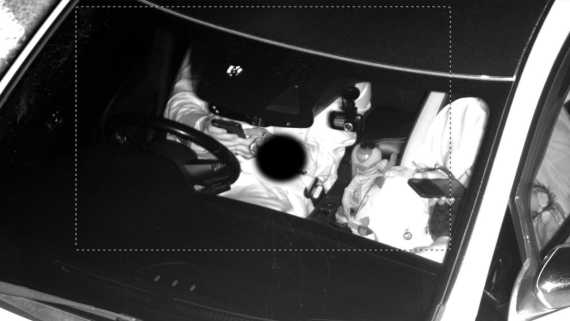
However, a detection is not automatically proof of an offence. Images and other evidence need to be assessed appropriately, and any future enforcement scheme would need to account for accuracy, privacy and the proper handling of personal data.
West Midlands Mayor Richard Parker described the findings as “frankly shocking”, saying the number of people putting themselves and others at risk was much higher than expected.
Simon Foster, the region's police and crime commissioner, said the findings were being assessed to establish how the technology might be used for future police enforcement. No follow-up enforcement is planned as part of this particular trial.
The results do not establish how many offences would be found in every part of the country, but they offer a clear reason for other road safety partnerships to examine what the technology could achieve.
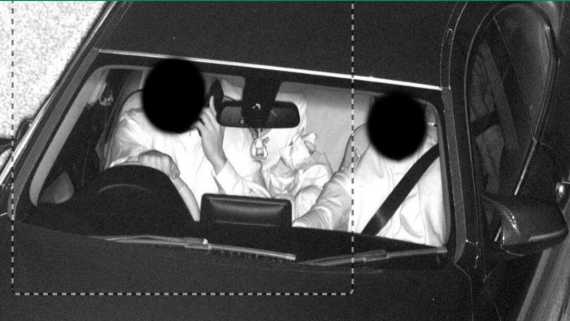
What drivers should take away from the trial
For motorists, the message is straightforward. Wear your seatbelt, make sure children are properly restrained and keep your mobile phone out of your hands while driving.
AI cameras could eventually make it harder for dangerous behaviour to go unnoticed, but technology alone cannot prevent every collision. Drivers still need to make safe decisions every time they get behind the wheel.
My view is that using AI to identify potentially dangerous driving is worth pursuing, provided the evidence is checked properly and privacy is protected. Almost 19,000 potential offences in two weeks is a sobering result. The real test will be whether future use of the technology helps reduce deaths and serious injuries on roads across the UK.