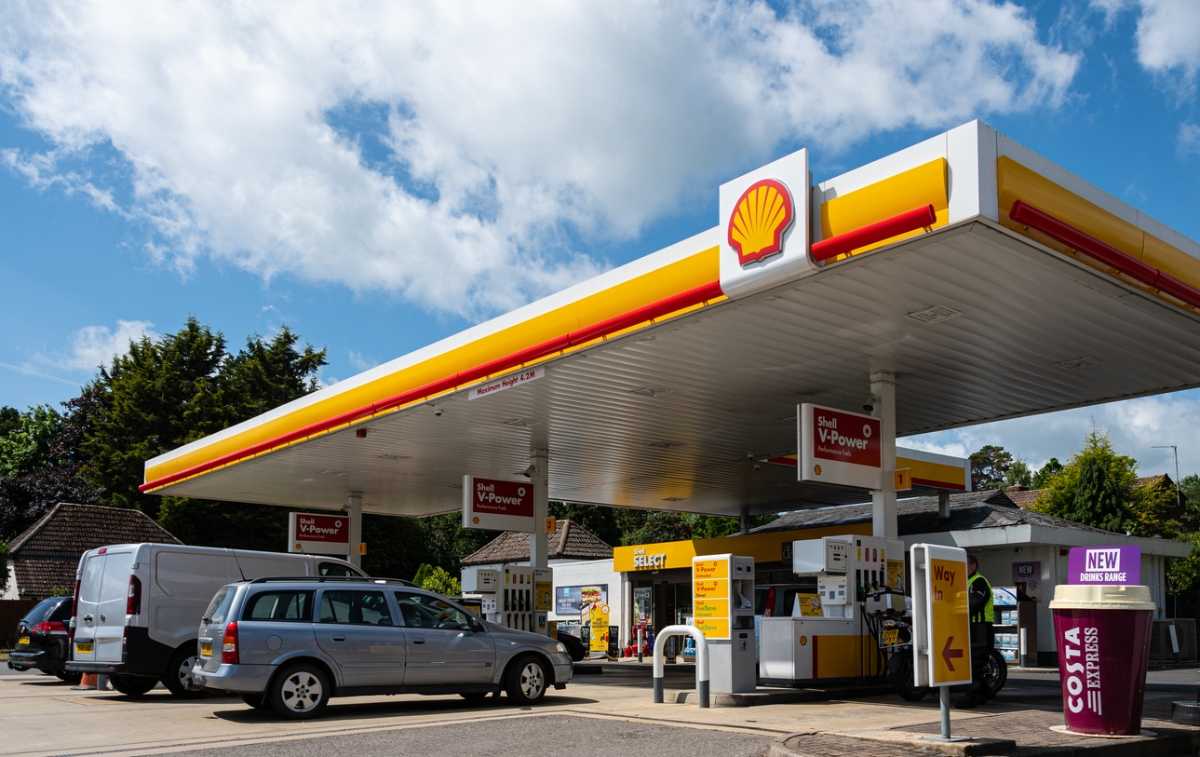
If there was ever a time to ask whether Britain should be producing more of its own oil, surely it's now. The average price of diesel has reached a record 199.18p a litre, according to RAC figures, taking it within touching distance of the £2 mark, while petrol has also climbed sharply to 174.13p a litre.
For drivers, that is a painful number to see when filling up, particularly when household budgets are already under pressure. It also affects businesses running vans and lorries, with higher transport costs potentially feeding through into the price of goods and services.
So, with fuel prices this high, should Britain be looking more seriously at drilling for its own oil?
I think there is a stronger argument for asking that question now, although whether it would actually make fuel cheaper is a much harder question to answer.
Would British oil make petrol cheaper?
It is easy to see why drivers might think more UK oil should mean cheaper petrol and diesel. If we produce more of something we need, surely we should have to pay less for it?
Unfortunately, the international oil market doesn't work quite that way. Crude oil is traded globally, meaning British production is still affected by international prices. The Government has also acknowledged that increasing domestic oil and gas production does not necessarily mean lower prices for consumers.
That means extra North Sea production would not suddenly knock 20p off a litre at British forecourts. If global oil prices rise, UK motorists would still feel the effect, regardless of where some of that crude was produced.
There is another complication because Britain does not simply turn all of its own crude oil into fuel for British drivers. Nearly 90% of UK crude oil production was exported in 2024, while the country continued to import crude and refined petroleum products.
Does £2 diesel change the argument?
There is a strong argument for looking beyond the price displayed on the forecourt when considering the impact of high diesel prices.
When diesel gets close to £2 a litre, Britain becomes more exposed to changes in the international energy market, affecting far more than the cost of filling a family car. Haulage companies, delivery firms and other businesses that rely heavily on diesel can face higher running costs, which can eventually feed through into the prices consumers pay.
The current price rise has been linked to disruption to global oil supplies and shipping, highlighting how quickly events outside Britain can affect motorists here.
That creates a reasonable case for maintaining a strong domestic oil industry while Britain continues to rely on oil. Producing some of the country’s own supply cannot shield motorists completely from global prices, but it could provide an additional layer of resilience while the North Sea continues to produce oil.
The case for drilling more
There are several reasons why more UK drilling could make sense. Energy security is the obvious one, because Britain still relies heavily on oil and producing some of it domestically means we are not entirely dependent on overseas supplies.
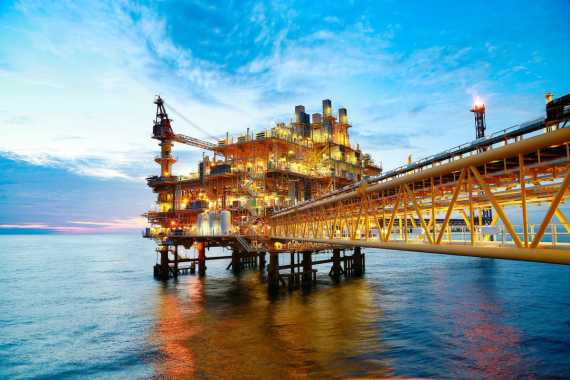
There is also the economic argument. The North Sea supports thousands of jobs and a much wider network of engineering, manufacturing, logistics and specialist businesses, while oil and gas production also contributes tax revenue to the Exchequer.
Supporters of further drilling can therefore make a straightforward argument. If Britain is going to continue using oil for years to come, why shouldn't we make sensible use of the resources we have and keep more of the associated economic activity here?
The case against drilling more
The biggest problem is that the North Sea is a mature basin and production has already been falling for years. UK primary oil production reached 31.4 million tonnes in 2025, but that was still 41% below 2019 levels.
That makes it difficult to argue that Britain can build its long-term energy security around North Sea oil. Even with further investment, production will eventually decline as the remaining resources become harder to extract.
There is also the climate argument. Britain has legally binding emissions targets, and oil produces carbon emissions when it is ultimately used. Producing the fuel here does not remove those emissions, so any expansion of drilling has to be considered alongside the country's plans to reduce fossil-fuel use.
Would it save drivers money in the long run?
Britain should make sensible use of the oil resources and infrastructure it already has while the country remains dependent on oil, particularly where that can help protect jobs, skills and energy resilience. What should be avoided is presenting new drilling to motorists as a guaranteed way of bringing down petrol and diesel prices.
The current £2-a-litre diesel situation shows why. Britain could produce more oil and still be exposed to a global oil-price shock, because the price of crude is shaped by an international market far bigger than the UK.
The longer-term answer has to be reducing that exposure, whether through more domestic energy production, greater efficiency, alternative fuels or a gradual move away from oil.
So should Britain start drilling more?
There is a strong case for energy security, protecting jobs and keeping valuable industrial expertise in Britain, particularly while drivers face record diesel prices and households continue to feel the squeeze.
At the same time, the North Sea is a declining resource and Britain cannot rely on it indefinitely. Any further drilling would therefore need to form part of a wider transition strategy, alongside investment in alternatives that can reduce the country’s exposure to international oil prices over time.
The sensible approach is to make use of the resources Britain still has where there is a clear economic case, while continuing to invest in alternatives that can strengthen long-term energy security.
With diesel now sitting so close to £2 a litre, I think the debate is worth having.