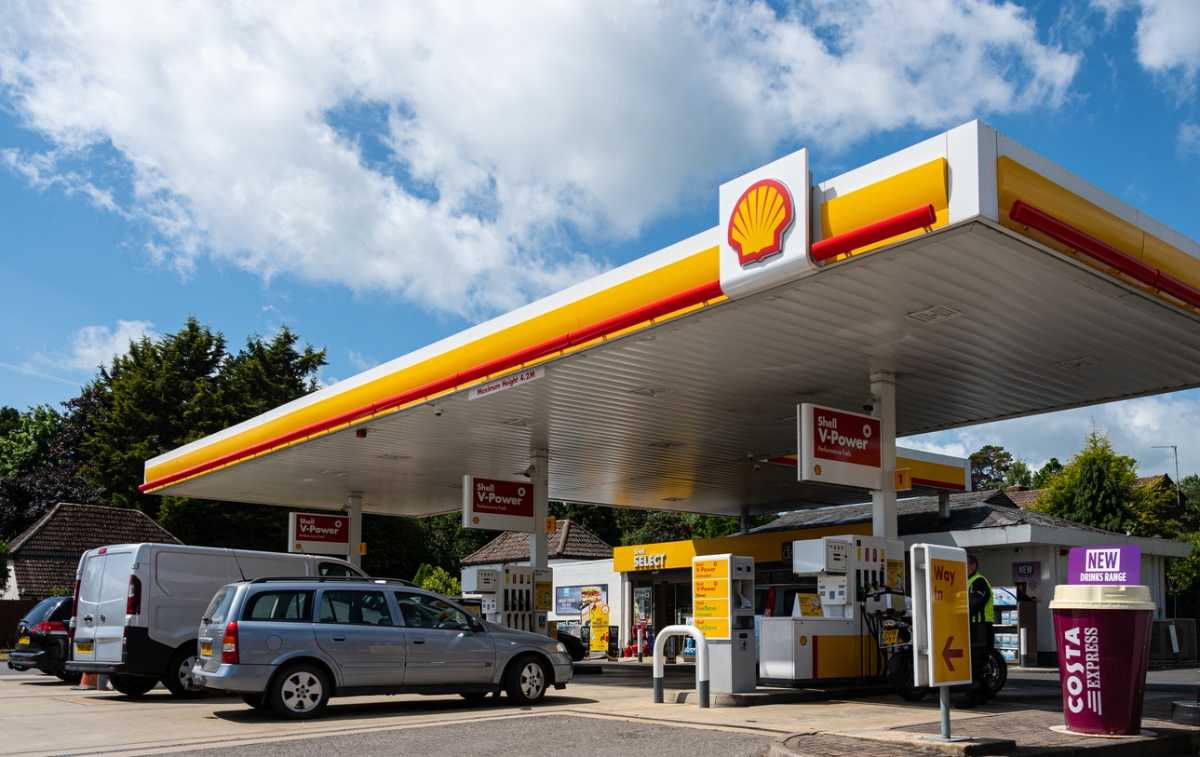
Hundreds of UK forecourts are now charging around £2 a litre for diesel as rising pump prices put fresh pressure on household budgets and businesses.
Analysis of thousands of forecourt prices found 236 sites selling diesel above £2 a litre, while another 633 were charging 199.9p. Together, that puts 869 forecourts at around the £2 mark or above.
The figures come as average petrol and diesel prices have climbed sharply, with diesel reaching 193.85p a litre and petrol hitting 171.27p in the latest figures supplied.
For a typical 55-litre family car, that means filling the tank costs roughly £94 with petrol or £107 with diesel. Before the latest rise in fuel prices, the same fills would have cost around £73 and £78 respectively.
Diesel is now only a few pence below the previous record average of 199.05p a litre, recorded in June 2022.
Why are petrol and diesel prices rising?
The latest increase has been linked to disruption to global oil supplies following the conflict involving Iran and the resulting impact on shipping through the Strait of Hormuz.
Fuel prices are also feeding into the wider inflation picture. The supplied figures show UK inflation rising from 2.9 per cent to 3.1 per cent, with higher fuel costs among the factors putting upward pressure on the headline rate.
For drivers, the £2-a-litre threshold is particularly significant because it has become a familiar psychological marker during previous periods of high fuel prices.
There is also a wider effect. Diesel is heavily used by the haulage industry, so higher transport costs can eventually feed through into the prices paid for goods.
Fuel Duty faces fresh pressure
The increase in pump prices is likely to add pressure to the Government over planned Fuel Duty changes.
Under the plans outlined in the supplied material, Fuel Duty is due to rise by 3p a litre on January 1, followed by another 2p increase on March 1.
The timing would be significant for motorists if pump prices remain elevated. Any increase in Fuel Duty would be added to a market already facing higher wholesale costs.
The Treasury has said tax decisions will be announced at fiscal events and has declined to comment routinely on speculation or individual proposals.
Haulage firms are feeling the impact
The effect of higher diesel prices extends well beyond the forecourt.
Shaun Leonard of Turners said the company's weekly fuel bill had risen from around £1.9 million before the conflict to approximately £2.9 million.
Turners operates a large national haulage fleet, and Leonard said higher fuel costs would ultimately have to be reflected in what customers pay.
That matters because road transport sits behind a huge range of everyday purchases. When running costs rise for haulage operators, businesses can face higher costs moving food, materials and finished goods around the UK.
The supplied figures also estimate that motorists have spent an additional £7.5 billion at the pumps as a result of the latest rise in fuel costs, while higher prices have generated additional VAT revenue for the Treasury.
What could happen to fuel prices next?
The direction of fuel prices will depend heavily on what happens to global oil supplies and shipping conditions.
If disruption continues, UK drivers could face further increases. If wholesale prices ease, forecourt prices should eventually follow, although changes at the pump do not always happen immediately.
For now, the important point for motorists is that the national average remains well below £2 a litre for both fuels, but hundreds of individual forecourts have already reached or passed that level.
What does this mean for UK drivers?
If you're filling a 55-litre tank, the difference between 171.27p and £2 a litre for petrol is around £15.25 per fill.
For diesel, the gap between 193.85p and £2 is much smaller, at roughly £3.38 for the same tank.
That makes diesel drivers particularly exposed if the average price moves towards the previous record. Businesses that run vans, cars or heavy goods vehicles also face much larger bills because of the amount of fuel they use.
Regit's verdict
Fuel at £2 a litre would be a painful milestone for drivers, but the bigger issue is what sustained high prices do to household budgets and the cost of moving goods around the country.
With diesel already close to its previous record and petrol continuing to rise, motorists will be watching both global oil markets and the Government's next decisions on Fuel Duty closely.