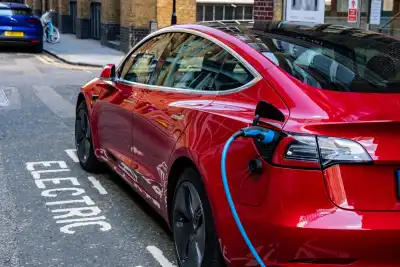
Demand for electric cars is falling, with more buyers turning back to petrol and diesel vehicles, according to a new industry report.
The latest Ernst & Young (EY) Mobility Consumer Index shows a drop in interest in electric vehicles (EVs), while demand for traditional internal combustion engine (ICE) cars has increased.
This shift will concern the Government, particularly as the survey was carried out before reports emerged that Chancellor Rachel Reeves plans to introduce a pay-per-mile tax on EVs. Motor industry figures have warned that such a move could seriously damage EV sales.
The poll questioned 1,032 UK drivers who plan to buy a new car within the next two years. It found that 41% would prefer a petrol or diesel model, up from 36% in 2024, and more than double the number planning to buy a fully electric car (19%).
EY said that if EV uptake continues to fall short of Government targets, more incentives will be needed to encourage buyers.
This marks a reversal from last year’s findings, when 59% of buyers said they were looking at cleaner vehicles. That figure has now dropped to around 50%.
Cost remains the biggest barrier
The survey, carried out between September and October 2025, found that high upfront costs remain the biggest reason drivers avoid electrified vehicles, including EVs, plug-in hybrids (PHEVs) and self-charging hybrids.
- 41% said price was the main deterrent
- 36% cited limited driving range
- 30% were concerned about battery replacement costs
Other issues included:
- Lack of charging points (47%)
- Long charging times (45%)
- High public charging costs (40%)
Ministers argue that extending the Electric Car Grant (ECG) - offering up to £3,750 off EVs priced under £37,000 - should help make electric cars more affordable.
However, the pay-per-mile electric Vehicle Excise Duty (eVED) announced in last month’s Budget is expected to hit demand hard.
The Office for Budget Responsibility (OBR) estimates the 3p-per-mile tax from 2028 could result in 440,000 fewer EV registrations by 2030. While the Treasury believes the shortfall will be closer to 120,000, industry leaders have described the policy as a major blow.
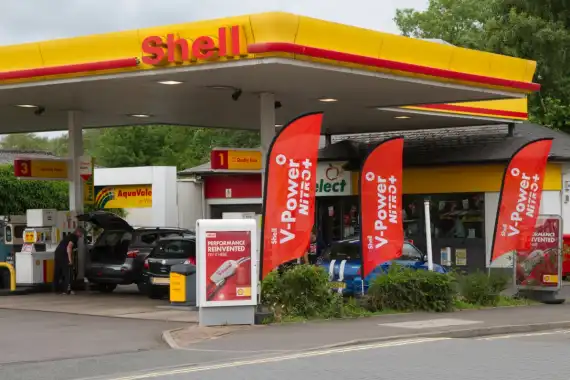
Ford said the tax “sends a confusing message” at a critical moment for the EV transition. Polestar’s managing director, Matt Galvin, warned it penalises drivers who are helping to cut emissions and suggested fuel duty reform would be a fairer approach.
The Society of Motor Manufacturers and Traders (SMMT) said the tax would reduce demand for vehicles manufacturers are required to sell and could damage the UK’s appeal to investors. Chief executive Mike Hawes called it “the wrong measure at the wrong time”.
Figures released by the SMMT show EV sales slowed in November, with electric cars accounting for 26.4% of new registrations - only slightly higher than November 2024. For the year so far, EVs make up 22.7% of sales, well below the Government’s 28% target under the Zero Emission Vehicle mandate.
Hybrids also lose appeal
Interest in hybrid vehicles is also falling. Just 19% of buyers said they would choose a hybrid, down from 27% last year, while demand for plug-in hybrids remained at around 10%.
PHEVs are also set to be hit by the new tax rules. From 2028, owners will face both fuel duty and a 1.5p-per-mile eVED charge, leading many drivers to say they plan to switch back to petrol or diesel cars before the tax comes in.
Buying confidence falls
EY also found that rising living costs, unclear Government policy and uncertainty over whether the 2030 ban on new petrol and diesel cars will go ahead have reduced buying confidence.
Just 49% of respondents said they are likely to buy a car in the next two years, down from 56% last year.
Maria Bengtsson, EY’s UK and Ireland mobility leader, said the return to petrol and diesel preferences was “surprising” but not yet a major cause for concern. However, she warned that the new mileage-based EV tax could slow progress unless further incentives are introduced.
For buyers still considering an EV, environmental concerns remain the biggest motivator (39%), followed by rising fuel prices (28%) and tougher penalties on petrol and diesel cars (29%).
Encouragingly, 84% of current EV owners said they would buy another electric car, a figure similar to last year.
Limited interest in Chinese brands and dealerships
The study also found low interest in Chinese car brands. 88% of respondents listed a European-made car among their top three choices, while just 7% included a Chinese model.
Traditional car dealerships are also losing appeal. Only 36% said they prefer to buy from a physical showroom, down from 53% in 2024. Meanwhile, 35% said they would buy a car online, continuing a gradual shift toward digital sales.