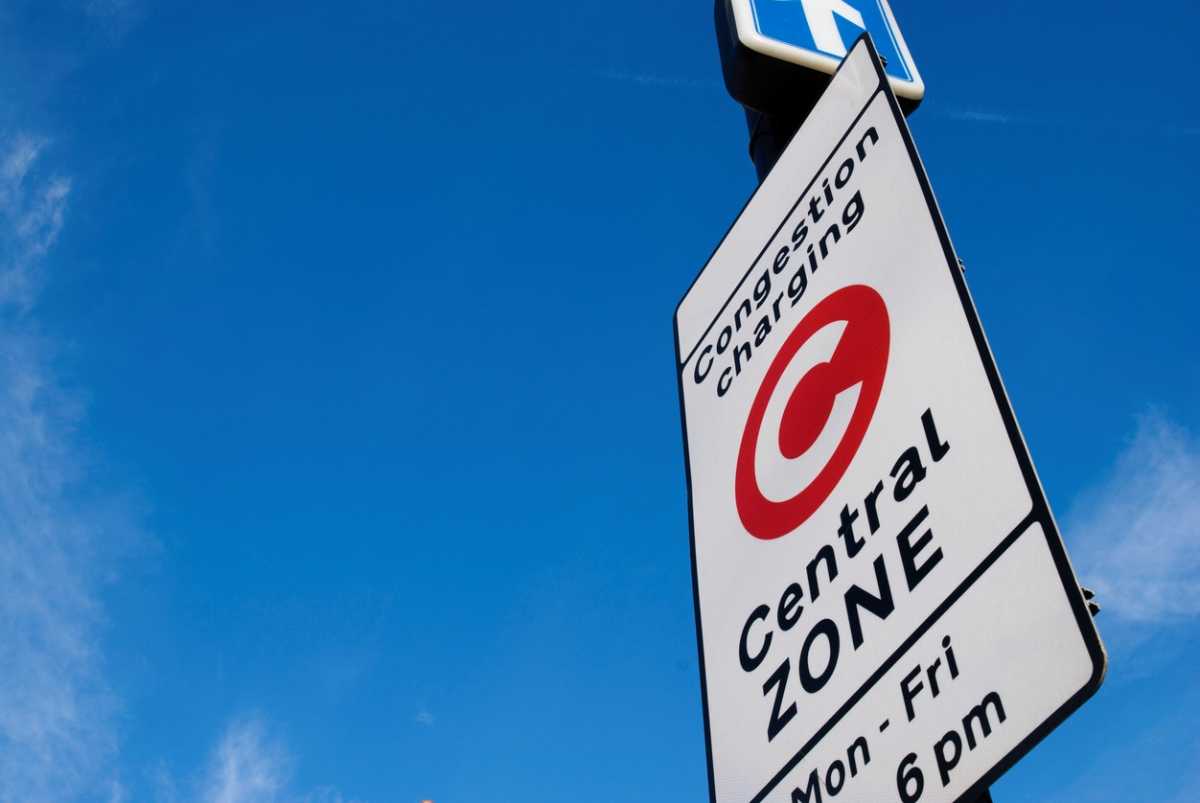
Sadiq Khan is increasing London’s Congestion Charge by 20% from January, and electric vehicle owners will no longer be exempt for the first time since the scheme began 23 years ago.
From 2 January 2026, drivers entering Central London will pay £18 a day, up from £15. It’s the first increase since 2020.
For anyone driving an older petrol or diesel car, the total daily bill - once you add the £12.50 ULEZ charge - will hit £30.50. Someone commuting into the zone for a full working year (around 253 days) will pay £759 more in 2026 than they did in 2025.
TfL is also removing the long-standing 100% Cleaner Vehicle Discount for electric cars. It will be replaced with a new tiered system, meaning EV owners will have to contribute for the first time.
This change lands just a week after reports that the Chancellor is considering a new 3p-per-mile tax for electric cars, expected to be announced in the Autumn Budget.
Khan says the system needs updating to stay “fit for purpose” as the number of EVs grows. But motoring groups have attacked the move, calling it a backwards step that could slow down the shift to electric vehicles.
What EV owners will pay
From January:
- Electric cars: £13.50 per day (a 25% discount), but only for drivers signed up to Auto Pay
- Electric vans, HGVs and quadricycles: £9 per day (50% discount)
From 2030, discounts fall again to:
- 12.5% for electric cars
- 25% for electric vans, HGVs and quadricycles
Changes for residents
The congestion zone covers Mayfair to Tower Bridge east to west, and Euston Road to Vauxhall north to south. Currently, around 136,000 people live inside it.
- Existing residents who already have the 90% discount will keep it until 2027, regardless of vehicle type.
- Anyone moving into the zone after 1 March 2027 will only get the 90% discount if they own an EV.
- Low-income and disabled residents can apply for the discount until 2030, regardless of vehicle type.
- Discounts for petrol and diesel cars will be removed for new residents.
TfL will also introduce a 100% discount for electric car-club vehicles, as long as the car is returned to the same marked bay within the zone.

Auto Express estimates the higher charge and new EV fees will generate £80–£91 million extra each year for TfL, adding up to £415–£455 million over five years.
Industry backlash
Motoring groups say the move sends “confusing signals” about the shift to cleaner vehicles.
AA president Edmund King called it “a backward step”, warning it could harm London’s air quality by discouraging people from switching to electric.
FairFuelUK founder Howard Cox accused the Mayor of using motorists to plug financial gaps, calling the charge hike “cash grabbing”. Others said it could hurt tourism, small businesses, and push drivers away from the capital.
In an Auto Express poll of more than 1,000 drivers:
- 80% said the rise to £18 is unfair
- 85% feel motorists are being targeted by government policies
- Drivers were split on EV charges: 38% say EVs should pay, 33% say they shouldn’t
TfL argues the changes are needed. It says EVs will make up nearly 20% of vehicles in the zone by the end of this year. Without the update, they estimate more than 2,000 extra vehicles could enter the zone each weekday, causing more congestion.
More costs coming for EV owners
The Government is also preparing to introduce road pricing for electric cars from 2028. Under current plans:
- EV drivers will pay 3p per mile
- They will also continue paying £195 a year in VED
- A typical EV driver covering 10,000 miles a year would pay £495 total annual tax
Hybrid drivers will also face per-mile charges, but at a lower rate. These changes are expected to raise £1.8 billion a year by 2031.