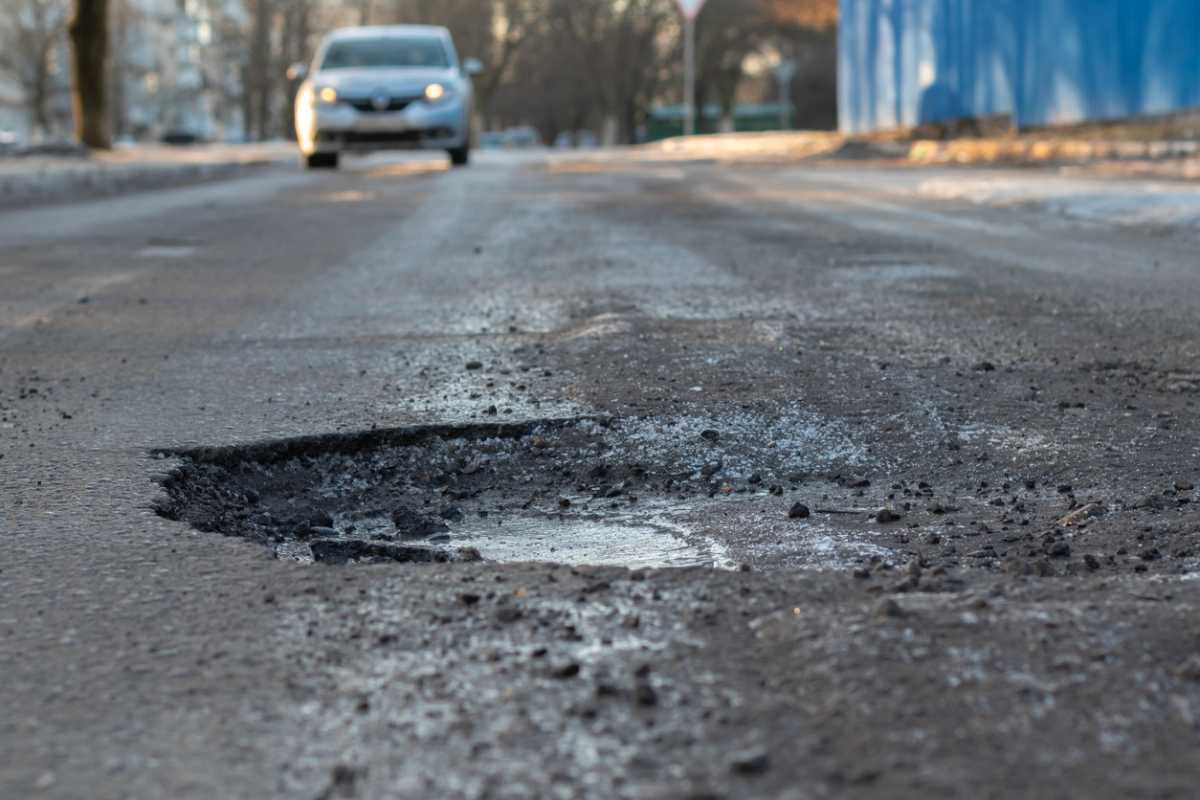
A new report has called the UK’s local road network a “national embarrassment,” revealing that the Government doesn’t know where road improvement funds are going or how they’re being used.
The investigation, led by the House of Commons’ Public Accounts Committee (PAC), found that the Department for Transport (DfT) “[isn’t] taking its responsibilities and use of public money on local roads sufficiently seriously.” Despite experts estimating that it would now cost over £16 billion to repair the country’s roads—a figure that’s doubled in just five years—the DfT still considers the network to be in “stable” condition.
The problem? The PAC says the DfT has little control over how local authorities spend repair funds, as the money isn’t earmarked for specific purposes. Worse, the department doesn’t factor in crucial issues like traffic levels or flood risks when deciding where funds should go.
Even though the Government spends over £1 billion a year on road repairs, the PAC slammed its short-sighted focus on patching up problems rather than preventing them in the first place. PAC Chairman and Conservative MP Sir Geoffrey Clifton-Brown didn’t hold back, calling the situation a “national embarrassment,” while admitting that the UK’s roads have been under his party’s watch for nearly 20 years.
Clifton-Brown added, “Alarmingly, however, not only is the state of our local roads on the downslope, our inquiry shows government[s] are having to find out about these issues from industry bodies and road users themselves due to their own patchy data.”
“This Committee has long raised concerns around a failure across government departments to effectively fund and plan for the future, a theme that is certainly on show here, along with an overly tangled web of accountability.”
To fix the problem, the PAC has made several recommendations:
- Simplify funding for local councils and provide consistent, long-term budgets.
- Allocate spending based on traffic volume and environmental factors, such as flood risks.
- Update outdated guidance on monitoring and maintaining roads (last revised in 2011).
The committee also urged the Government to consider allowing local councils to use surplus funds from the Community Infrastructure Levy for road repairs.
David Giles, Chairman of the Asphalt Industry Association, backed the PAC’s recommendations, emphasising the need for a “multi-year, ringfenced investment commitment” to let engineers plan long-term solutions.
The AA’s president, Edmund King, supported the findings but pointed out a missing piece: it's "overlook[ing] the important role of private contractors who sit in a position of almost total control over nearly 60% of the local roads. Road users pay billions in motoring taxes and deserve far better road infrastructure.”
With rising concerns over safety and future challenges like heavier electric HGVs and self-driving cars, the PAC has made it clear: the UK’s roads need urgent attention.