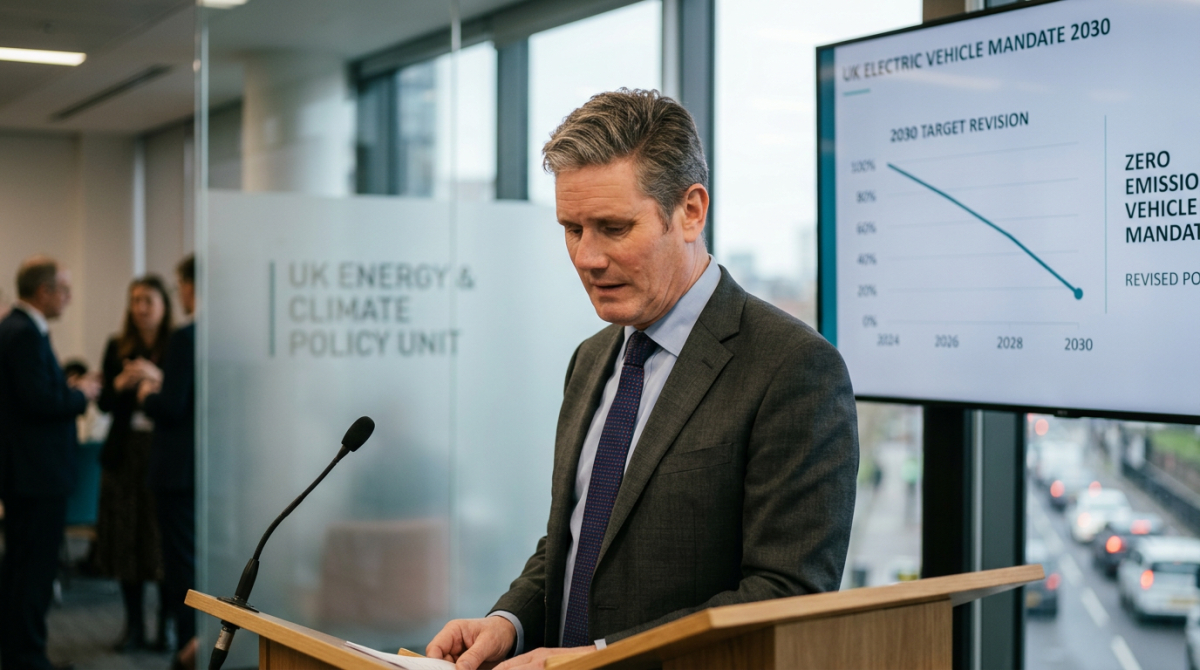
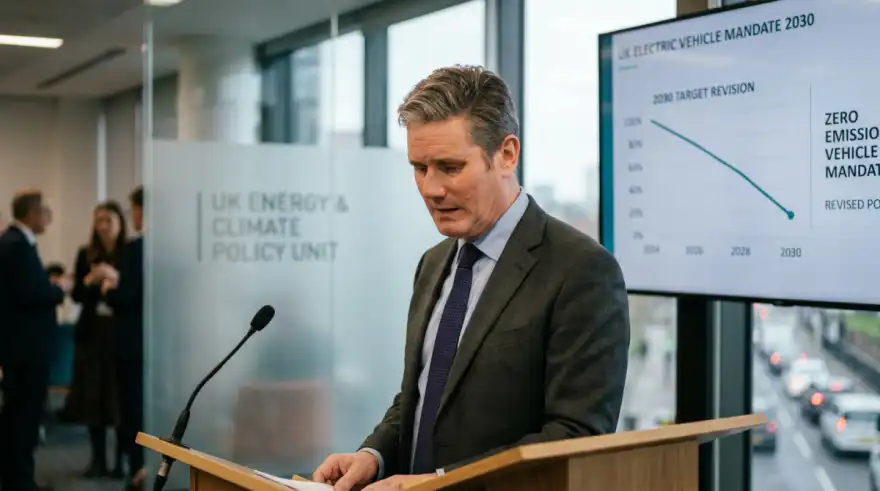
TL;DR: The UK government is reportedly planning to cut its 2030 electric vehicle (EV) sales target from 80% to 50%, a significant shift attributed to a £28 billion defence spending gap and aims to protect UK automotive jobs. This move offers a reprieve for car manufacturers and petrol car owners, signalling a more pragmatic approach to the Net Zero agenda.
Key Facts:
1. The 2030 electric vehicle sales target is reportedly being cut from 80% to 50%.
2. A £28 billion deficit in defence spending is a key driver behind the policy change.
3. Ed Miliband's Net Zero budget faces a potential £600 million reduction.
4. Car manufacturers currently target 33% EV sales by the end of 2024.
5. The 2030 ban on new petrol car sales technically remains in place.
Government Plans Major EV Target U-Turn
Recently, the UK government has signalled a major U-turn on its ambitious electric vehicle (EV) targets, with reports indicating a significant reduction in the 2030 sales mandate. Prime Minister Keir Starmer's administration is reportedly set to slash the target for new EV sales from 80% down to a more achievable 50%. This pivotal decision, if confirmed, marks a substantial recalibration of the UK's Net Zero strategy, directly impacting drivers, manufacturers, and the broader economy.
This reported policy shift stems from pressing financial concerns within the Treasury, specifically a substantial £28 billion shortfall in defence spending. To address this deficit, the government appears to be re-evaluating budget allocations, with Ed Miliband's Net Zero initiatives reportedly under scrutiny. The Starmer EV target cuts suggest a prioritisation of national security and safeguarding UK manufacturing jobs over the original aggressive environmental timelines.
What It Means for Drivers and Car Makers
For UK drivers, this potential change offers a degree of relief. Many have expressed concerns about the readiness of the national charging infrastructure and the financial implications of being compelled to switch to an EV. A more gradual transition could help stabilise the used car market and potentially extend the lifespan of petrol car sales, ensuring current vehicle owners have more time to adapt without undue pressure. This could mean more stable petrol car prices for longer, which is good news for many households.
Car manufacturers are likely to welcome this news. The current Zero Emission Vehicle (ZEV) mandate requires them to achieve 33% EV sales by the end of 2024. Many manufacturers have struggled to meet this demanding target, resorting to heavy discounting to avoid substantial government fines. Relaxing the 2030 target provides much-needed breathing room, allowing the industry a more sustainable pace for transition and protecting thousands of jobs across the UK automotive sector.
Politics, Jobs and the Future of Net Zero
Internally, this policy pivot underscores a clear power dynamic within the Cabinet. Reports indicate that Sir Keir Starmer is prepared to overrule Energy Secretary Ed Miliband, who has been a vocal advocate for maintaining the existing Net Zero budget. Miliband's department faces a potential £600 million reduction, highlighting the Prime Minister's firm stance on prioritising defence funding, especially following the controversy surrounding John Healey’s resignation over military funding shortages.
Trade unions across the UK are framing these Starmer EV target cuts as a victory for British workers. Sharon Graham, General Secretary of Unite, has previously criticised the original targets as "industrial self-harm." From the perspective of union leaders, a rapid, unmanaged transition to EVs risks dismantling the UK's traditional manufacturing base before a new one can be fully established. This more pragmatic approach is seen as a way to protect thousands of skilled jobs, particularly in key manufacturing regions like the Midlands.
The government is now expected to enter a consultation period to formalise these changes. This process will include input from devolved administrations in Scotland and Wales, potentially leading to further discussions and adjustments to the final policy. The administration aims to strike a delicate balance between its environmental commitments and the economic realities faced by UK industries and consumers. While the 2030 ban on new petrol cars technically remains in place, these revised quotas demonstrate a more measured and perhaps more honest approach to the complexities of the green transition.