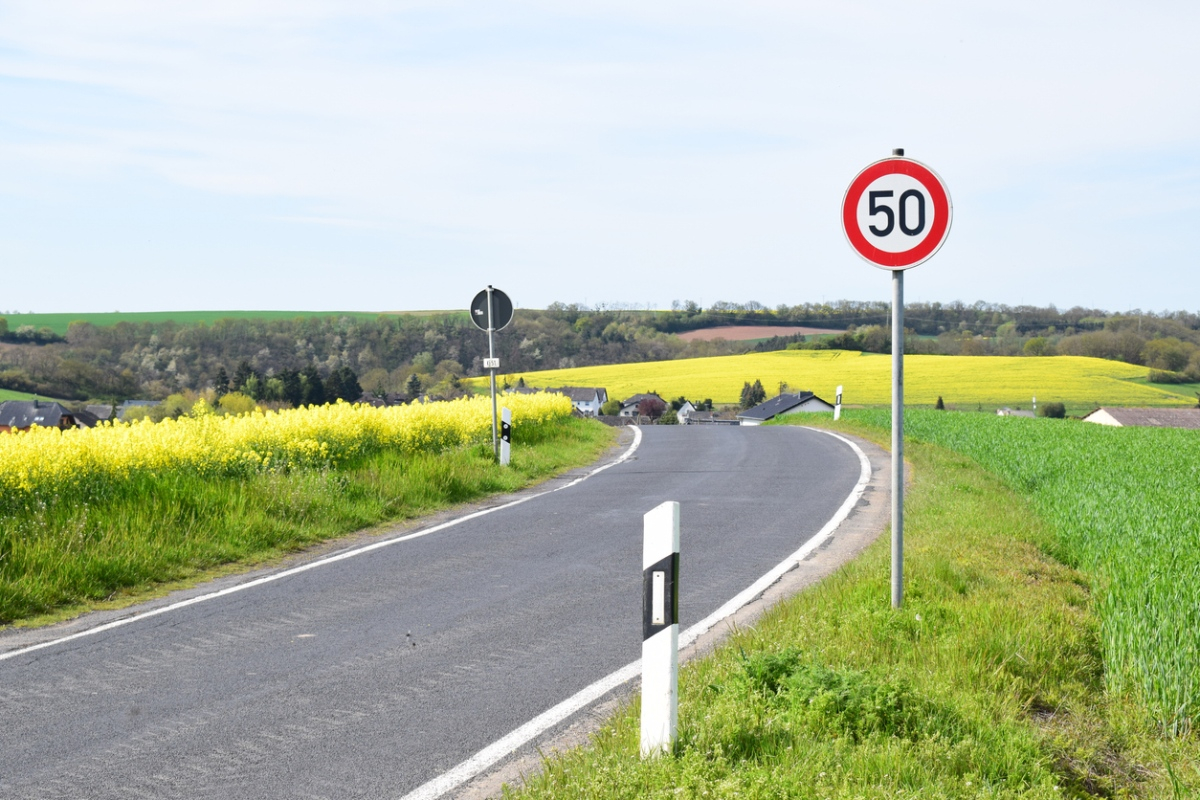
Plans to cut the national speed limit on single carriageway roads in Scotland have been abandoned by SNP ministers, despite more than £500,000 being spent developing the proposal.
The Scottish Government confirmed it will not go ahead with reducing the current 60mph limit to 50mph. The decision follows strong public opposition, with almost nine in ten respondents rejecting the idea during a national consultation.
In total, £513,747 of public money was spent on the national speed management review, prompting criticism from opposition politicians. Liam Kerr, Conservative MSP for the North East, described the proposal as “senseless” and said ministers should now focus on improving road conditions rather than targeting motorists.
Transport Secretary Fiona Hyslop confirmed in a written parliamentary response that ministers had decided not to proceed with changes to speed limits on single carriageway roads after reviewing consultation feedback. However, she said work would continue on proposals to increase speed limits for heavy goods vehicles to 50mph on single carriageways and 60mph on dual carriageways.
An analysis of 19,584 consultation responses showed 89 per cent believed a lower speed limit would increase driver frustration, while 87 per cent said it would worsen journey times. Only 14 per cent felt it would reduce serious or fatal collisions. Most respondents - 77 per cent - said the current 60mph limit was appropriate.
Driver groups, including the RAC Foundation, had urged ministers to provide clear evidence that any changes to speed limits were necessary and proportionate.
Scottish Conservative transport spokesperson Sue Webber said the consultation results showed how “out of touch” SNP ministers had been. Meanwhile, Scottish Greens MSP Mark Ruskell criticised the decision, calling it “regrettable” and accusing the government of stepping back on road safety.
Ms Hyslop defended the review, saying it provided valuable evidence to support the goal of making Scotland’s roads the safest in the world by 2030, adding that “one death on our roads is one too many”.