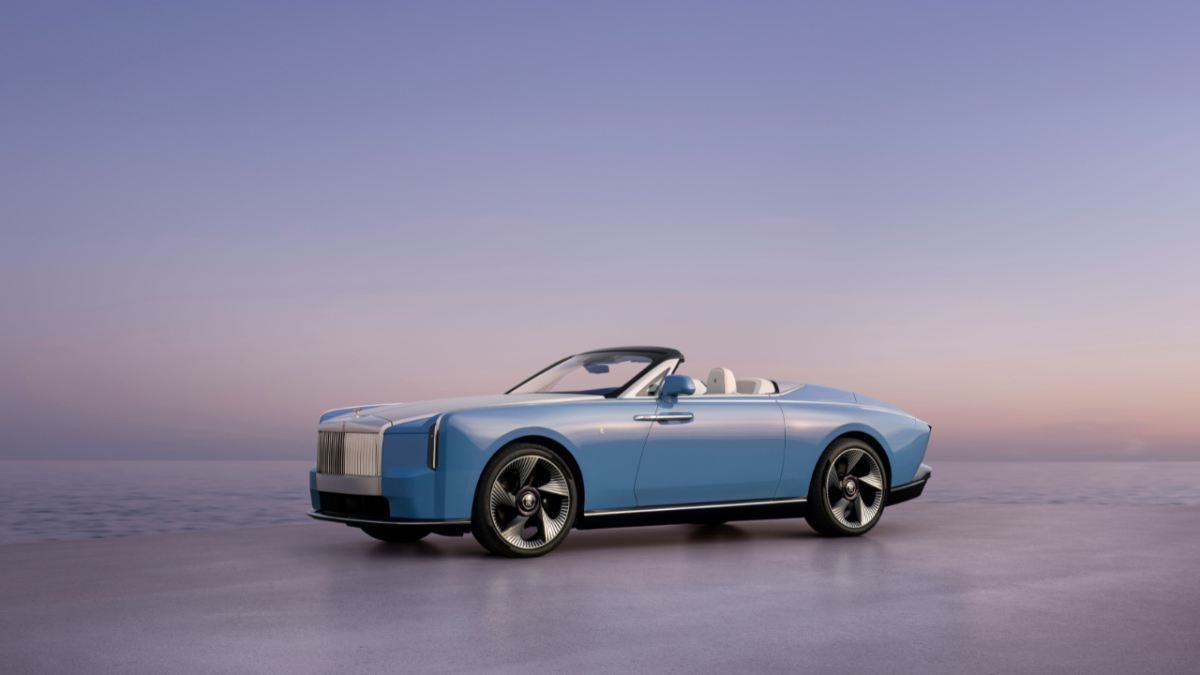
Rolls-Royce reveals £7m Project Nightingale EV convertible
Rolls-Royce has pulled the covers off something truly outrageous: Project Nightingale, a £7 million all-electric convertible that takes luxury motoring to another level. Limited to just 100 examples worldwide, this ultra-exclusive drophead launches the brand’s new Coachbuild Collection and blends 1920s design inspiration with a claimed 329-mile electric range.
This is not a concept car. It’s a fully planned production model, and every single car has already been sold to Rolls-Royce’s most important clients. In other words, the only people likely to see one in the metal are the lucky few who ordered one, and everyone else craning their necks as it glides past.
Key facts
- £7 million is the confirmed starting price for Project Nightingale, though extensive bespoke options mean final figures will be much higher.
- 100 units will be produced in total, and every single one has already been sold to the brand’s most valued global clients.
- 107kWh+ is the anticipated battery capacity, larger than the pack in the Rolls-Royce Spectre, to achieve the 329-mile range target.
- 5.76 metres is the full length of the two-seater drophead, making it as long as a flagship Phantom saloon despite having two fewer doors.
- 1928’s iconic 17EX Torpedo experimental car serves as the primary design inspiration for Project Nightingale's sleek, long-tail silhouette.
A new era of Rolls-Royce exclusivity
For years, Rolls-Royce has sat comfortably at the very top of the luxury car world, offering everything from its regular series-production models to one-off masterpieces like the Boat Tail. Project Nightingale now creates a new space in between.
That matters because it gives the brand’s wealthiest customers something even more special than a standard Cullinan, Ghost or Spectre, but without the full one-off development process of a completely bespoke commission. It’s rare, highly personal and engineered for clients who want exclusivity without compromise.
Spectre vs Project Nightingale
Rolls-Royce’s Spectre marked the brand’s first proper step into the electric age, but Project Nightingale is on a completely different level.
The Spectre is a series-production car, so it will be seen in comparatively larger numbers. Nightingale, by contrast, is limited to just 100 cars and starts at £7 million before personalisation. That puts it firmly into collector-car territory from the outset.
Both cars share the same Rolls-Royce promise: silent, effortless progress. But while the Spectre is a statement of electric luxury you might actually see on UK roads, Nightingale is a rolling sculpture for an elite handful of clients.
A 1920s design influence, reimagined
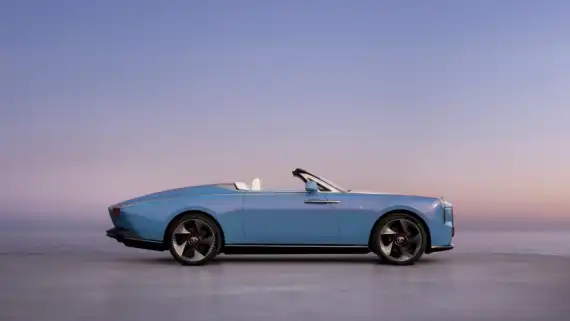
One of the most interesting things about Project Nightingale is its styling. Rolls-Royce has looked back nearly a century to the 1928 17EX Torpedo experimental car for inspiration, and the result is a long, low, beautifully streamlined shape that feels both historic and modern.
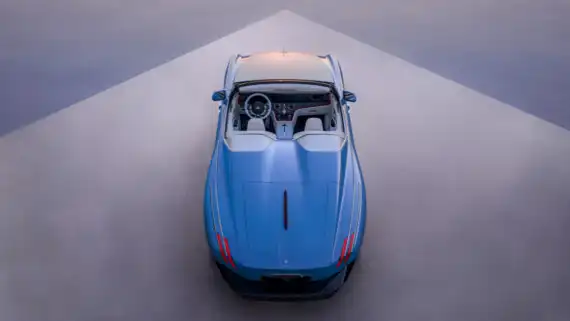
Its 5.76-metre length gives it the sort of presence you’d usually expect from a Phantom, yet it has only two seats. That might sound impractical, but practicality is not the point here. This is about theatre, elegance and the kind of open-top driving experience that only Rolls-Royce can really make feel special.
It’s also a strong reminder that coachbuilding is still alive in the ultra-luxury world, even as the industry shifts towards electrification.
Power, range and road presence
Rolls-Royce is still finalising the performance figures, but the early signs are seriously impressive. To achieve its claimed 329-mile range, Project Nightingale is expected to use a battery pack larger than the 107kWh unit in the Spectre.
Power is likely to sit around 650bhp, sent through a dual-motor all-wheel-drive setup. As you’d expect, the emphasis isn’t on speed for speed’s sake; it’s on smooth, silent, effortless motion. That classic Rolls-Royce “waft” factor should translate beautifully to electric power.
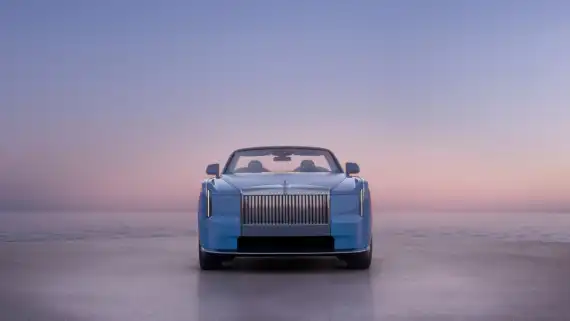
And this thing will not go unnoticed. The 24-inch alloy wheels, huge front grille and long-tail body give it major road presence, even by Rolls-Royce standards. It’s the kind of car that doesn’t just arrive, it makes an entrance.
Design direction for future Rolls-Royce models
Project Nightingale isn’t just important because it’s rare. It may also hint at where Rolls-Royce design is heading next.
The project is being led by Domagoj Dukec, the brand’s design chief since 2024, and he has suggested that its sharper, more modern look could influence future Rolls-Royce models, including potential electric SUVs.
That means this £7 million convertible could end up shaping much more than just a 100-car run. In a brand as influential as Rolls-Royce, even the most exclusive models can set the tone for the next generation.
A very different buying experience
Another standout detail is how personal the whole process has been. The 100 buyers haven’t just been handed a brochure and a build slot. They’ve been involved from the start, seeing early sketches and even taking part in parts of the development and testing process.
That level of involvement turns the ownership journey into something closer to a private commission than a traditional car purchase. And with first deliveries due in 2028, Project Nightingale already feels like one of the most talked-about ultra-luxury cars in the world.