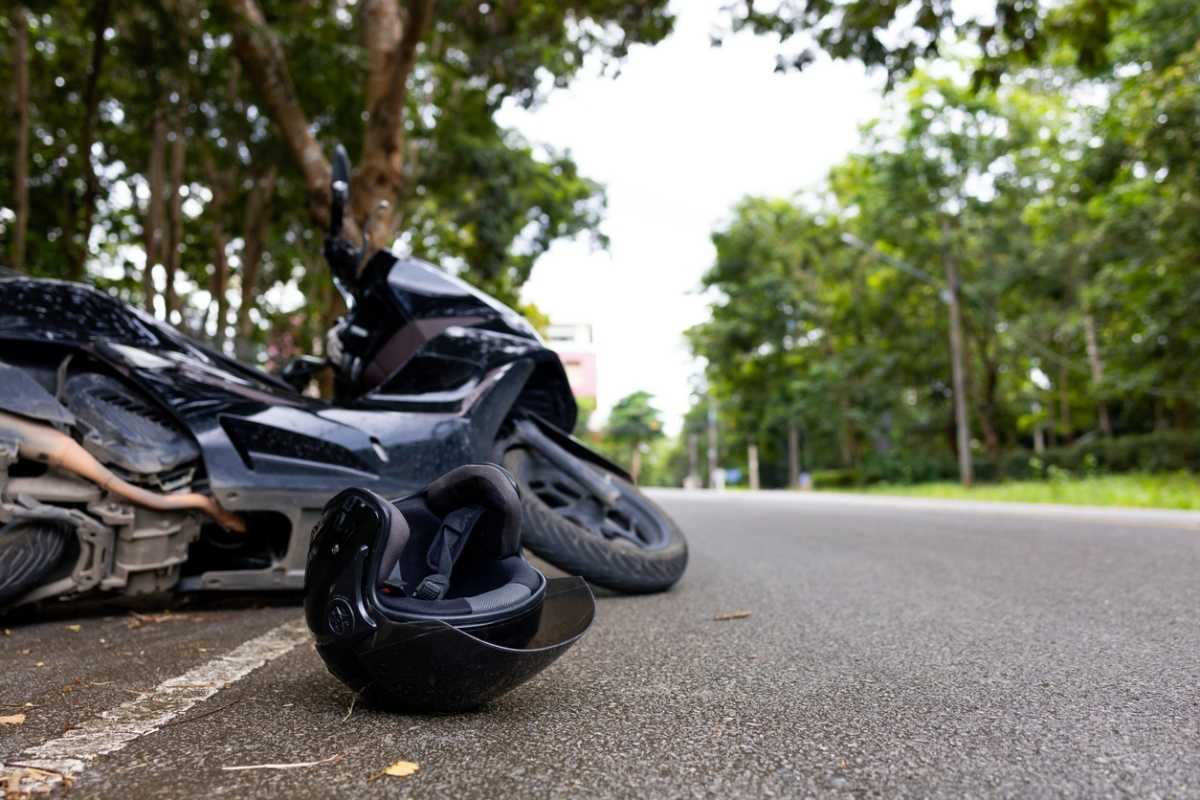
So-called ‘crash for cash’ scams are costing more than £25 million, with criminals deliberately staging road collisions in an attempt to make fraudulent insurance claims.
New footage released by dashcam manufacturer Nextbase highlights how these organised scams can target unsuspecting motorists, leaving victims facing financial losses, higher insurance premiums and, in some cases, physical and emotional trauma.
‘Crash for cash’ fraud involves criminals deliberately causing or staging a collision before making an insurance claim against the innocent driver.
Kam Patel was targeted in a suspected staged collision and said the experience left him shocked by the possibility that he had been deliberately set up.
“It was shocking. All I can say is it’s a shock to the system to know you're a victim of a total staged set-up,” he said.
“I guessed that there was something a little bit strange about the whole thing. I had this feeling: have I hurt somebody? Have I injured somebody? And at the same time, I thought, have I been set up?”
New data from police and insurance sources shows that staged collisions have cost more than £25 million over the past five years.
How do ‘crash for cash’ scams work?
Fraudsters deliberately engineer or stage collisions so they can make an insurance claim against another road user.
In some cases, criminals may target drivers at junctions or on quieter residential roads, where they can manipulate traffic conditions to make a collision appear unavoidable.
Police have warned drivers to be particularly alert to single parked vans positioned close to junctions, which can provide cover for ‘crash for cash’ moped riders waiting for an opportunity to strike.
Moped riders may also loiter in residential areas or on smaller roads close to busy high streets before deliberately causing a collision.
Detective Inspector Christopher O’Donovan said the consequences for innocent motorists could extend far beyond the insurance claim itself.
“The victim has gone into them; their insurance will be paying out, but they’ll be losing their no-claims bonus,” he said.
“They themselves might be injured as a result of that, which is the big thing for me, the impact upon the victim, the member of the public.
“They’re going to be shaken, traumatised, potentially suffering whiplash themselves. And who’s going to pay for that?”
What should you look out for?
Several warning signs could indicate a collision has been deliberately staged.
Fraudsters may:
- Overreact after a collision or claim to have suffered injuries that appear disproportionate to the impact.
- Fake or exaggerate injuries in an attempt to strengthen an insurance claim.
- Keep their helmets on after a collision, potentially making identification more difficult.
- Loiter near junctions or residential roads, particularly where traffic conditions make it easier to engineer a collision.
- Pressure you immediately after an accident to provide personal or insurance documents.
Being aware of these tactics does not mean every unusual driving incident is fraudulent. However, recognising potential warning signs can help motorists protect themselves and preserve important evidence.
How can you protect yourself?
Drivers should remain cautious on the road and leave enough space between their vehicle and others, both in front and behind.
Installing a dashcam with front and rear cameras can also provide valuable evidence. Footage may help demonstrate that a collision was deliberately staged and could support an insurance investigation or police prosecution.
If you witness a suspicious collision, consider offering to act as a witness and record as much useful information as possible.
This could include:
- The make and model of any moped involved
- The registration number
- The rider’s clothing or other identifying features
- The location and circumstances of the collision
- The direction in which the rider or other vehicle left the scene
Be careful with your personal information
Drivers should also be wary if another party pressures them to hand over their driving licence or insurance documents immediately after a collision.
Fraudsters may attempt to photograph these documents using a mobile phone. In some cases, information contained on identity or insurance documents can potentially be used to facilitate further fraudulent activity, including attempts to take out insurance policies.
Only provide the information you are legally required to exchange following a collision, and avoid unnecessarily handing over or exposing personal documents.
With staged collisions costing millions of pounds and potentially leaving innocent motorists facing financial and emotional consequences, vigilance can be an important first line of defence.
A dashcam cannot prevent every collision, but having clear evidence of what happened could prove crucial if an apparently innocent accident turns out to be anything but accidental.