TL;DR
The latest data reveals Barking and Dagenham's RM9 postcode is the UK's top motor insurance fraud hotspot. These 'crash for cash' scams and other fraudulent claims cost UK drivers a staggering £576 million annually, pushing up premiums for everyone.
Key Facts
- £576 million: The total value of detected fraudulent motor insurance claims in the UK, impacting every driver's premium.
- RM9 (Barking and Dagenham): Confirmed as the number one postcode for motor insurance fraud in the entire country.
- 13: The number of postcodes within Birmingham that feature in the top 30 fraud hotspots across England.
- Insurance Fraud Bureau (IFB) CheatLine: The official service where drivers are urged to report suspected 'crash for cash' scams and ghost broking.
- 'Report Fraud': The new UK Government service poised to replace Action Fraud, boosted by AI to detect scams faster.
UK's Worst Car Insurance Fraud Hotspots Revealed for 2024
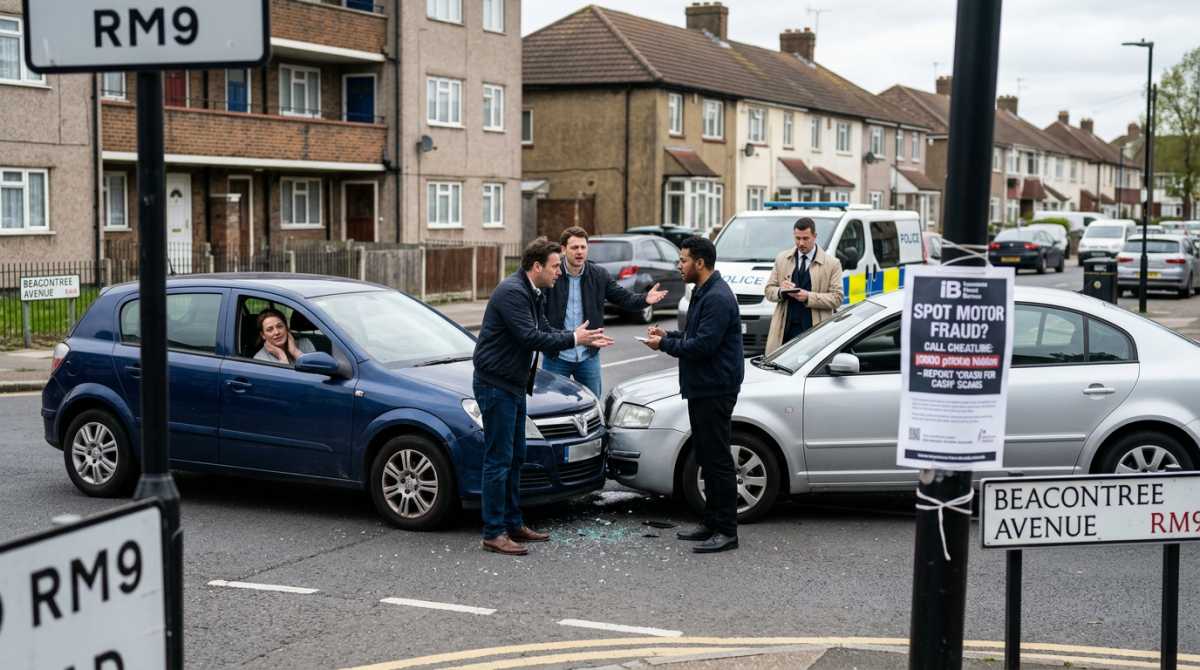
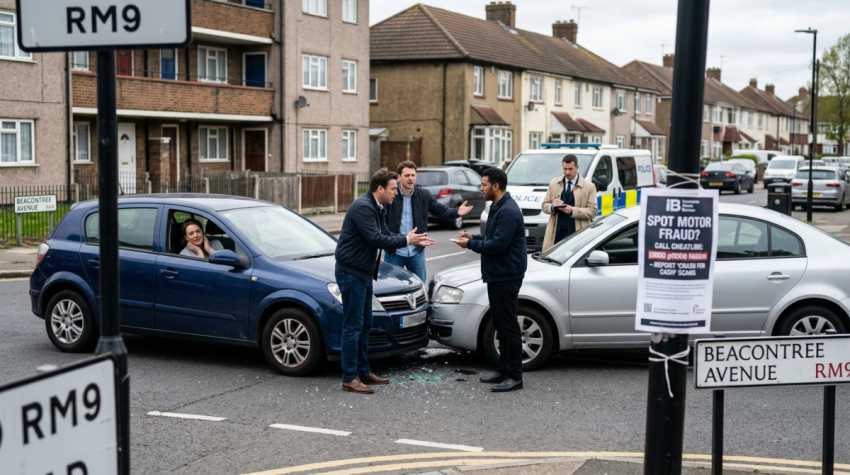
New data has revealed the UK's motor insurance fraud hotspots, and for drivers in one specific corner of East London, the news is particularly concerning. The RM9 postcode, covering parts of Barking and Dagenham, has been identified as the single worst area for fraudulent motor insurance claims in the country.
This isn't a minor issue; it's part of a nationwide crisis. The latest figures show that fraudulent claims have hit a staggering £576 million. What this means for drivers is that organised scams are directly responsible for pushing up the cost of car insurance for millions of honest motorists.
Birmingham Named the UK's Fraud Epicentre
While a London postcode holds the top spot for Barking and Dagenham RM9 fraud, a closer look at the data reveals Birmingham is the true epicentre of the problem. Brummie postcodes account for an incredible 13 of the top 30 hotspots in England, showing a concentrated effort by criminals in the area.
The problem isn't confined to England, either. In Scotland, Glasgow postcodes dominate the fraud list, while the small town of Crieff (PH5) holds the unfortunate title of the country's most active fraud zone per capita. Similar patterns are seen in Wales, with Cemaes Bay identified as a hotspot, and in Northern Ireland’s Crumlin.
How 'Crash for Cash' Scams Trap Unsuspecting Drivers
Criminal gangs are sticking to classic, dangerous scripts to generate bogus claims. These 'crash for cash' scams are getting harder for drivers to spot in the heat of the moment.
One of the most common tactics is the roundabout trap, where a driver in front will suddenly and inexplicably slam on their brakes, ensuring you crash into their rear. Another dangerous setup involves a side road; a driver might flash their lights to let you out, but as you pull out, they accelerate directly into your side. It’s a calculated, cold-hearted move designed to secure easy injury payouts.
Beyond Staged Accidents: The Rise of Ghost Broking
The threat to drivers now extends beyond physical accidents. Experts are warning of a significant rise in identity theft car insurance scams. Fraudsters are actively searching social media for photos of driving test pass certificates to steal personal details.
Criminals also use fake job advertisements to harvest data from unsuspecting applicants. This information is then used for 'ghost broking', where a fraudster sells you a car insurance policy that is completely fake and isn't worth the paper it’s printed on, leaving you uninsured and out of pocket.
Your Protection Plan: How Drivers Can Fight Back
So, what can you actually do if you suspect you've witnessed or been a victim of a scam? The good news is that there are clear actions you can take. If a situation on the road feels off or you're offered a suspicious insurance deal, you should report it immediately to the Insurance Fraud Bureau (IFB) CheatLine.
There is more light at the end of the tunnel. The UK Government Fraud Strategy has confirmed it is finally ditching the old Action Fraud system and replacing it with a more modern 'Report Fraud' service. In a further boost, police are now using AI to identify and shut down fake insurance ads and ghost brokers before they can reach drivers. The advice remains simple: stay sharp, and if an insurance deal looks too good to be true, it almost certainly is.