TL;DR: The 2026 Formula 1 launch season marks a historic shift with 11 teams, including the new Cadillac entry, debuting cars built for radical power unit regulations. Key reveals begin 15 January with Red Bull and Ford in Detroit, followed by Audi’s global launch in Berlin on 20 January. Pre-season testing kicks off at Circuit de Barcelona-Catalunya on 26 January, focusing on the new 50-50 electrical-combustion power split.
The motorsport world is bracing for a seismic shift. As we approach the 2026 Formula 1 launch season, it's clear this isn't just another year of incremental gains. We're looking at a total reset – new cars, new manufacturers, and a radical rethink of how an F1 car actually moves.
With 11 teams now on the grid, including the highly anticipated Cadillac F1 entry, the paddock is more crowded and competitive than it's been in years. The excitement is palpable, and frankly, it’s about time we saw some fresh blood like Audi and Ford shaking up the established order.
The 2026 Formula 1 Launch Season: Key Reveal Dates
Teams are ditching the traditional February slots to get their F1 2026 car reveals out of the way early. They're desperate to show off their interpretations of the new aero rules. Here’s how the calendar is shaping up:
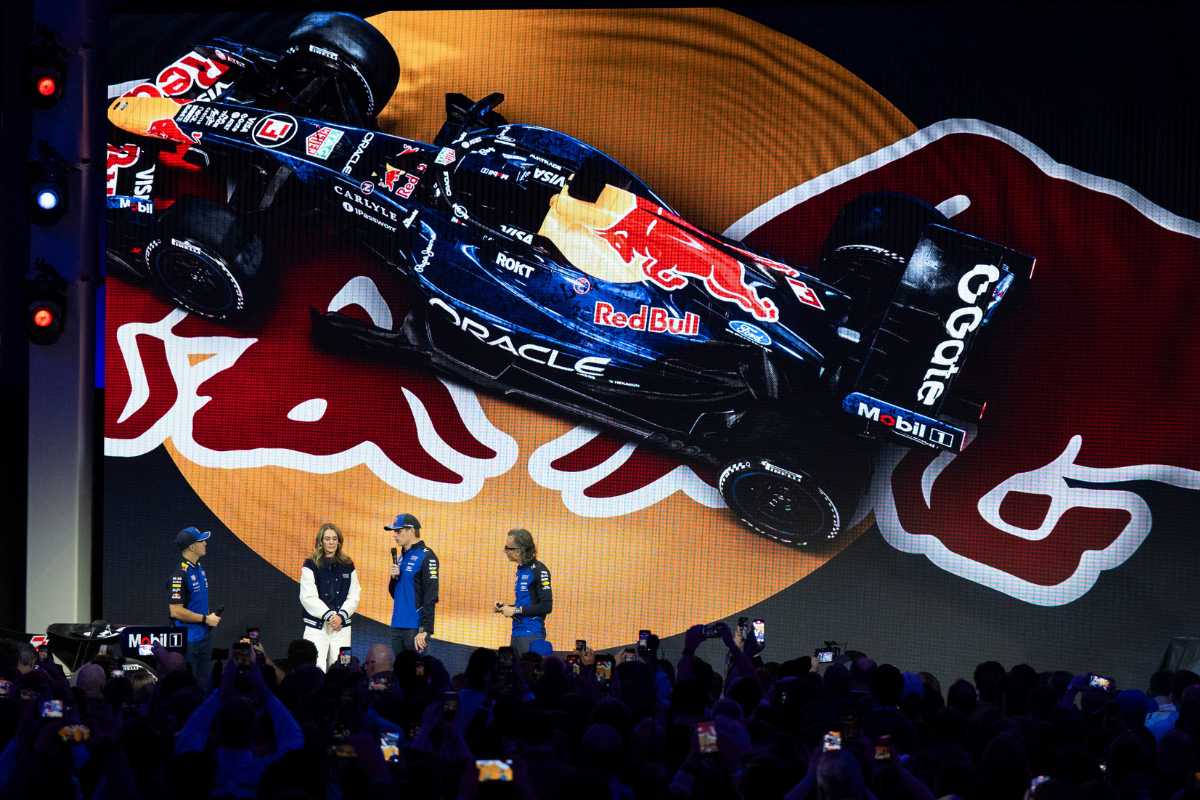
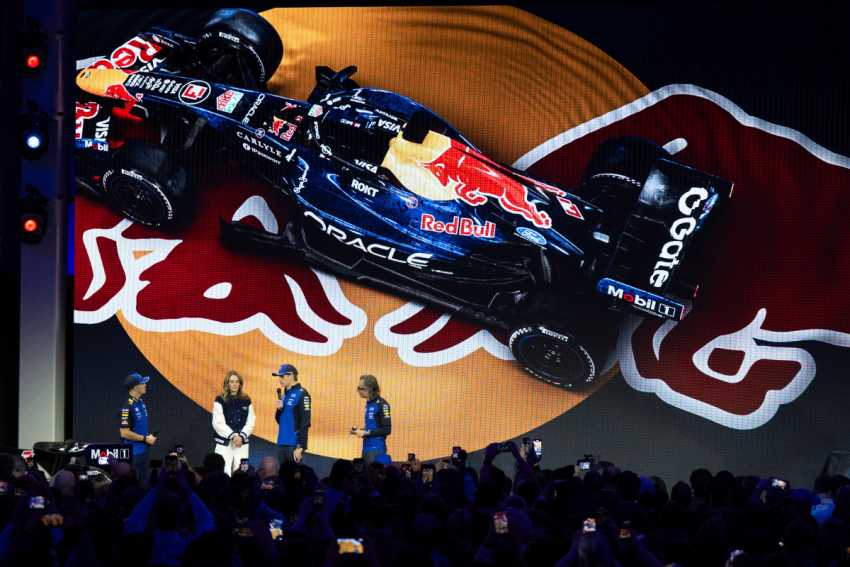
January 15: The Red Bull Ford partnership takes centre stage. Launching from Ford’s Detroit HQ, it made a massive splash. The RB22 livery honours Ford’s heritage with a return to a deeper blue.
January 19: Haas pulls the covers off the VF-26. They’ve moved early this year, likely to ensure they aren't overshadowed by the heavy hitters later in the week.
January 20: A massive day for the sport. We’ll see the Audi F1 global launch in Berlin, marking the official end of the Sauber era. Simultaneously, the Honda F1 return 2026 celebrations will kick off in Tokyo as they begin their exclusive works partnership with Aston Martin.
January 22: Mercedes rounds out the 'premiere week', showing us if they've finally mastered the ground-effect era's successor.
How do 2026 F1 engines work? The 50-50 Power Split
You might be wondering why the 2026 F1 power unit regulations are causing such a stir. It’s all about the '50-50 power split'. In simple terms, the FIA has mandated that the internal combustion engine (ICE) and the battery (ERS) provide roughly equal power—about 350kW each.
This is a huge jump in electrical reliance. To make it work, cars will use 'active aerodynamics'—wings that move on the straights to reduce drag, because without that help, the cars would actually slow down as the battery drains. It’s a technical tightrope that engineers are losing sleep over.
Where and when is the 2026 F1 pre-season testing?
We’re seeing a return to Spain for the initial shakedowns, which makes sense given the cooler temperatures are kinder to brand-new power units.
Circuit de Barcelona-Catalunya: 26 January – 30 January. This is the first time we'll see all 11 teams, including Cadillac, on track together.
Bahrain International Circuit: 11 February – 13 February (Session 1).
Bahrain International Circuit: 18 February – 20 February (Final Session).
It’s a gruelling schedule, but with the 24-race championship starting in March, there’s zero room for error. Whether you're a die-hard fan or a casual viewer, the 2026 Formula 1 launch season is going to be a wild ride. I'll be keeping a close eye on the Audi-Sauber transition—it's the kind of manufacturer entry that could redefine the midfield battle instantly.