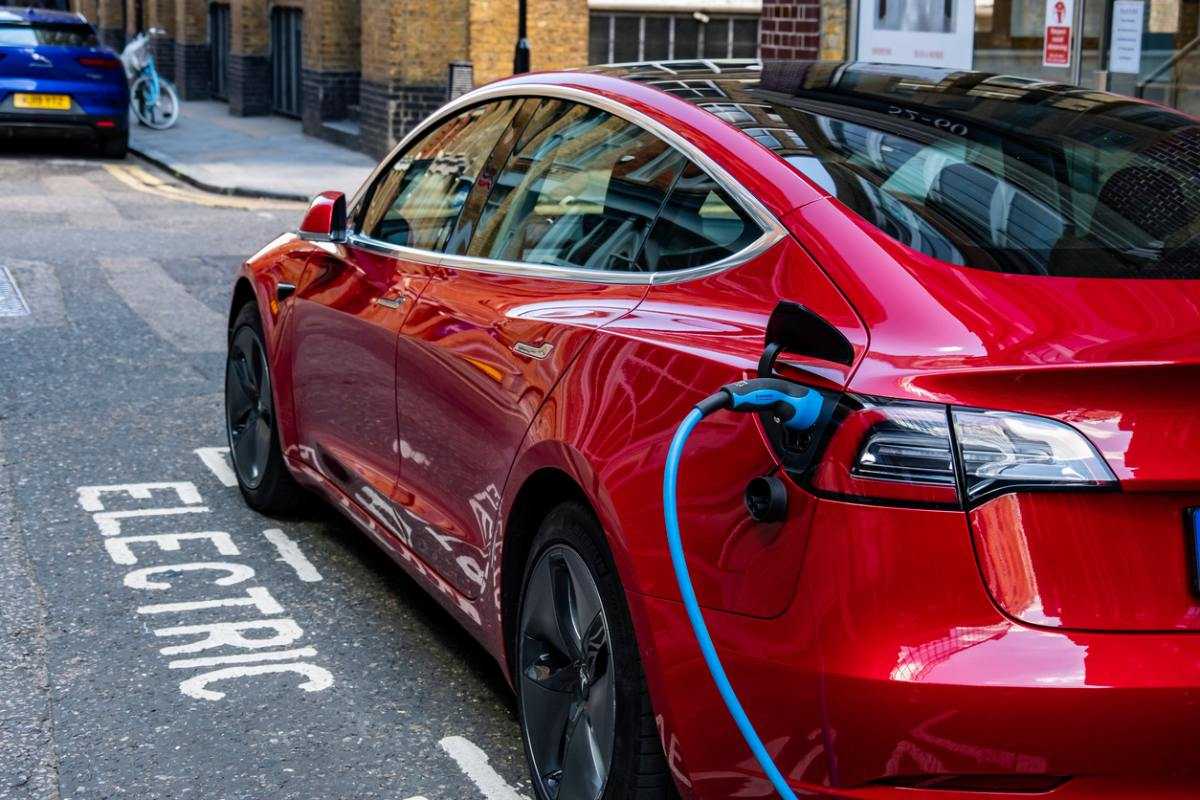
TL;DR From April 2026, several updates to UK car tax will come into effect. The standard rate of Vehicle Excise Duty (VED) will increase from £195 to £200 per year for most cars registered after April 2017. Electric car buyers will benefit from a higher Expensive Car Supplement threshold, which rises from £40,000 to £50,000, meaning many EVs will avoid the extra £425 annual charge. Meanwhile, drivers with electric company cars will see the Benefit-in-Kind tax (BiK) rate increase slightly from 3% to 4%, raising monthly tax payments. While the changes are relatively small, they could affect annual running costs and company car decisions for many motorists.
Latest update: From April 2026, several updates to car tax will come into force in the UK. While the changes are relatively small, they could still affect how much drivers pay each year, especially if you own a newer car, drive an electric vehicle, or have a company car.
Here’s a clear breakdown of what’s changing and what it could mean for you.
Standard road tax rising to £200
From 1 April 2026, the standard rate of Vehicle Excise Duty (VED) will increase in line with inflation.
For cars first registered after April 2017, the standard annual rate will rise from £195 to £200.
This rate applies to most vehicles once they move beyond their first-year tax band, including:
- Petrol cars
- Diesel cars
- Hybrid vehicles
- Electric vehicles
The increase will apply the next time you renew your tax after April 2026.
Although a £5 increase is small, many motorists are already facing higher costs for fuel, insurance and servicing. Over time, even small increases can add up.
Electric cars: luxury tax threshold increasing to £50,000
There is some good news for electric car buyers.
The threshold for the Expensive Car Supplement (often called the luxury car tax) will increase from £40,000 to £50,000.
At the moment, any car with a list price above £40,000 must pay an extra £425 per year for five years, on top of the standard tax rate.
From April 2026:
- Electric cars priced below £50,000 will not pay this extra charge
- Only EVs above £50,000 will face the supplement
This change could benefit many family-sized electric cars that sit between £40,000 and £50,000.
It’s important to remember that the rule is based on the official list price (RRP) of the car, not the discounted price you might negotiate with a dealer.
Electric company cars: Benefit-in-Kind rising to 4%
From 6 April 2026, the tax rate for electric company cars will also change.
The Benefit-in-Kind tax (BiK) rate for zero-emission vehicles will rise from 3% to 4%.
BiK determines how much tax employees pay if they use a company car for personal journeys.
Even after the increase, electric cars will still be far cheaper to tax than petrol or diesel company cars, but drivers may notice slightly higher monthly deductions.
The exact amount depends on the car’s P11D value (its official list price). The more expensive the car, the larger the increase in tax.
If you’re planning to:
- Renew a company car lease
- Join a salary sacrifice scheme
- Choose a new company vehicle in 2026
it’s worth asking your HR team or fleet provider for an updated tax estimate.
What these changes mean for drivers
The April 2026 updates do not dramatically change the UK car tax system, but they will slightly increase costs for many motorists while adjusting incentives for electric vehicles.
Planning ahead - especially if you are buying a new car or choosing a company vehicle - can help you avoid surprises when the new rates come into effect.