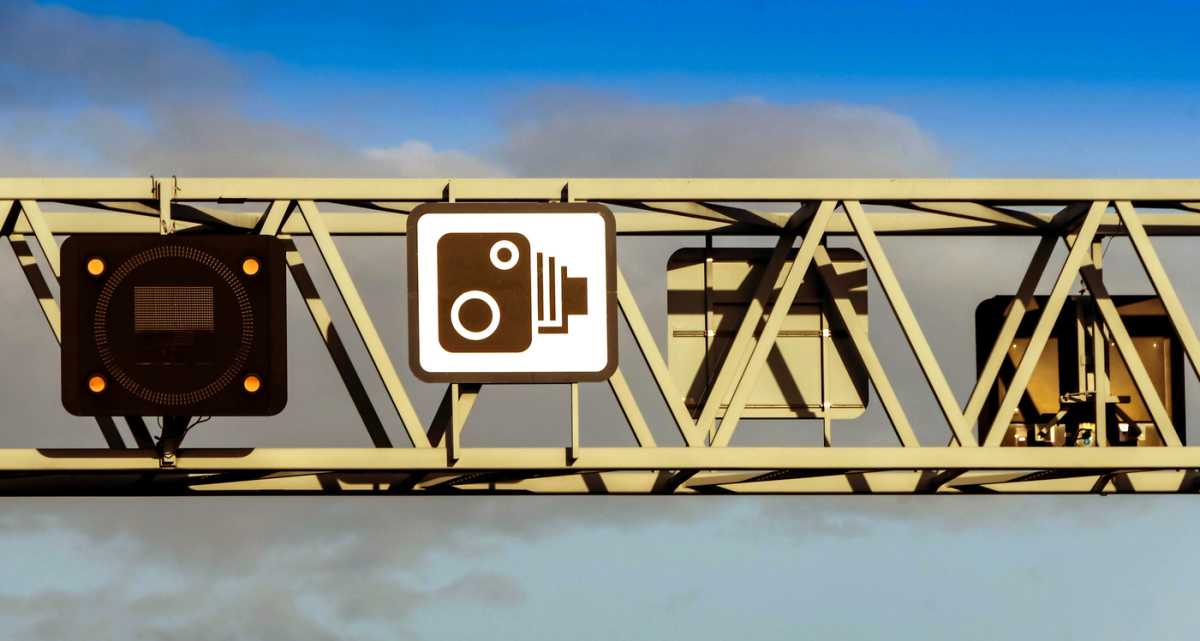
Summary: The Department for Transport has launched an independent review into a widespread speed camera glitch affecting UK smart motorways and A-roads. Over 36,000 cases have been dropped after a technical lag between gantry signs and cameras led to wrongful fines and bans. National Highways is now reviewing cases dating back to 2019, with experts warning of potential multi-million-pound compensation claims for affected motorists.
Thousands of British motorists might be about to see their speeding convictions wiped clean. It turns out a long-running glitch in the UK's road tech has been wrongly penalising drivers for years, leading to a massive independent review ordered by Transport Secretary Heidi Alexander. If you’ve been caught out on a smart motorway recently, this isn't just news – it’s a potential lifeline.
What exactly went wrong with the cameras?
At the heart of the scandal is a technical lag. On smart motorways and certain A-roads, variable speed limits change on overhead gantries to manage traffic flow. However, a delay of just a few seconds between the sign changing and the camera updating meant drivers were being clocked at the 'old' speed despite doing nothing wrong.
Imagine you're driving at 60mph because the sign says so, only for the camera to snap you based on a 50mph limit that hadn't even registered yet. It’s frustrating, right? For many, it was life-changing. We aren't just talking about a £100 fine here; some people lost their licences, their jobs, and their livelihoods because of these false readings.
The scale of the National Highways failure
The numbers are, frankly, staggering. The Mail recently broke the news that over 36,000 speeding cases have already been scrapped. While the issues were initially thought to start in 2021, the Department for Transport (DfT) has now confirmed that National Highways will look back as far as 2019.
Here’s the breakdown of the damage so far:
- 154 cameras across the country may have been faulty.
- 2,650 drivers have already been officially identified as wrongly accused.
- 36,000 speed awareness courses were cancelled as a precaution.
- Two mistakes a day were likely occurring over a four-year period.
Why this matters for UK drivers now
If you’ve received a NIP (Notice of Intended Prosecution) on a smart motorway in the last few years, you’ve likely felt that nagging doubt about whether the limit was actually what the police said it was. This review, led by DfT board member Tracey Westell, aims to find out why this wasn't caught sooner.
Criminal lawyer Philip Somarakis said, "We welcome the independent review.
"I'm sure there will be many motorists left feeling extremely frustrated that the issues with variable speed limit enforcement potentially go back even longer than it originally appeared.
"Moreover, I note the review will specifically consider the circumstances through which technical and operational issues, including, but not limited to, the technical anomaly, are identified and how and when they are escalated within National Highways to the executive and board.
"This is not an isolated incident involving the enforcement of variable speed limits and it begs the question whether the review will identify other failings."
How do I know if I've been affected?
Anyone wrongly fined due to the speed camera glitch will automatically receive a refund and have any penalty points removed. National Highways and police forces have apologised and confirmed that affected drivers will be contacted directly, with no action needed from motorists. A compensation scheme will follow, and new checks are in place to stop similar errors in future.
Can you claim compensation?
Experts like Hugh Bladon from the Association of British Drivers suggest the taxpayer could be on the hook for millions. If you can prove a wrongful ban led to financial loss, like losing a job that required a car, you might have a significant claim.
Practical tip: If you're ever flashed by a camera you believe is wrong, keep your dashcam footage. In many of these 36,000 cases, it was the only thing that saved the driver from a conviction.
The bigger picture: Are smart motorways safe?
This glitch reignites the fierce debate over smart motorways. Without a hard shoulder, these roads are already statistically more dangerous when you break down. Add unreliable speed enforcement into the mix, and it’s easy to see why public confidence is at an all-time low.
National Highways has apologised and claims new checks are in place to stop this happening again. But for the thousands of people who've already paid the price, both literally and figuratively, an apology might not be enough.
Check out our article on whether speed cameras really allow a 10% buffer.
FAQs:
Which cameras are affected? Primarily variable speed cameras on UK smart motorways and some A-roads.
How far back does the review go? The DfT is investigating cases from 2019 to the present.
What caused the error? A synchronisation lag between gantry speed limit signs and the enforcement cameras.