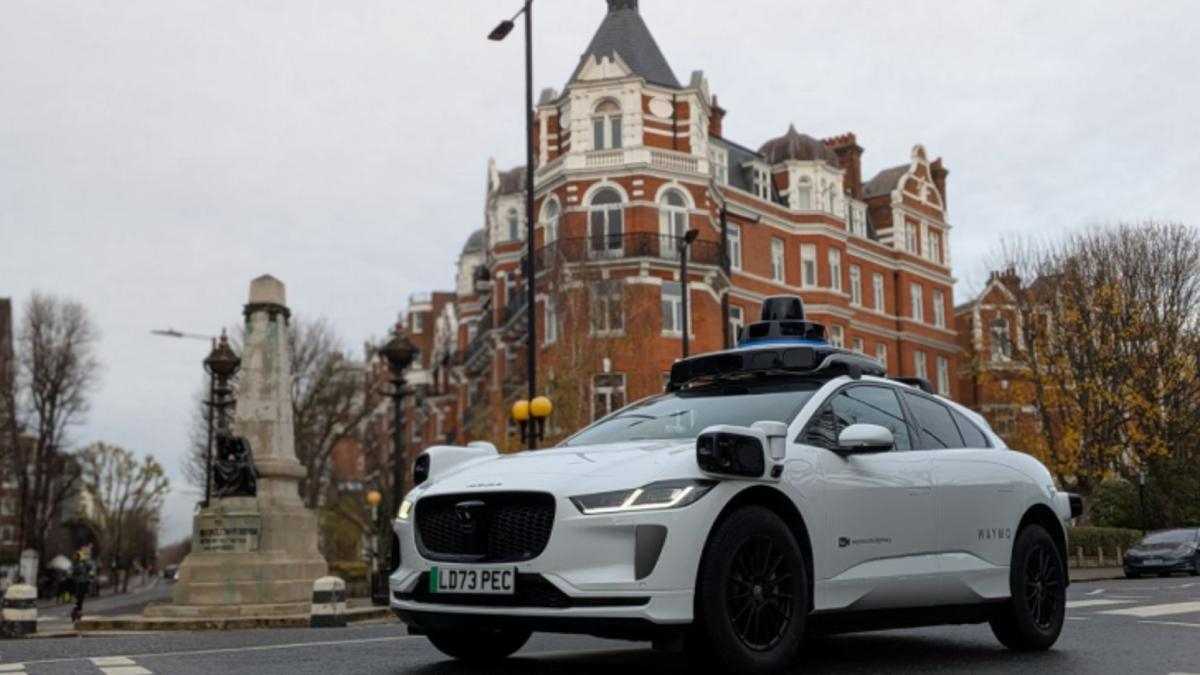
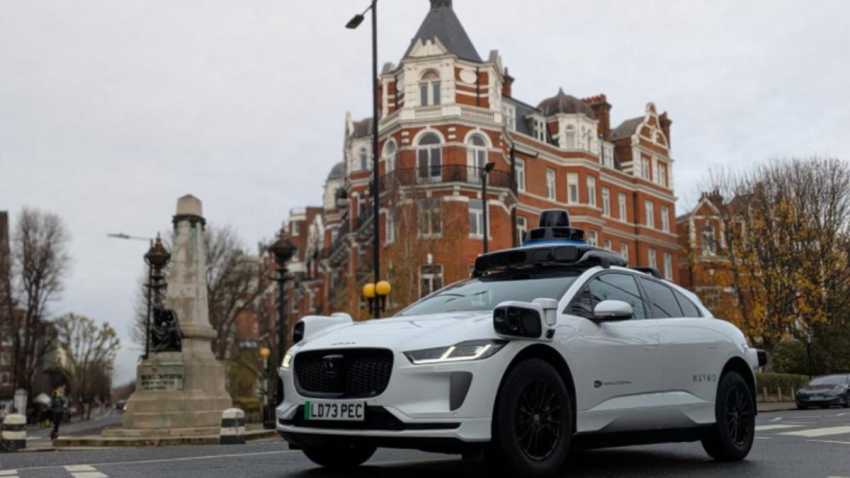
TL;DR Waymo plans to have its autonomous cars operating in London by the end of 2026, pending government approval. Currently, cars are in the mapping and testing phase, with safety drivers onboard. Key issues include city coverage, pedestrian behaviour, and integration with London traffic. Government and Waymo are working to create safety-first regulations. Initial deployment will be limited, avoiding a traffic surge, and cars promise higher safety and efficiency than human drivers.
Driverless cars may soon become a reality on London’s streets. Waymo, Google’s autonomous vehicle division, has confirmed that its self-driving cars could be fully operational in the capital by the end of 2026, pending regulatory approval.
The company mentioned “Q4,” corporate shorthand for the final months of the year. Currently, around 24 Waymo vehicles are navigating London, but all are driven by humans. This initial stage is focused on mapping the city and collecting data to prepare for autonomous operations.
The next stage will involve testing with a safety driver present, in accordance with government guidelines for autonomous vehicles. The final phase will see fully driverless cars carrying passengers to their destinations.
“Our goal is to open to riders later this year, contingent on government approvals,” Waymo spokesperson Ethan Teicher told Sky News.
Safety and regulation
Waymo is actively working with the government to secure approval. Transport Minister Lilian Greenwood welcomed the announcement, stating:
“We’re delighted that London is Waymo’s first European city. Government must remain in the driving seat to ensure safety and security.”
The government is collaborating with Waymo to establish pioneering regulations to accelerate the arrival of self-driving vehicles while prioritising public safety. Greenwood added:
“We’re not cutting corners, but we are moving swiftly toward automated vehicles on our streets.”
Waymo emphasises that its vehicles are significantly safer than human drivers, particularly for pedestrians and cyclists. Nicole Gavel, Waymo’s head of business development, explained that the cars’ sensors can perceive the surrounding environment more accurately and comprehensively than humans, achieving what she described as “a superhuman level of perception.”
The company also highlights additional benefits, including passenger privacy, security, and peace of mind, especially for women travelling alone.
Operational questions
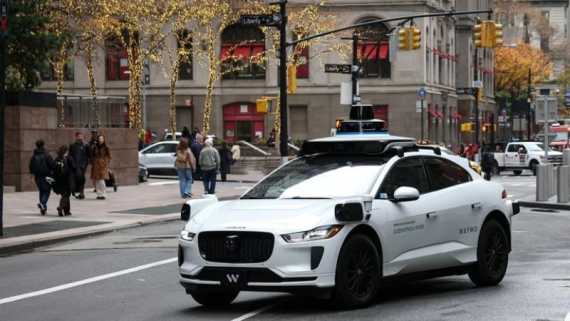
Several questions about how Waymo will operate in London remain. The company is currently testing in 19 of the city’s 32 boroughs and plans to start service in a limited area before expanding, though the exact location has not been disclosed.
Another challenge is adapting to London’s notoriously unpredictable streets. Waymo has experience in American cities such as San Francisco, Los Angeles, and Tokyo, but London presents unique challenges, including more aggressive pedestrian behaviour. Teicher assured that:
“Our systems are tested and proven to handle UK pedestrian behaviour, just as we adapt to jaywalkers and other challenges in cities across the U.S.”
Limited deployment, high efficiency
Expect driverless cars to appear gradually rather than in large numbers. Waymo operates roughly 1,000 vehicles in the San Francisco Bay Area and 700 in Los Angeles. Teicher stressed that the introduction of driverless vehicles in London will have minimal impact on traffic volumes but could increase efficiency, allowing fewer cars to complete more trips.
Ultimately, the effectiveness of autonomous vehicles in London will be tested on the city’s streets. Soon, residents will discover whether driverless technology can navigate the capital’s complex traffic environment safely and reliably.