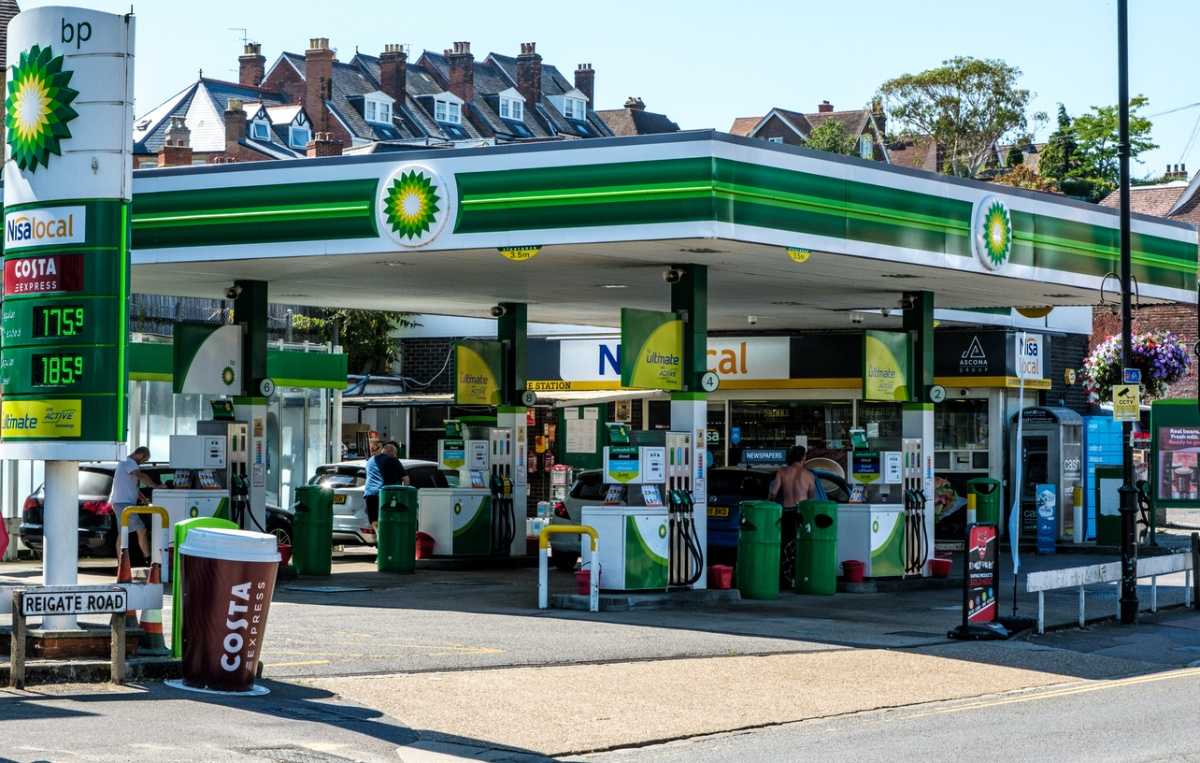
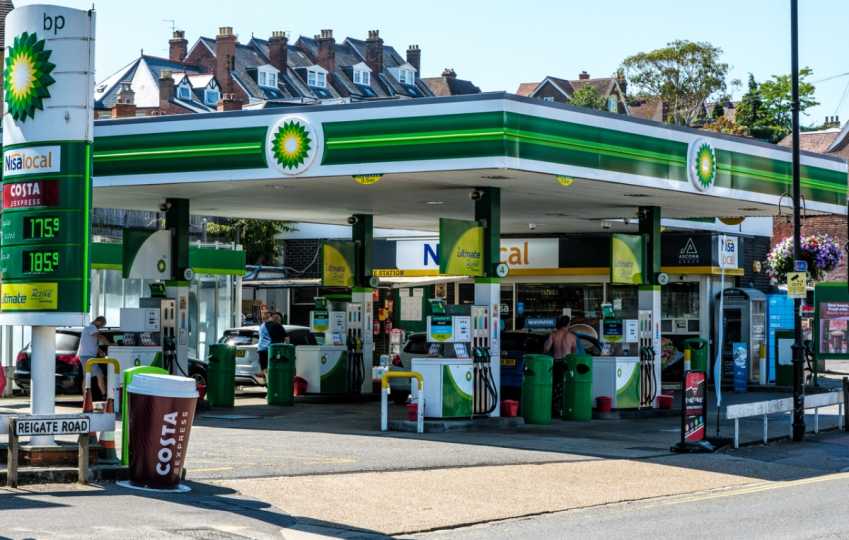
Drivers could see their annual costs rise by about £100 if the Chancellor lets the 5p-a-litre fuel duty cut end in the Autumn Budget. The cut was first introduced in March 2022 to help ease record fuel prices and, although it was meant to last only a year, it has been extended ever since.
The Road Haulage Association (RHA) warns that ending the cut would raise pump prices and increase transport costs for freight companies. That would push up the price of food, energy and other everyday goods, adding an estimated £7.3bn to household living costs by 2029.
A return to the full rate of fuel duty - from 52.95p to 57.95p per litre - would also lift consumer prices by around 0.3%, according to the RHA. Households with cars could pay £360 more a year by 2029, while even families without cars could face an extra £255 due to rising supply-chain costs.
RHA managing director Richard Smith said diesel is already more expensive in the UK than anywhere else in Europe and that increasing fuel duty now would hit an industry already operating on tight margins. He is urging the Government to keep the duty freeze in place.
Other analysts say the Treasury may see this as an opportunity to raise revenue, especially as fuel duty receipts fell to £12.2bn between April and September -partly due to the rise in electric and hybrid vehicles. With oil prices currently at their lowest since early 2021, some argue it is the right moment to restore the duty and align it with inflation.
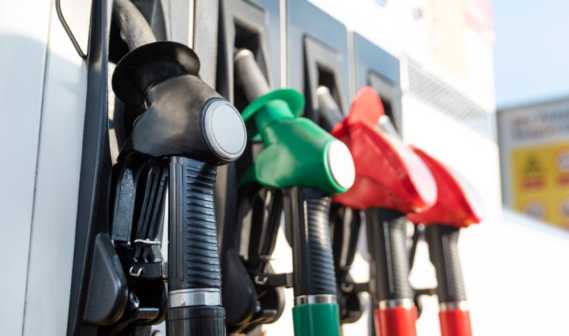
Fuel duty has been frozen since 2011, and together with the 5p cut, this has cost the Treasury around £90bn in foregone revenue. The Government is set to lose a further £15bn by 2029 if the freeze continues.
Rachel Reeves extended the 5p cut last year, saying raising fuel duty would be the wrong move during a cost-of-living crisis. She will now have to decide whether to keep the freeze for another year or allow the rate to rise.
Critics, including former IFS director Paul Johnson, argue the Government cannot claim to prioritise climate goals while continuing to freeze fuel duty.
EV drivers could also be affected. From 2025, owners of electric cars will pay vehicle excise duty for the first time and, for models over £40,000, an additional £425-a-year Expensive Car Supplement. Ministers are now reviewing whether the £40,000 threshold should be raised or removed to encourage EV uptake.
As fuel duty revenues decline, the Government is considering new ways to tax electric vehicles such as weight-based charges or pay-per-mile schemes to fill the long-term gap. At the same time, it may increase taxpayer-funded support through the recently launched Electric Car Grant to avoid slowing demand for EVs.