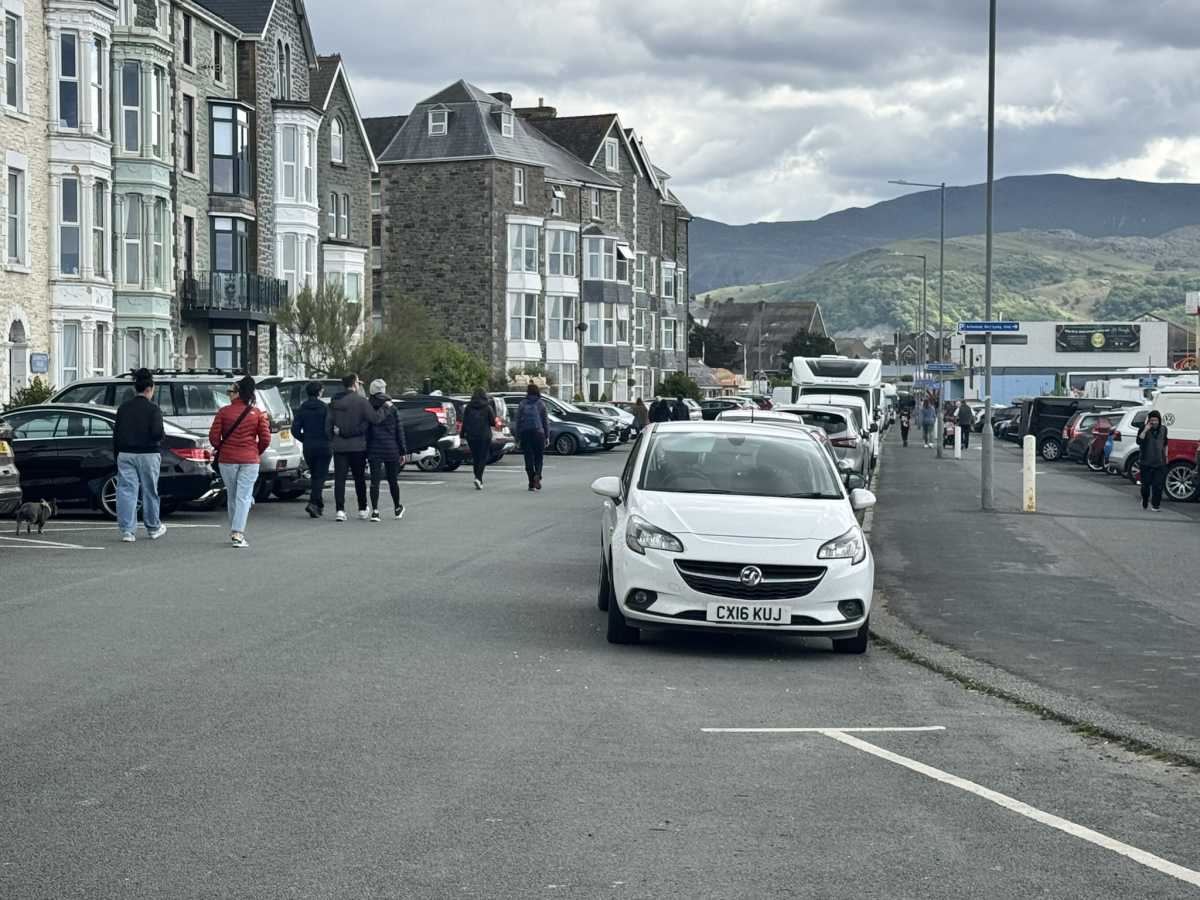
Drivers outside London could soon face parking fines of up to £160, under plans reportedly being considered by the Government.
At the moment, most council parking fines outside London are capped at £70. Ministers are now looking at whether local authorities should be given the power to increase those penalties, following a trial in Bournemouth, Christchurch and Poole where higher fines were introduced for certain offences.
The move would bring some areas closer to London, where the most serious parking penalties can already reach £160 depending on the borough and the type of offence.
Supporters argue that current fines are too low to act as a proper deterrent, especially in busy town centres where poor parking can block traffic, cause safety issues and make life harder for disabled drivers, pedestrians and emergency vehicles.
But many motorists will see this as another hit at a time when driving is already expensive. Fuel prices remain high, insurance premiums have risen sharply in recent years and many households are still under pressure from wider living costs.
There is also a question of fairness. Parking rules are not always easy to understand, signs can be unclear, payment machines and apps do not always work properly, and automated enforcement systems can leave drivers feeling they have been penalised without common sense being applied.
That concern is backed up by recent appeal figures.
According to figures reported by the Daily Mail, drivers launched a record 107,202 appeals against tickets issued by private parking firms in 2025. That was up from 76,292 in 2022, marking a rise of around 40%.
Of those appeals, 54,100 tickets were quashed, which means around half of the motorists who took their case further were successful. In around 40,000 cases, parking firms chose not to contest the appeal once it reached the independent adjudicator.
Those figures relate to private parking tickets, rather than council-issued penalty charge notices, but they still point to a wider problem. A huge number of drivers are being issued parking charges that do not survive proper scrutiny.
That matters if councils are about to be given more power to issue higher penalties. Stronger enforcement may be justified where drivers park dangerously, block access or ignore restrictions completely. But if fines are going to rise, the standard of enforcement needs to rise with them.
Councils would need to make sure signs are clear, restrictions are easy to understand, evidence is accurate and appeals are handled fairly. Drivers should not face higher penalties because of confusing rules, poor signage or faulty payment systems.
For motorists, the advice is straightforward. If you know you have parked illegally, paying early will usually reduce the cost. But if you believe the fine is wrong, do not ignore it and do not rush to pay just because the discounted rate is available.
Take photos of the signs, road markings, payment machine, app error messages and where your vehicle was parked. Check the time, location and registration details on the notice. If anything is wrong, unclear or missing, submit an appeal with evidence.
For private parking charges, drivers usually need to appeal to the parking company first. If that is rejected, the case can often be escalated to POPLA or the Independent Appeals Service, depending on the operator.
For council parking fines, the appeal route is different, but the same principle applies. Act quickly, keep evidence and follow the official process.
The concern for drivers is that higher fines will make more people pay up even when they have a valid case. Enforcement has a role to play, especially when parking is dangerous or selfish, but motorists also need confidence that the system is fair, accurate and not simply being used as a way to raise more money.