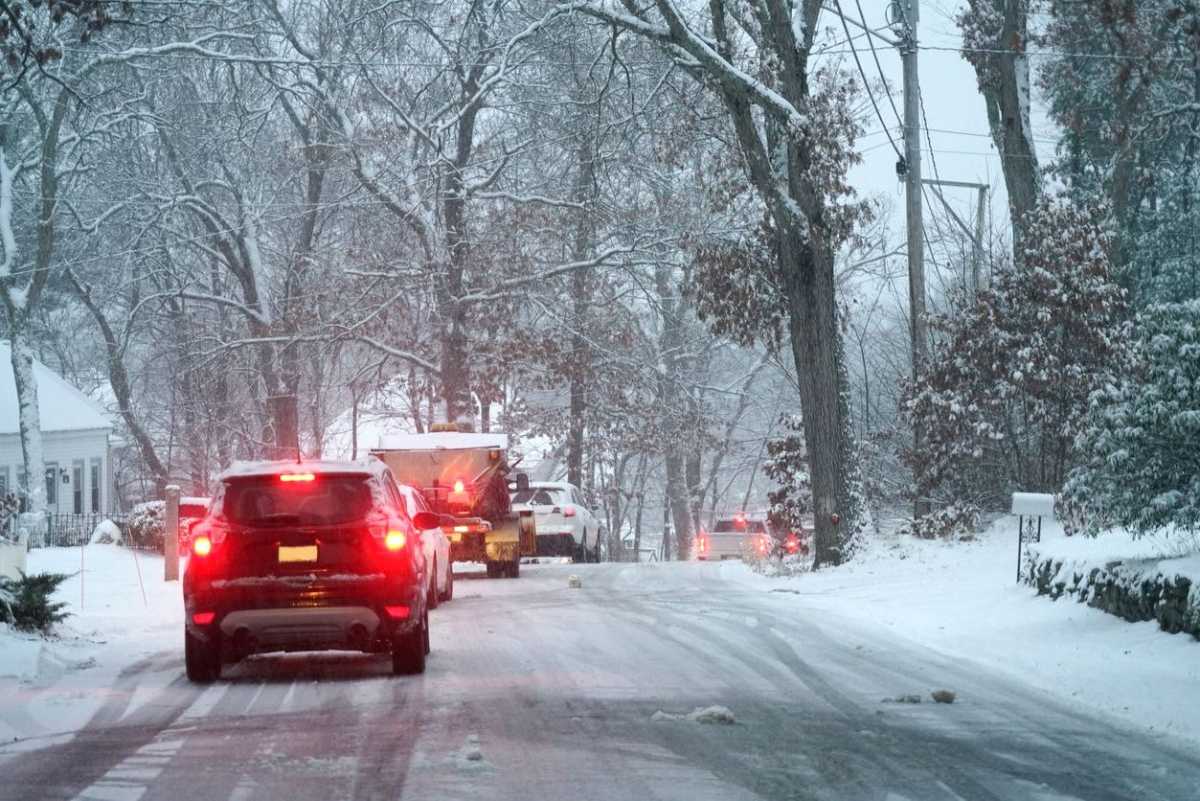
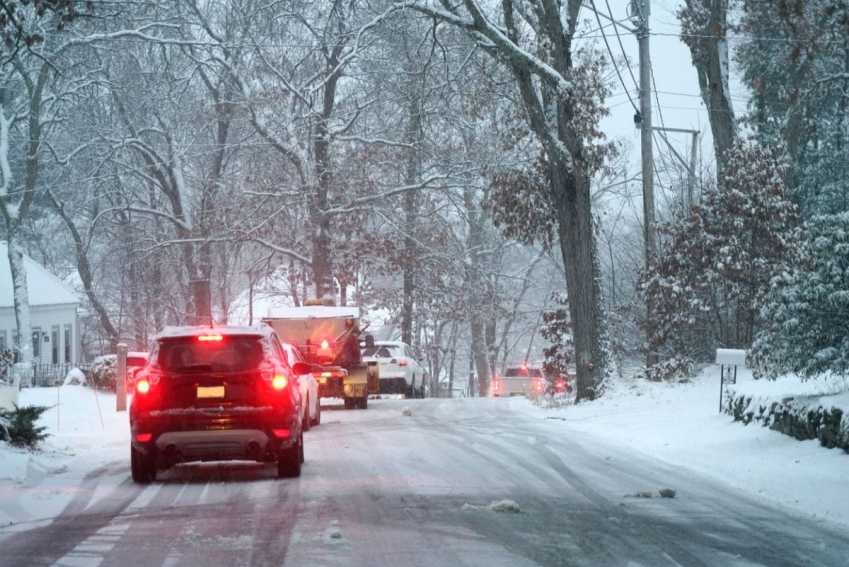
With winter in full swing and more icy weather ahead, UK drivers are being urged to leave extra space on the roads to avoid unnecessary accidents.
The team at Quotezone.co.uk is reminding motorists that snow and ice can increase stopping distances by up to 10 times compared to dry conditions. Between October and March, reduced daylight and tough weather make drivers six times more likely to have an accident, so it’s more important than ever to take care.
In normal weather, the Highway Code suggests stopping distances of about 23m at 30mph, 53m at 50mph, and 96m at 70mph – roughly 24 car lengths. In winter, those distances can skyrocket: wet roads need at least double the usual distance, while icy conditions can require up to ten times more stopping space.
Remember, stopping distance includes thinking time too – the time it takes you to notice danger and hit the brakes. Being tired, distracted, or stressed can slow your reaction, making it take even longer to stop.
Greg Wilson, CEO of Quotezone, said: “It’s crucial that drivers don’t underestimate winter weather and are fully prepared for worsening conditions.
“With accidents more likely throughout the winter months, remembering stopping distances and giving other drivers plenty of space is key – the more time and visibility drivers have, the more likely they will be able to react in time and avoid dangerous situations.
“If drivers are involved in an accident when driving in ice or snow, their insurer could challenge the claim if they were found to be driving negligently, such as ignoring safety advice or speeding – drivers need to adhere to the rules of the road no matter what the conditions, to avoid reckless driving.”
Compare car insurance quotes with QuoteZone and you could save up to £515*
10 quick tips for safer winter driving
- Allow more space: Double your stopping distance on wet roads and increase it up to tenfold in ice or snow.
- Slow down: Lower speeds give you more control. Drive below the speed limit in poor conditions.
- Keep your distance: Fog, frost, and rain reduce visibility - leave more room between you and the car ahead.
- Check your tyres: Make sure tread depth is over 1.6mm and pressure is correct for better grip.
- Clear your windows and lights: Remove all frost or snow before driving and use headlights when visibility drops.
- Brake smoothly: Use gradual braking or engine braking to stay in control, especially on slippery roads.
- Watch for black ice: It often forms on shaded roads, bridges, and overpasses. Stay steady and avoid sudden moves if you hit it.
- Pack winter essentials: Bring a scraper, de-icer, warm clothes, a blanket, and a charged phone or power bank.
- Adjust for fog: Use low-beam headlights and only switch on fog lights when visibility is under 100 metres.
- Plan ahead: Check forecasts and traffic updates before travelling, and only drive if you really need to when warnings are in place.
QuoteZone can also help you save on your van insurance - get a quote now.