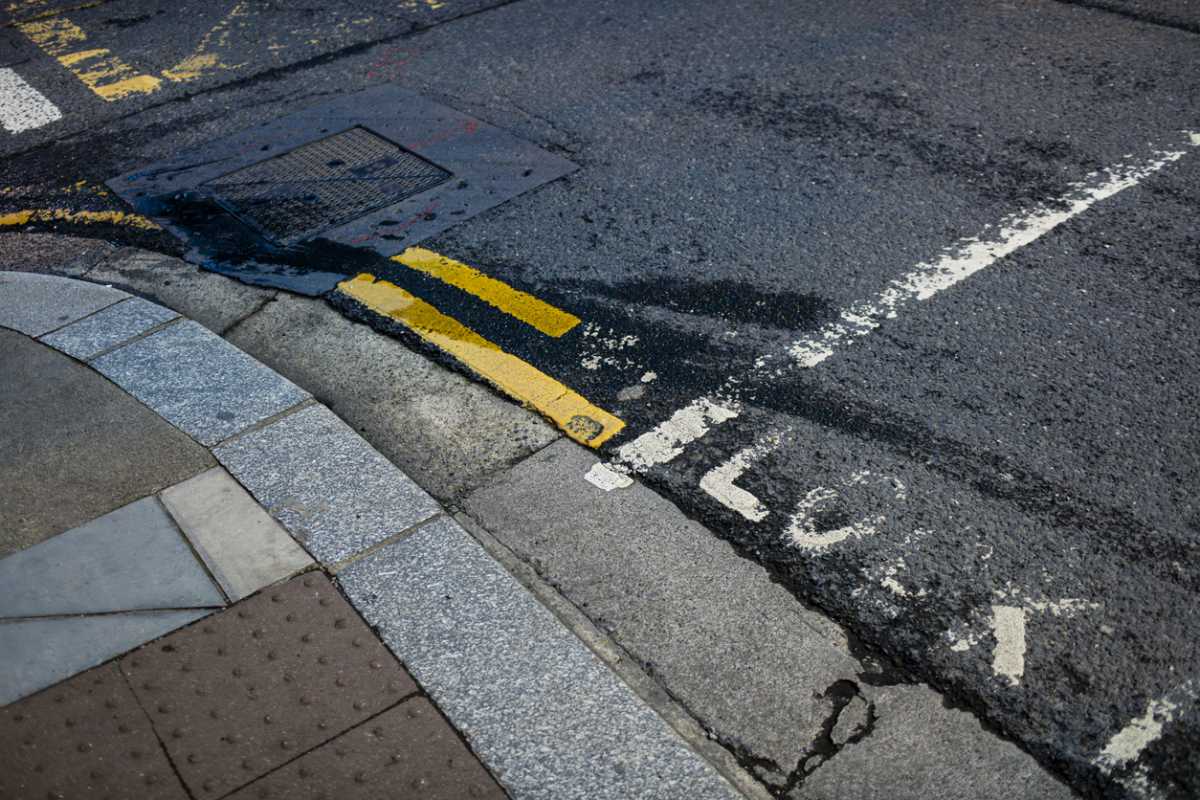
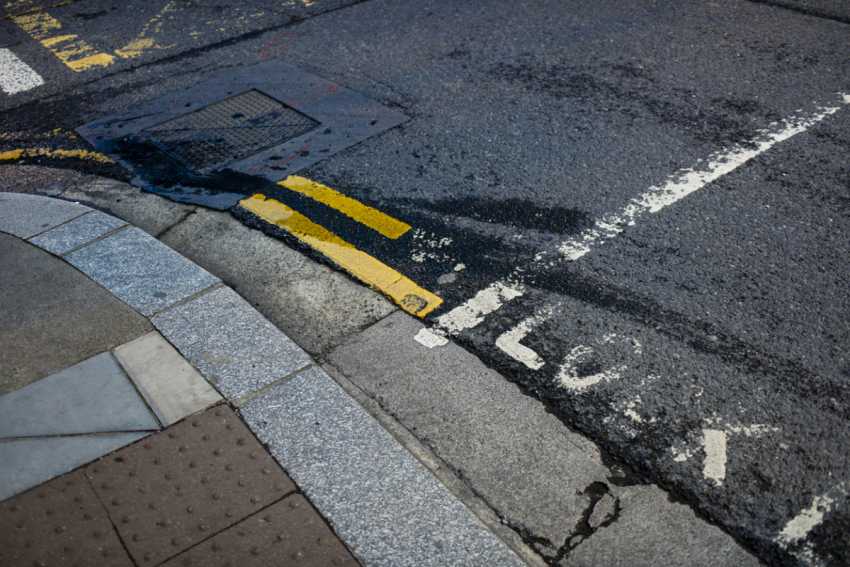
One in six drivers say they’ve narrowly avoided a crash because of worn-out road markings, new RAC research has revealed, and many are calling for urgent action.
The RAC described the findings as “frightening” and wants the Government to work with councils to tackle the issue before more serious accidents occur.
According to the poll of nearly 1,700 licence holders, 72% think road markings in their local area have got worse over the past five years, blaming cash-strapped councils and poor maintenance.
Nearly two-thirds (63%) say they’ve had to guess where their lane is, while 38% admit ending up in the wrong lane altogether. One in eight drivers has even overshot a junction because markings were too faded to see.
Overall, a huge 92% think disappearing lines have made roads more dangerous, with motorists drifting out of their lane, veering onto the wrong side of the road, or blocking junctions where painted arrows and turn markings have vanished.
RAC head of policy Simon Williams said: “Leaving these most vital markings to just wear away makes no sense whatsoever. While there's clearly a cost to maintaining them, the cost of letting them disappear doesn't bear thinking about."
The survey found the most commonly faded markings are the white centre lines that divide lanes - half of respondents said these have almost vanished where they live. Arrows on roundabouts and junctions (48%), ‘give way’ markings (44%), yellow boxes (43%), stop lines (41%) and painted speed limits (36%) are also fading fast.
About one in five drivers say bus lanes, cycle lanes, and zebra crossings are barely visible anymore, with many admitting this has led to near misses, confusion and even arguments behind the wheel.
The RAC’s separate report found that faded road markings now rank among the top safety concerns for UK drivers, just behind potholes. In fact, 84% believe simply repainting them would make roads much safer.
Williams added: "It's frightening to think almost one in five drivers have had a near-miss as a result of faded road markings and more than one in 10 have overshot a junction."