TL;DR: Slovenia has rolled out a nationwide 50-litre daily fuel cap for private cars to curb ‘fuel tourism’ from countries like Austria, where fuel costs much more. The government insists there’s no shortage; this move is about controlling demand caused by cheaper Slovenian fuel prices.
Key Facts
- 50 Litres – The new daily purchase limit for petrol and diesel for private cars across Slovenia.
- €1.47 – The government-capped price for a litre of Euro-super 95 petrol in Slovenia.
- €1.80 – The approximate cost of the same litre in Austria, sparking “fuel tourism.”
- Robert Golob – Slovenia’s Prime Minister says the country’s fuel reserves are full despite rationing.
- 40p Difference – The price gap per litre of diesel between Slovenia and Austria is even bigger than for petrol.
Slovenia introduces nationwide 50-litre fuel cap
Slovenia has become the first EU nation to introduce nationwide fuel rationing, a bold step that’s sending shockwaves through Central Europe. From this week, private car drivers can buy no more than 50 litres of petrol or diesel per day at stations across the country.
Officials have stressed this isn’t about running out of fuel. Instead, the government is fighting back against ‘fuel tourism’, where foreign drivers, mostly from Austria, cross the border to stock up on Slovenia’s cheaper, price-capped petrol.
What the 50-litre cap means for drivers
For everyday Slovenian motorists, the rule is simple: 50 litres a day, maximum. That’s just over 11 gallons, meaning anyone driving a large SUV or van won’t be able to fill their tank completely in one stop.
Commercial drivers, farmers, and hauliers do catch a break. They’re allowed a higher daily limit of 200 litres, recognising their role in essential transport and logistics. But for private cars, the cap is now firmly in place and being closely monitored.
Austria vs Slovenia: The price gap at the heart of it
Here’s the real issue: the price gap is huge. In Austria, petrol is currently around €1.80 per litre, while in Slovenia, it’s capped at €1.47. That’s a saving of more than 30 cents per litre, roughly a 22% discount.
To put that in UK terms, that’s around £1.23 per litre in Slovenia versus £1.51 in Austria. Diesel drivers face an even starker contrast, a whopping 40p difference per litre. With savings like that, it’s no surprise Austrian motorists have been crossing the border in droves to fill up.
How the fuel rationing will be enforced
Prime Minister Robert Golob has repeatedly assured the public that Slovenia’s warehouses are fully stocked, urging calm to prevent panic-buying. However, the reality paints a more stressful picture.
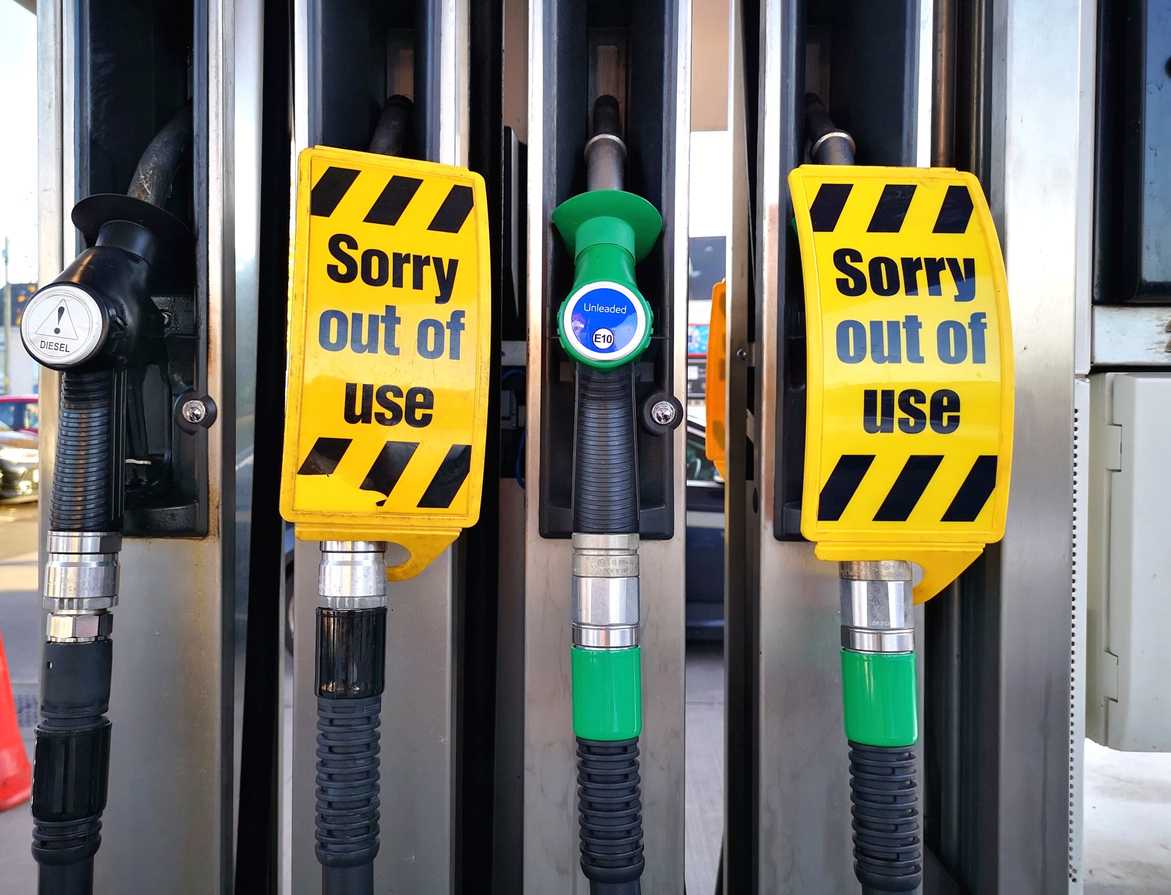
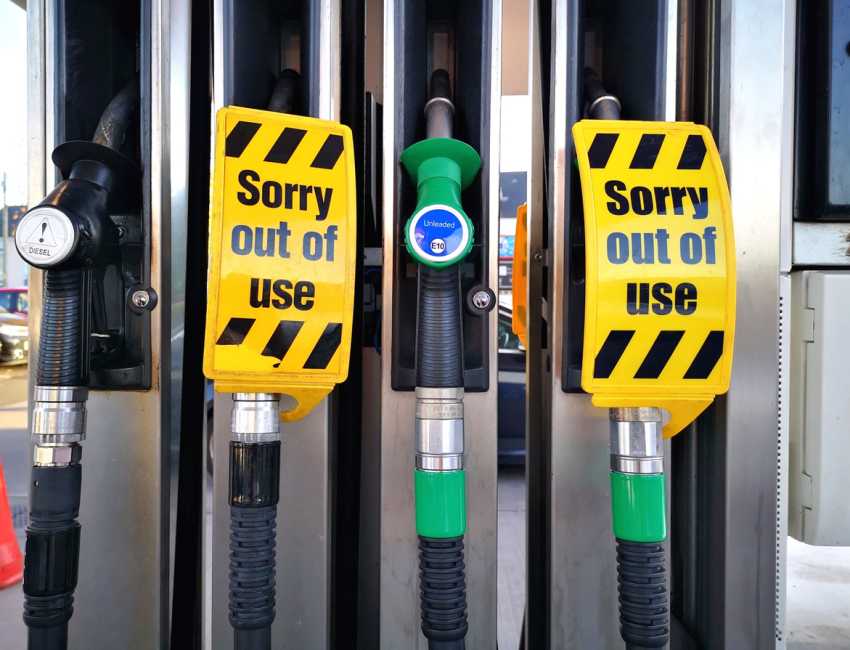
Reports from Sentilj, a busy border town, describe forecourts running dry before midday, with “out of use” signs appearing on pumps due to soaring demand.
The job of enforcing the rationing now lies with petrol station staff, who have to act as unofficial ‘fuel police’. They’ll monitor how much each driver buys, and there’s talk of prioritising local cars over foreign ones, though no clear plan has been announced for how that would work.
What UK drivers should know before travelling
If you’re planning a road trip through Central Europe, these new rules mean you’ll need to plan your fuel stops carefully. Although the restrictions are technically temporary, they’ll likely stay in place until the price gap between Slovenia and its neighbours closes.
It’s a reminder of how sharply government intervention can shape motoring, similar to past fuel supply tensions in the UK, but taken a step further with enforced limits. For now, if you’re stopping for fuel in Ljubljana or near border towns, keep an eye on that pump ticker, 50 litres comes up quicker than you might think.