Update: 10/4/26: UK petrol at £1.57/litre and diesel £1.89/litre is forcing 1 in 7 drivers (14%) to skip meals, per new survey, amid 2026 duty hikes and supply crunches. Drop motorway speeds from 80mph to 70mph for 25% fuel savings – or hit the UK's cheapest pumps listed below for instant relief.
Update 1/4/26: Ryanair CEO Michael O'Leary has cautioned that jet fuel supplies to Europe, including the UK, risk disruption from early May if the US-Israel war with Iran continues, as suppliers monitor the ongoing Strait of Hormuz blockade. While Ryanair has hedged 80% of its needs, the unhedged portion costs nearly double at around $150 per barrel, with a 10-25% supply risk projected for May-June unless the conflict resolves soon. This aviation strain underscores the wider energy crunch threatening all transport sectors, amplifying calls for demand-reduction measures like driving limits.
TL;DR The ongoing Iran conflict is putting pressure on global oil supplies, leading to rising fuel prices and potential shortages in the UK. Experts warn that if disruption continues, the government may need to introduce measures such as driving restrictions or four-day working weeks to reduce demand. Smaller petrol stations are already struggling with high wholesale costs, forcing some to close, while ministers are being urged to act quickly to prevent panic buying and protect essential services.
The UK could be forced to introduce driving restrictions and shorter working weeks if the ongoing Iran conflict continues to disrupt global fuel supplies.
Nick Butler, a former head of strategy at BP and adviser to ex-Prime Minister Gordon Brown, has warned that ministers should begin preparing for potential fuel shortages. One option could see drivers only allowed on the roads on certain days, depending on their number plate.
Another measure could involve encouraging businesses to adopt a four-day working week to reduce commuting and ease demand for fuel.
Butler stressed that if global oil supplies fall significantly, consumption will have to drop too. He believes the government must prioritise essential sectors such as food distribution, healthcare and education, while carefully managing fuel access for the wider public.
Rather than introducing traditional rationing, Butler pointed to softer restrictions already being considered in other parts of the world. These include limiting driving days and reducing working weeks to gradually cut fuel demand.
He also warned that the situation will not improve quickly. Damage to key energy infrastructure in the Middle East - including refineries and gas facilities - could take a long time to repair, even if the conflict ends soon.
The crisis has already begun to impact UK motorists. Fuel prices are rising sharply, with petrol averaging just over 150p per litre and diesel nearing 178p. Supplies are also becoming less reliable in some areas.
Independent petrol stations are among the hardest hit. Many are choosing to close their pumps rather than pass on steep price increases to customers or risk being accused of profiteering. Unlike supermarkets, smaller forecourts often buy fuel at short notice, leaving them more exposed to sudden price spikes.
Some station owners have reported being quoted wholesale prices so high that selling fuel would either drive customers away or result in financial losses.
At the same time, supermarkets have warned of tightening supplies, and queues have been reported at petrol stations across the country.
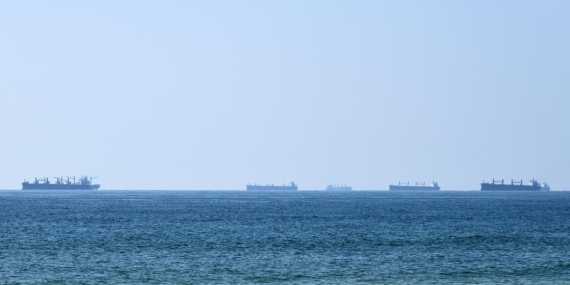
The disruption is largely linked to the closure of the Strait of Hormuz by Iran - a critical shipping route that normally handles around 20% of the world’s oil supply. There are also growing concerns that further escalation in the region could impact other key routes, such as the Suez Canal, potentially pushing prices even higher.
Butler has urged the government to act quickly and communicate a clear plan to avoid panic buying and market instability. He also suggested tighter oversight of fuel companies to prevent unfair pricing during the crisis.
With the conflict showing no signs of easing, both businesses and consumers are bracing for continued pressure on fuel costs - and the possibility of significant changes to daily life in the UK.