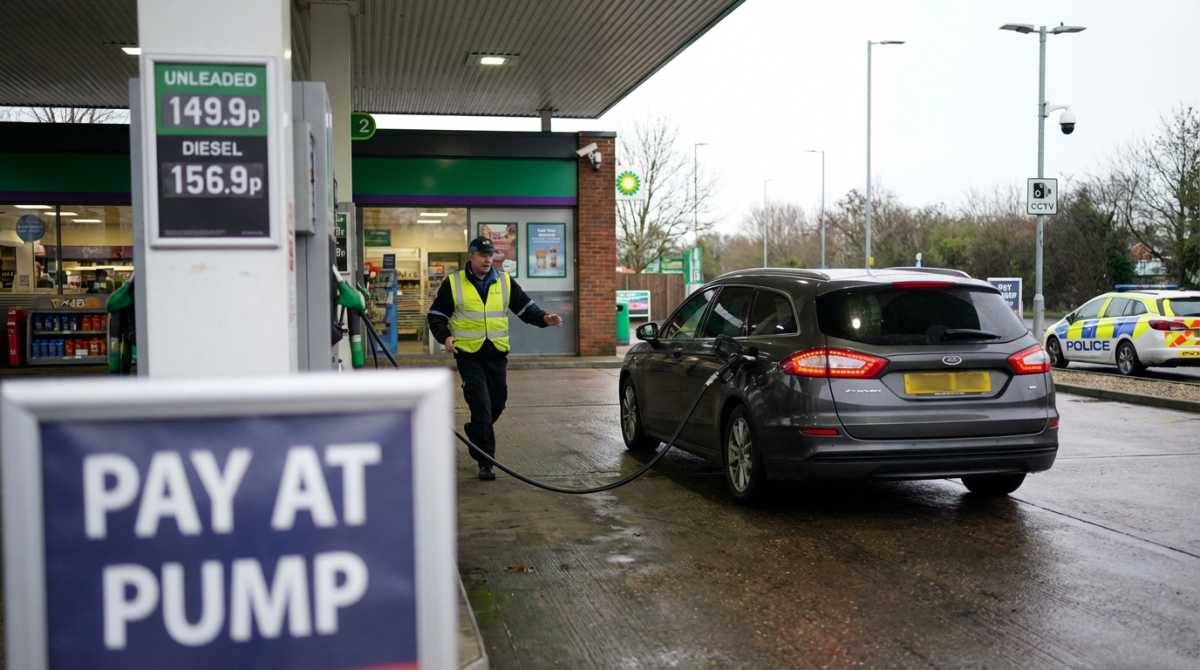
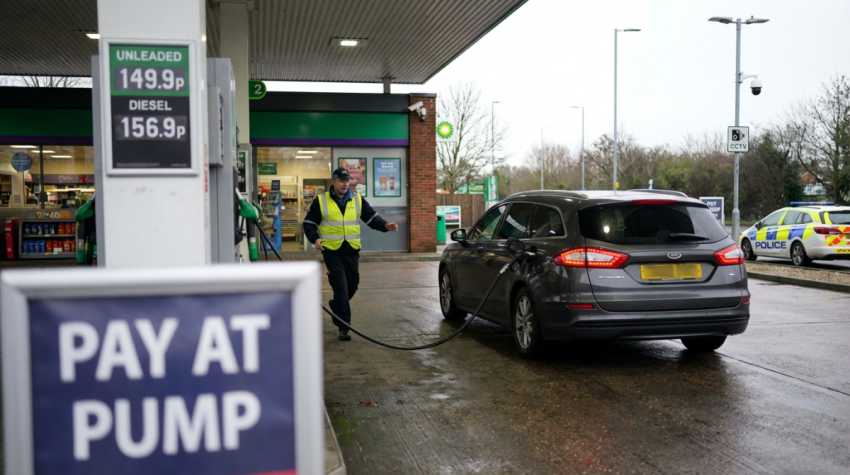
TL;DR: Fuel theft at UK petrol stations has surged by 13%, with around 178 incidents happening every day. A 16% rise in first-time offenders suggests the cost of living crisis is pushing more drivers into difficult decisions, while organised fuel crime is also becoming more dangerous.
Key Facts
- 13%: Increase in fuel theft incidents across UK petrol stations
- 178: Average number of daily cases, including drive-offs and unpaid fuel
- Forecourt Eye: Reports a 20% rise in ‘Means of No Payment’ incidents
- 16%: Increase in first-time offenders linked to financial pressure
Fuel theft is rising and it’s happening daily
Fuel theft across the UK is climbing at an alarming rate, with around 178 incidents recorded every single day. That includes both deliberate drive-offs and cases where drivers simply can’t afford to pay after filling up.
In total, that’s roughly 6,900 litres of fuel disappearing from UK forecourts every 24 hours.
With fuel prices still relatively high, despite some recent stabilisation, many drivers are feeling the squeeze. If you’ve been tracking recent trends in UK fuel prices, you’ll know costs have remained stubbornly elevated following global supply disruptions.
‘I can’t pay’ cases surge by 20%
Not all fuel theft is intentional. According to Forecourt Eye, ‘Means of No Payment’ (MoNP) incidents, where drivers admit they can’t pay, have jumped by 20%.
That’s around 53 people every day finding themselves stuck at the till without the money to cover their fuel.
At the same time, more traditional “fill up and drive off” cases have increased by 10%, now sitting at roughly 125 incidents daily.
Combined, these figures paint a clear picture: this isn’t just criminal intent, it’s also financial strain. The 16% rise in first-time offenders strongly suggests more everyday motorists are being pushed into situations they wouldn’t normally consider.
Why this matters for all drivers
It might seem like a faceless crime, but fuel theft has real consequences.
Independent petrol station owners are often the ones footing the bill, absorbing the cost of stolen fuel. Over time, that loss can feed back into higher prices for everyone else.
If you’re already dealing with rising motoring costs, from insurance to road tax, it’s another pressure point.
The darker side: organised fuel crime
Beyond individual cases, there’s a more dangerous trend emerging.
Organised gangs are now stealing fuel in bulk using large, improvised tanks hidden inside vans. This isn’t just theft; it’s a serious safety risk.
Unlike standard fuel containers, these setups are unstable and highly flammable. In the event of a crash, they could cause devastating fires or explosions.
This shift highlights how fuel theft is evolving from small-scale incidents into a more complex and risky criminal activity.
Will fuel prices ease the pressure?
As of now, average UK fuel prices sit around 157p per litre for petrol and closer to 190p for diesel. While organisations like the RAC expect prices to gradually fall, the relief hasn’t fully reached drivers yet.
Until it does, the combination of high living costs and expensive fuel is likely to keep pressure on motorists and continue driving this trend.