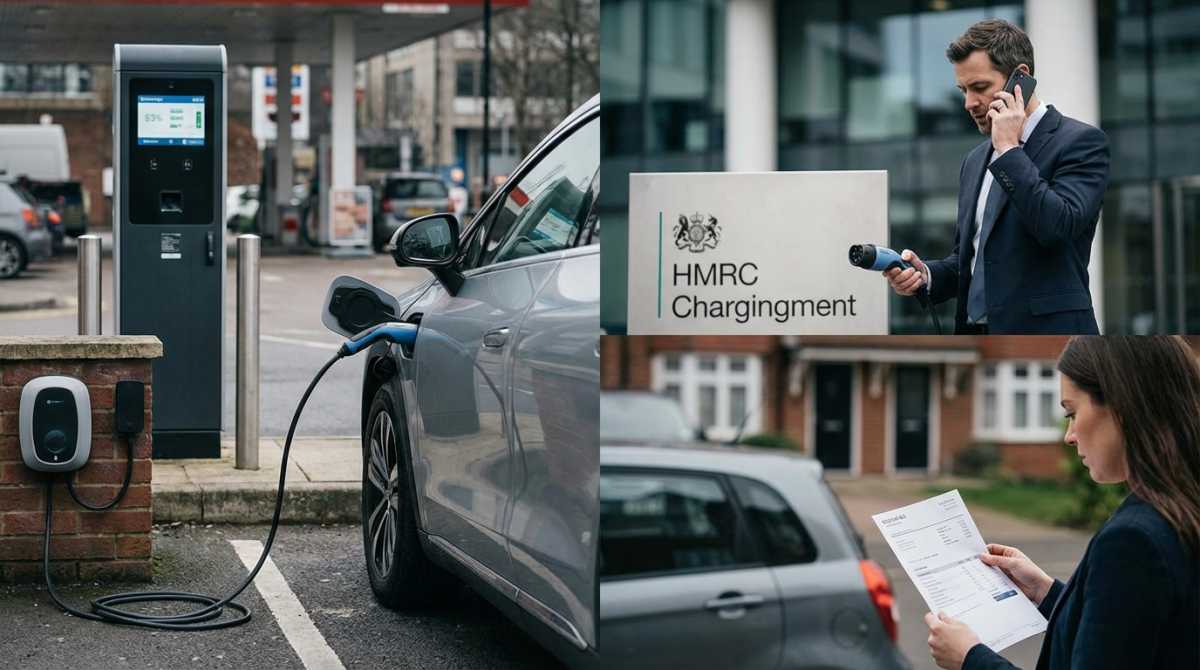
Hopes for cheaper on-street EV charging have hit a roadblock. HMRC is appealing a court ruling that could have cut VAT from 20% to 5% on some public chargers – potentially saving drivers hundreds each year. For now, those savings are stuck in legal limbo.
Key facts
- Public EV charging is currently taxed at 20% VAT, compared to just 5% for home charging
- HMRC is appealing a ruling that could have lowered VAT for certain public chargers
- Chargers using under 1,000 kWh per month may qualify for the reduced rate
- Drivers could save around £5 per full charge on a typical 60kWh EV
EV charging costs: why drivers are frustrated
If you own an electric car but don’t have a driveway, you’re probably already feeling the pinch. While home charging benefits from a low 5% VAT rate, using a public charger means paying a much higher 20%, for exactly the same electricity.
This pricing gap has often been dubbed the “pavement tax”, and it disproportionately affects urban drivers. If you're new to EV ownership, it’s something to factor in alongside other costs covered in our guide to running an electric car in the UK.
The court ruling that could have changed everything
A recent tribunal ruling offered real hope. It centred on a technical rule known as the “de minimis” threshold – basically, if a charger supplies less than 1,000 kWh per month, it could be treated like a domestic energy supply.
Many on-street chargers, especially lamppost and kerbside units, fall into this category. That means they could qualify for the lower 5% VAT rate.
For drivers, the impact would have been immediate. Charging a 60kWh EV like a Tesla Model Y or Kia Niro EV could have been around £5 cheaper per full charge. Over a year, that’s easily £250+ saved for regular users.
HMRC appeal puts savings on hold
Just as momentum was building, HMRC stepped in. The tax authority has confirmed it will appeal the ruling, arguing that all public charging should remain at the standard 20% VAT rate.
That decision effectively freezes any price changes. Until a higher court reviews the case, drivers won’t see any reduction, and that process could take months, if not longer.
Not all chargers would get cheaper
Even if the ruling is eventually upheld, it won’t apply everywhere. Ultra-rapid chargers, like those at motorway services, use far more than 1,000 kWh and would still be taxed at 20%.
So this isn’t a blanket price cut. It’s targeted at slower, local chargers used for overnight or regular top-ups, often the only option for drivers without off-street parking.
Why this matters for EV adoption
Around 40% of UK households don’t have access to a private driveway. For these drivers, public charging isn’t a backup; it’s a necessity.
That’s why industry experts and campaigners are frustrated. The cost gap between home and public charging remains one of the biggest barriers to switching electric, despite wider incentives and growing infrastructure.
For now, it’s a waiting game. The outcome of HMRC’s appeal could shape the future affordability of EV ownership, especially for drivers who rely on the street outside their home rather than a charger on their driveway.