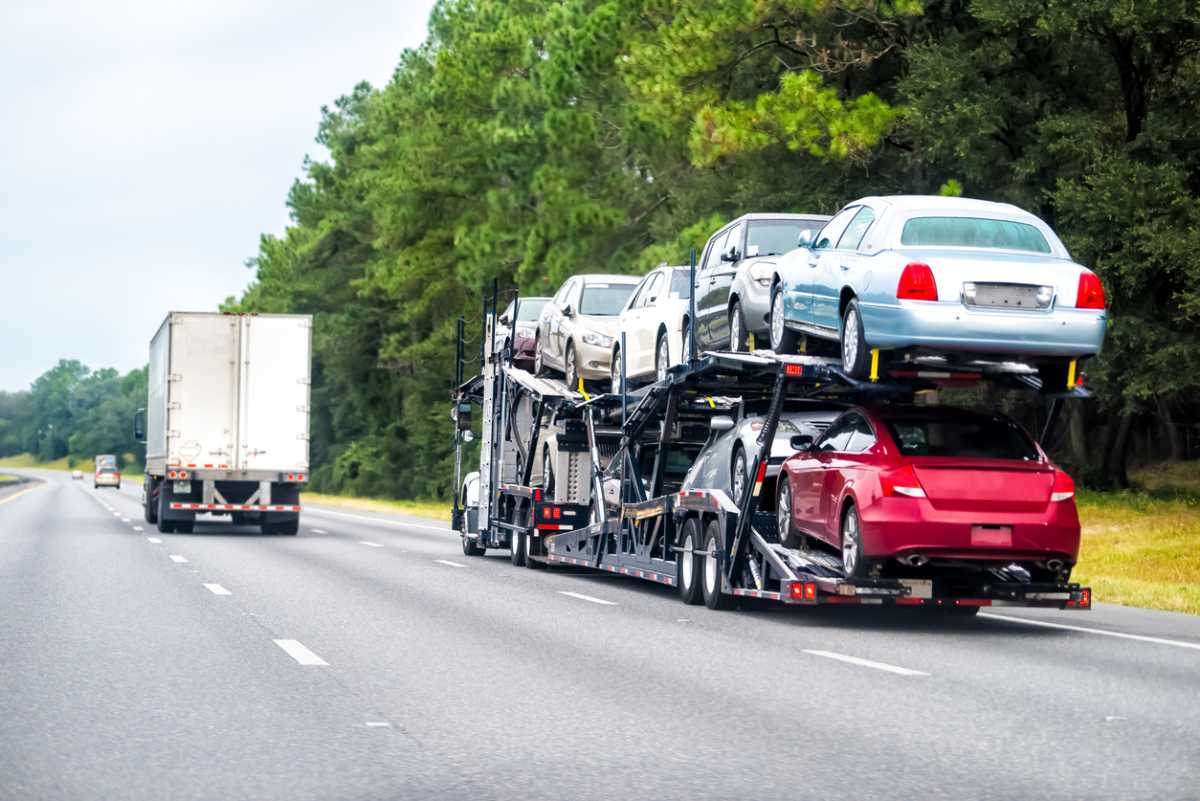
TL;DR: The latest SMMT data shows UK car production has fallen to a 73-year low, which means most new cars bought by British drivers are now imported rather than built here. Depending on the brand and where it’s made, your new car could travel anything from a few hundred miles to more than 10,000 miles before it reaches your driveway.
The story starts before you ever get the keys
When you buy a new car, it can feel like the journey begins at the dealership. In reality, that car may have already crossed countries, seas and ports before it ever reaches you.
For many drivers, the badge on the bonnet only tells part of the story. The real question is: where was it made, and how far did it have to travel to get here?
That matters more than ever, because the UK car market is now heavily dependent on imports. And with supply chains stretched, shipping costs rising and production changing worldwide, the journey from factory to forecourt is having a bigger impact on buyers than most people realise.
UK car production has hit a 73-year low
The latest SMMT figures show UK car production fell to 717,371 units in 2025, the lowest level since 1952. That is a huge drop, and it highlights just how much the UK automotive landscape has changed.
It also creates a strange contrast. Britain still builds world-class vehicles, but most of those cars are not actually sold here. Around 79.1% of cars built in the UK are exported, which means the cars rolling off British production lines are far more likely to end up overseas than on UK driveways.
So while we still produce cars here, the showroom reality is different. The UK buyer is increasingly looking at a global market, not a domestic one.
Where are new cars made?
The answer depends on the manufacturer, but most popular models sold in the UK now come from factories across Europe and Asia.
European-built cars often have the shortest route to the UK. Germany, Spain, France and the Czech Republic are major production hubs for cars that British drivers see every day.
But plenty of new models also come from much farther away. Japanese, Korean and Chinese factories all play a major role in supplying the UK market, especially as electric vehicle demand grows.
That means the journey behind your next car could be relatively short, or surprisingly long.
How many miles does a car travel?
A car made in Europe may only need to travel a few hundred miles before reaching the UK. That might involve a combination of road, rail and ferry transport.
Cars coming from North America have a much bigger journey, often around 3,500 to 4,500 miles across the Atlantic.
And for vehicles built in Asia, the mileage can be eye-watering. A car shipped from a major manufacturing hub like Shanghai can travel around 10,500 nautical miles via the Suez Canal before it reaches a UK port. If shipping routes are disrupted and vessels need to divert around Africa, that journey becomes even longer.
In other words, the car on your driveway may already have done more miles than you will put on it in the first few months of ownership.
Why does this matter to buyers?
Because those miles are not free.
Every step in the journey adds cost - shipping, fuel, port handling, insurance, customs, storage and final delivery all play a part. When global freight gets more expensive, some of that pressure can feed into the price of the car you pay for.
It can also affect supply. If a model is coming from the other side of the world, any delay at sea, at port or in the production chain can slow down how quickly it reaches UK stock.
That is one reason some new cars feel harder to get hold of than others, especially when demand is strong.
The hidden delivery charge
If you have ever looked at a new car invoice, you will have spotted a delivery charge. This is usually somewhere between £600 and £1,000, and it covers the real-world cost of getting the car from factory to dealer.
That fee often includes:
- Port handling, when the car is unloaded and processed.
- Pre-delivery inspection, to check for any damage or issues.
- Inland transport, which is the final road journey from the port to the dealership.
So when you see that charge, it is not just a random extra. It reflects the last stage of a long and complicated journey.
EVs are changing the map
The rise of electric cars has made the global supply chain even more important.
With demand for EVs climbing, more cars are now being built in large manufacturing centres overseas, particularly in China and across Europe. That means the UK is not only importing more cars, but also importing more of the future of motoring.
For some drivers, that creates an interesting balancing act. A car may have travelled thousands of miles to get here, yet still offer lower emissions over its lifetime than a petrol equivalent.
So the full picture is not always as simple as looking at factory distance alone.
How to check where your car was made
If you want to know where your own car came from, there is a simple way to find out.
Look at the first character of the VIN, or Vehicle Identification Number. That character indicates the country of origin.
For example:
- S = UK
- W = Germany
- L = China
It is a small detail, but it gives you a better idea of your car’s backstory before it even reaches your driveway.
What this means for the market
The UK car market is more global than ever. That gives buyers more choice, more technology and more variety, but it also means the journey from factory to forecourt is longer and more complex.
For drivers, that can influence price, availability and even the kind of car that makes most sense to buy. For manufacturers and dealers, it means staying flexible in a market where production, shipping and demand are constantly shifting.
The bottom line is simple: the car you buy today may have come from far beyond the UK, but its journey is now part of the story.