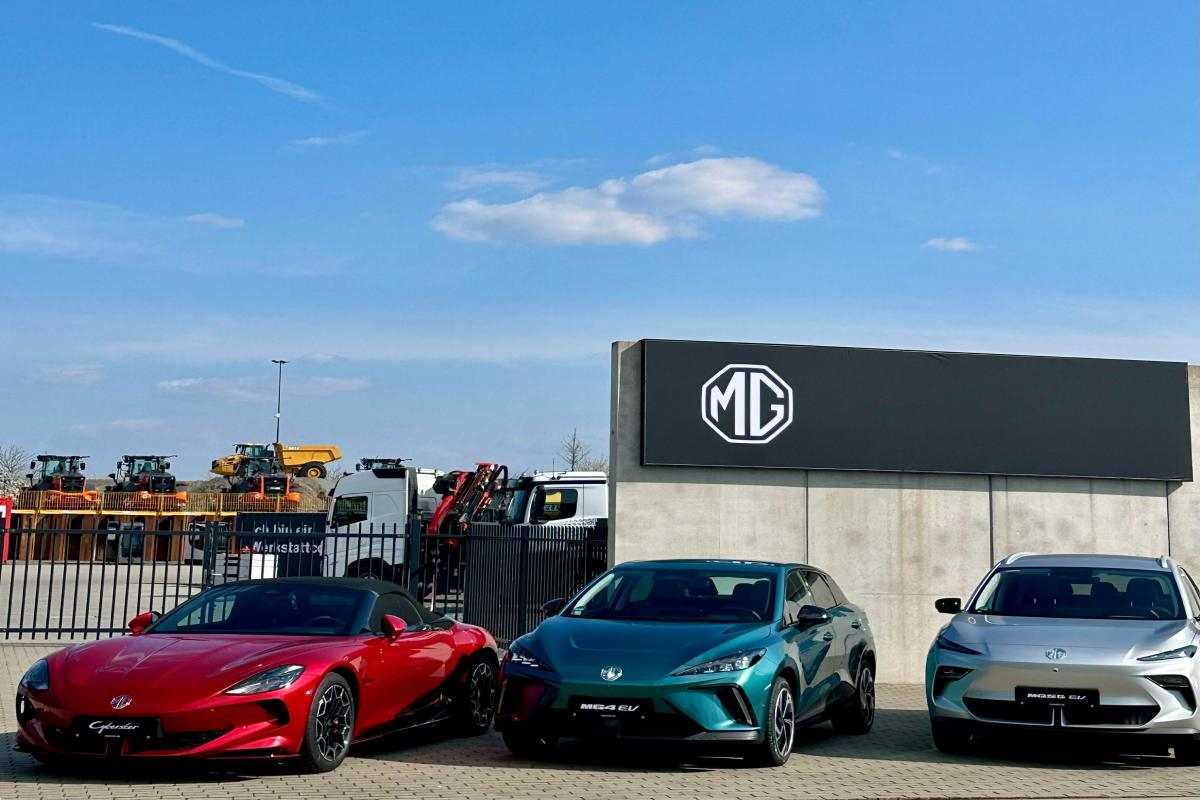
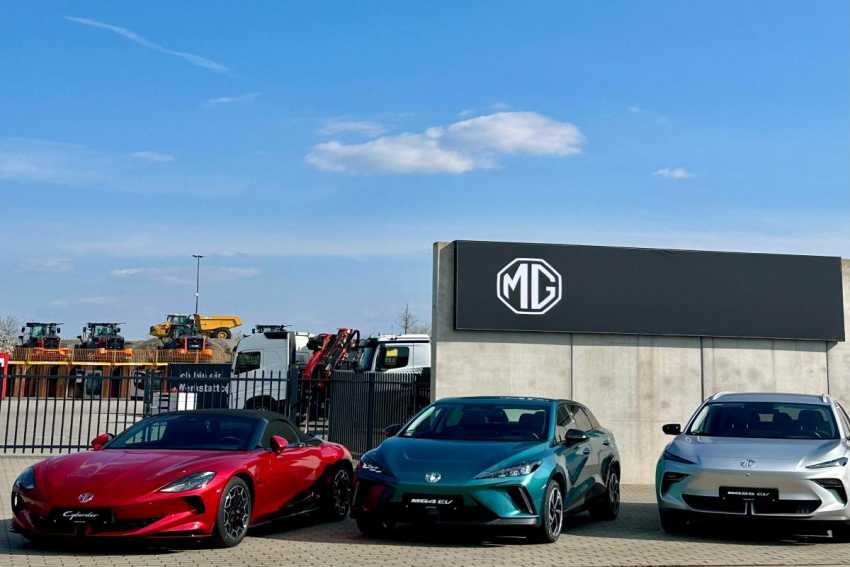
Q: Tell us about MG's design direction and what the future holds for the brand.
Kabaň: MG is focused on delivering the right products across a wide range of segments, and design plays a key role in that. Our ambition is to create cars that stand for innovation, bring genuine joy, and remain accessible to a broad audience. Accessibility is very important to us - it's not just about price, but about making design that feels open, welcoming, and easy to understand.
Looking ahead, we want to continue evolving our design language so that it remains fresh and relevant, while still being recognisably MG. That balance between innovation and familiarity is crucial. We don't want to create something that feels alien - we want people to connect with it immediately, but also discover new details over time.
Q: Are you targeting a specific audience, such as families, or a broader demographic?
Kabaň: Diversity represents a major opportunity for us. MG is a truly global brand, present in many countries, and that means our audience is incredibly varied. We have a long heritage and one of the oldest automotive communities, which brings both pride and responsibility.
From a design perspective, we aim to create cars that are not polarising. Instead, we focus on bringing people together - vehicles that feel emotional, approachable, and relevant to different lifestyles. Whether it's a young professional, a family, or someone buying their first electric vehicle, the car should feel like it fits naturally into their life. That universality is something we think about constantly.
Q: What has it been like joining such a historic British brand?
Kabaň: It's a very unique experience. I've worked with many iconic brands throughout my career, and each one has taught me something different. MG, however, has a particularly strong emotional connection with people, especially in the UK. Many individuals have personal memories tied to the brand - whether that's owning a car or even working on one themselves.
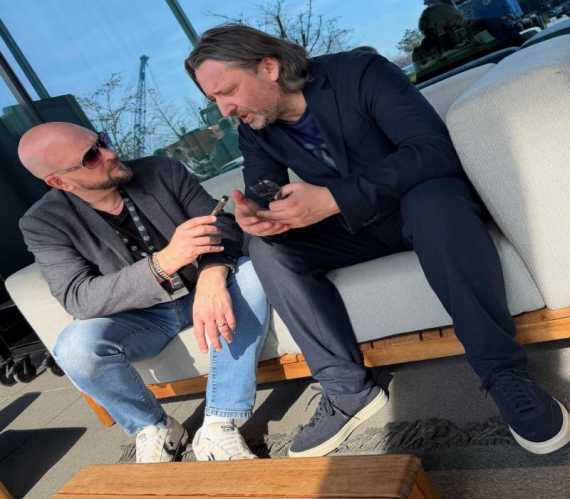
At the same time, MG today is a very international organisation. We have a major design studio in London, alongside strong teams in Shanghai and Japan. This combination of heritage and global perspective is what makes MG special. It allows us to respect the past while also embracing new ideas and influences from around the world. That blend is reflected in the cars we create.
Q: Do you have a favourite MG design?
Kabaň: That's always a difficult question because each project is important in its own way. MG wouldn't be MG without iconic models like the MG MGB, which represent the spirit and heritage of the brand.
Every new car we develop is a kind of milestone. Each one has a clear purpose and a specific audience in mind. If a design successfully fulfils that purpose - if it connects with people and enhances their experience - then it becomes a favourite in its own way. For me, it's less about choosing one car and more about the journey of continuously creating and improving.
Q: What are your thoughts on newer models like the MG4 Urban?
Kabaň: The MG4 EV range is quite unique because we offer two very different interpretations within the same segment. One version leans more toward sportiness and performance, appealing to drivers who want a more dynamic experience. The Urban model, on the other hand, is designed with everyday usability in mind.
The MG4 Urban takes inspiration from more expressive and emotional design cues, but translates them into a practical and accessible package. It offers strong interior space, efficient packaging, and a technical foundation that supports modern lifestyles. At the same time, the design remains harmonious and approachable - it doesn't try to overwhelm, but instead creates a sense of balance. That's very important for a car that people will use every day.
Q: As a designer, how does working with electric vehicle technology affect your creativity?
Kabaň: The design process has changed significantly with the rise of electric vehicles. In the past, design was often more focused on the exterior surface, but today it's deeply integrated with technology from the very beginning. We collaborate closely with engineering teams to shape everything from the layout of the interior to how the vehicle functions in daily use.
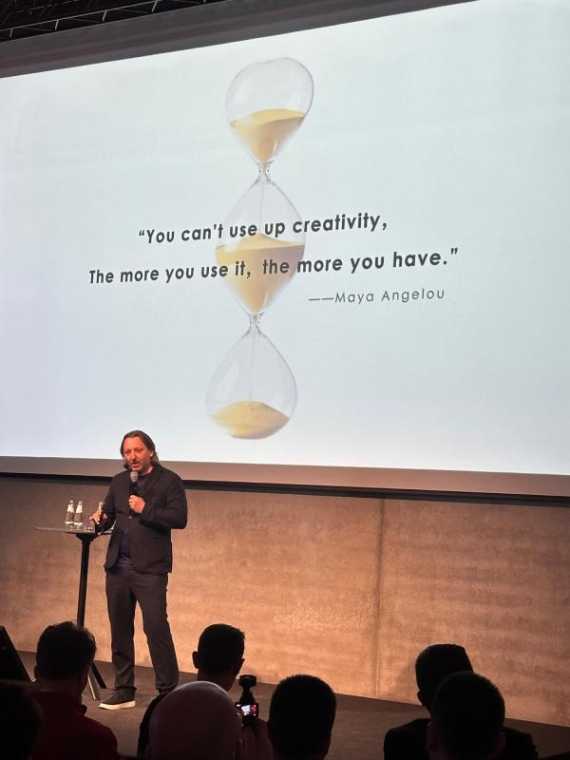
Electric vehicles actually open up more possibilities for creativity. Without the constraints of traditional powertrains, we can rethink proportions, improve space utilisation, and create new types of user experiences. It's not just about making something look different - it's about making it work better for people. That's where design becomes truly meaningful.
Q: How do you feel about other brands potentially taking inspiration from MG designs?
Kabaň: I see inspiration as a natural and positive part of the creative process. In any design field, people observe, learn, and build on each other's ideas. That's how progress happens. It only becomes a concern when originality is not acknowledged or when something is directly copied without adding new value.
For me, the goal is always to contribute something new - to move the conversation forward. If our work inspires others, that can actually be a sign that we're doing something right. It can also help push the entire industry to evolve, which ultimately benefits customers.
Q: Does music influence your design work?
Kabaň: Music is definitely an important influence, particularly when it comes to the in-car experience. Today, we're placing much more emphasis on sound quality and how people interact with audio systems inside the vehicle. It's part of creating a more immersive and enjoyable environment.
On a broader level, design is always a collaborative process, and that means drawing from many different influences - music, art, architecture, and culture. This diversity helps us better understand the world our customers live in. Personally, I listen to a wide range of music, often British artists, but it really depends on the mood and the moment. That variety is something I value, both in music and in design.