TL;DR: The Labour road safety strategy 2026 proposes significant changes to UK driving laws, including mandatory eye tests for drivers over 70 during every three-year licence renewal. Key updates involve consulting on lower drink-drive limits for England and Wales to align with European standards, introducing 'alcolocks' for repeat offenders, and implementing a minimum learning period of up to six months for learner drivers. These measures aim to reduce road fatalities by two-thirds by 2035.
The UK Government has just pulled the curtain back on the Labour road safety strategy 2026, and it’s the biggest shake-up we’ve seen in over a decade. This isn't just a bit of tinkering around the edges; it’s a full-scale plan to slash road deaths and serious injuries by two-thirds by the time we hit 2035. If you’re behind the wheel in England or Wales, these changes are going to land on your doorstep sooner rather than later.
What are the new driving rules for over 70s in the UK?
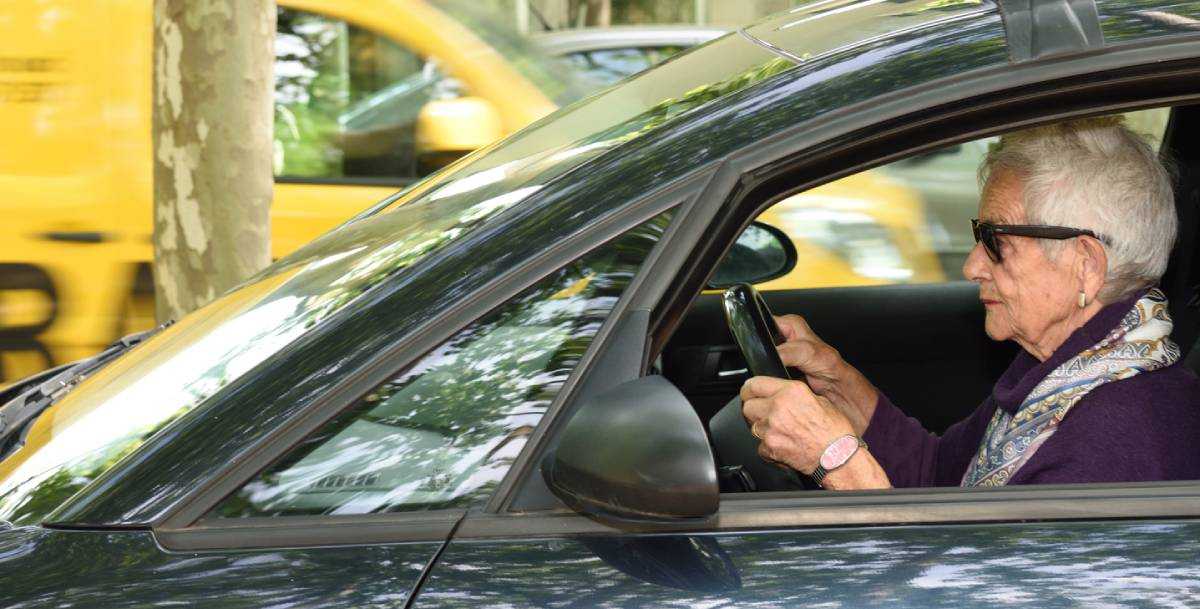
If you’re over 70, the days of just ticking a box to say your vision is fine are likely coming to an end. Under the current law, you simply self-declare that you can read a number plate from 20 metres. However, the Labour road safety strategy 2026 proposes mandatory eye tests for over-70s every time you renew your licence, which is usually every three years.
It’s a move that’s sparked plenty of debate. While it’s designed to keep everyone safe, it means that failing a professional eye test could result in an immediate loss of your licence. There’s even talk of introducing cognitive tests for older drivers further down the line to check for early signs of conditions that might affect reaction times. It’s a tough pill to swallow for those who rely on their cars for independence, but the Government is betting on it saving lives.
UK drink-drive limit changes: A shift in the culture
England and Wales have long had some of the highest drink-drive limits in Europe, but that’s about to change. The Government is launching a consultation to bring our limits down, likely matching the stricter standards seen in Scotland and much of the EU.
Current vs. Proposed Drink-Drive Limits
Current Law: 80mg of alcohol per 100ml of blood (England & Wales).
Proposed Change: A reduction to 50mg (or lower), meaning even a single small glass of wine could put you over the limit.
Novice Drivers: A potential 'zero-tolerance' or near-zero limit for those who’ve recently passed their test.
To catch those who won't play by the rules, the strategy introduces alcolocks for repeat offenders. An alcolock is an electronic breathalyser wired into a car’s ignition; if you don't blow a clear sample, the engine simply won't start. It’s a practical, tech-heavy solution to a problem that’s persisted for decades.
New hurdles for learner drivers
Passing your test might be about to get a lot more time-consuming. The strategy suggests a minimum learning period for learner drivers. Instead of cramming for a few weeks and booking a test, you might be required to hold a provisional licence for three to six months before you can even think about the practical exam.
This is all about building 'road miles' and experience. We’ve all seen how different driving feels in the pouring rain or at night; this rule ensures learners don't just learn to pass a test, but actually learn how to drive.
Cracking down on 'Ghost Plates' and lawbreakers
Ever seen a car with a weirdly reflective or distorted number plate? Those are ghost number plates, designed to trick ANPR (Automatic Number Plate Recognition) cameras so drivers can dodge speeding fines or ULEZ charges. The 2026 strategy includes a massive crackdown on these, alongside tougher penalties for driving without an MOT or insurance.
Is this law yet?
It’s vital to distinguish between proposed changes and current law. Right now, these are proposals within a strategy document and public consultations. They aren't the law of the land today, but they represent the roadmap for road safety laws in England and Wales over the next few years.
Whether you're a learner, a veteran driver, or someone who enjoys a pint at the local, the Labour road safety strategy 2026 is going to change your relationship with the road. It’s a bold move toward those UK road safety targets 2035, and it’s clear the Government is prioritising safety over convenience.