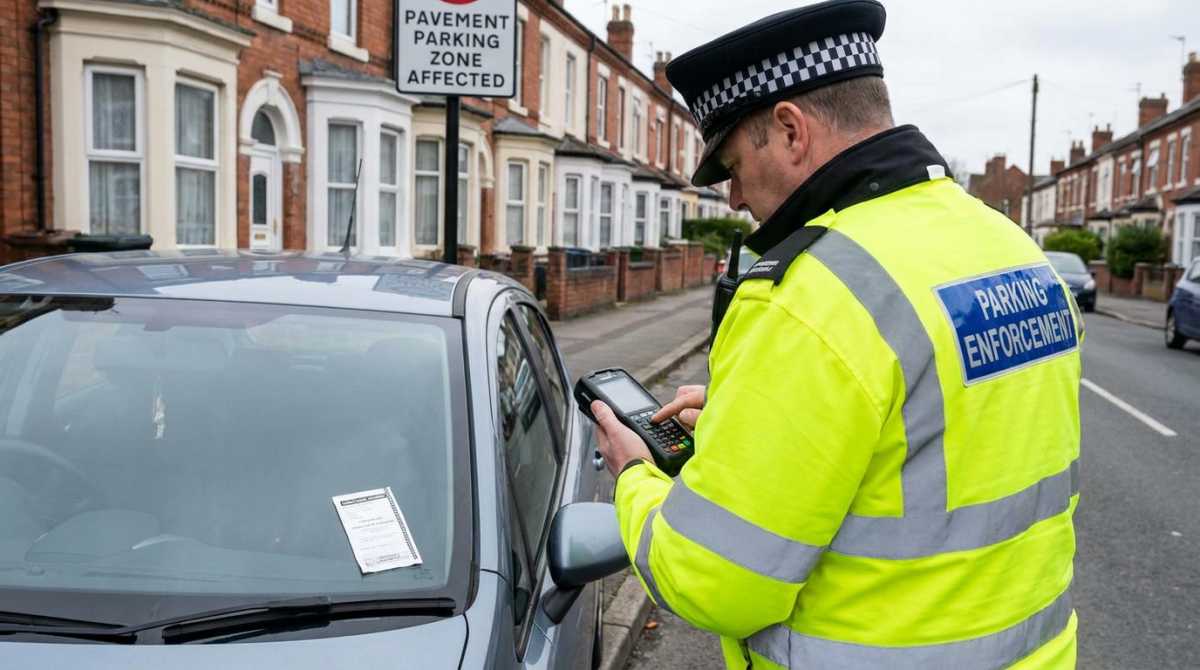
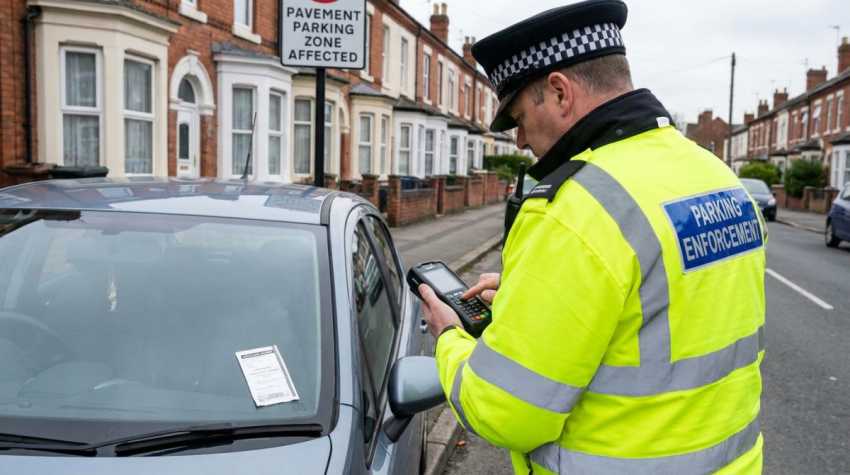
TL;DR: New government legislation confirms local councils across England will gain the power to enforce pavement parking rules, taking over from the police by late 2026. Drivers caught blocking footpaths can expect fines similar to London's, which range from £60 to £130.
Key Facts
- By late 2026, civil enforcement officers in England will have full legal authority to issue fines for pavement parking.
- £60 to £130 is the expected fine range for blocking footpaths, mirroring the current penalty system in London.
- 83% of UK drivers support a ban on pavement parking, provided sensible exemptions are made for narrow streets, according to RAC data.
- The English Devolution and Community Empowerment Act is the key piece of legislation granting local authorities these new parking powers.
- The Crime and Policing Act 2026 has been introduced, making it a specific criminal offence to possess or sell 'relay attack' car theft gadgets.
England confirms new pavement parking fines from 2026
After years of back-and-forth, it’s now official – local councils across England will soon have the power to fine drivers for pavement parking.
For anyone who’s ever had to step into the road because a car is blocking the pavement (pushchairs, wheelchairs, dog walkers – you know the struggle), this is a long-overdue change.
Instead of relying on police enforcement, councils will take charge, using civil enforcement officers to monitor and fine offenders. The shift aims to make enforcement more consistent and, crucially, more effective.
This change comes via the English Devolution and Community Empowerment Act, with full rollout expected by the end of 2026. That window gives councils time to set up clear rules, signage, and fair enforcement strategies.
Why the rules are changing
Right now, pavement obstruction technically falls under police responsibility, but let’s be honest, it’s rarely prioritised.
By handing powers to local authorities, the government is aiming for a more practical, everyday solution. Civil enforcement officers are already managing parking issues, so adding pavement parking to their remit makes sense.
The end goal? Safer, more accessible pavements for everyone.
What about narrow residential streets?
This is where most drivers have concerns, and rightly so.
If you live on a tight residential road, parking fully on the street might not be possible without blocking traffic or emergency vehicles. So, will you still be able to park partly on the pavement?
In short: yes, in some cases.
Councils will be able to introduce exemptions for specific streets or zones where partial pavement parking is necessary. The focus isn’t on punishing drivers with no choice; it’s about tackling inconsiderate parking that completely blocks pedestrian access.
Expect clearer markings and local guidance as councils roll this out.
Do drivers actually support this?
Surprisingly, yes.
According to RAC data, 83% of UK drivers back a pavement parking ban, as long as councils apply common-sense exemptions for narrow roads.
Safety groups have also long pushed for stricter rules. Organisations like Guide Dogs highlight how blocked pavements can create serious risks for visually impaired people, forcing them into traffic.
The message is clear: this isn’t just about parking, it’s about accessibility and safety.
How much are the fines?
If you’re caught parking on the pavement where it’s not allowed, it could cost you.
While each council will set its own enforcement approach, fines are expected to match London’s current system:
- £60 to £130 for blocking footpaths
That’s a significant penalty, especially for what some drivers might consider a quick stop. But it’s designed to discourage bad habits and keep pavements clear.
Bottom line: if there’s a marked bay, use it, or risk the fine.
New law targets car theft tech
Alongside parking changes, there’s also a big update for vehicle security.
The Crime and Policing Act 2026 introduces strict new rules targeting ‘relay attack’ devices – tools used by thieves to intercept keyless car signals and steal vehicles in seconds.
Under the new law, it’s now a criminal offence to:
- Own
- Manufacture
- Sell
these devices.
It’s a major step toward tackling modern car theft methods and could help stabilise rising insurance costs for UK drivers.