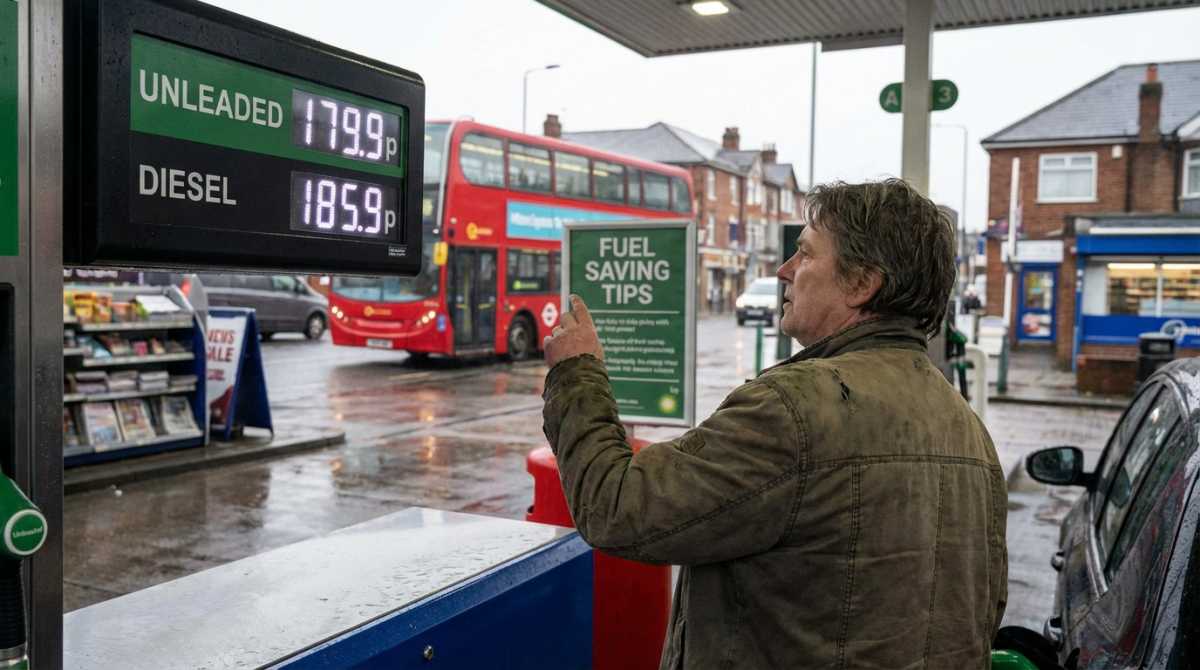
UK fuel prices are still painfully high – petrol now averages £1.57 per litre and diesel a steep £1.89 per litre. With the cost of living crisis biting hard, 14% of drivers say they’re cutting their food budget just to afford fuel. But here’s the good news: a few simple driving habits can cut your fuel consumption by up to 25% and save serious money.
UK fuel price crisis: Drivers forced to choose between food and fuel
Key facts:
- £1.57 – Average UK petrol price per litre
- £1.89 – Average UK diesel price per litre
- 14% – Drivers reducing food spending to afford fuel
- 25% – Potential fuel savings from lowering motorway speed from 80mph to 70mph
- 2026 – Year the planned three‑stage UK fuel duty hike begins
Fuel prices across the UK are showing little sign of relief. According to data from ChooseMyCar, one in seven drivers is now cutting back on their weekly food shop just to keep the car running. For many, it’s not about choice; it’s about getting to work, the school run, or simply staying mobile in daily life.
Petrol currently stands at around £1.57 a litre, while diesel drivers face even higher prices of about £1.89 a litre. These sums are putting unprecedented pressure on household budgets, with experts warning the trend may continue throughout 2026. That’s because a three‑stage fuel duty increase has already been scheduled, further tightening the squeeze.
Want to see what your current car’s worth? Get a free online car valuation with Regit and explore if switching to something more fuel‑efficient could save you money.
Panic at the pumps: Experts urge calm
You may have seen dramatic reports of queues snaking around local forecourts – some stretching over 90 cars long. But while understandably alarming, automotive experts insist there’s no major fuel supply issue behind these scenes.
Nick Zapolski, at ChooseMyCar, reassures drivers that the UK’s petrol stations remain well‑supplied. He warns that panic buying wastes fuel and creates artificial shortages, making matters worse for everyone. The best move? Stay calm, drive smart, and plan ahead rather than waiting until the tank runs dry.
For peace of mind before your next trip, try Regit’s free MOT check or vehicle tax reminder tool to keep your car road‑ready without surprise costs.
How to cut fuel costs by 25%
Even if prices stay high, you have more control over your fuel spend than you might think.
Start with your motorway speed. Dropping from 80mph to 70mph can reduce fuel use by up to a quarter, saving money with barely any difference in arrival time. Using cruise control on flat, open motorways can improve efficiency by another 14%, but remember to switch it off on hills; your engine works harder and drinks more fuel when fighting gravity.
Small changes, big savings: Daily fuel efficiency wins
You don’t need a new car to make a difference – smart habits pay off fast:
- Check your tyre pressures monthly: soft tyres create friction and drag, forcing your engine to burn more fuel.
- Drive smoothly: Imagine a bowl of water on the passenger seat – if it would slosh or spill when you accelerate or brake, you’re probably wasting fuel.
- Lighten your load: Remove roof racks and heavy boot clutter when not needed; the lighter the car, the less effort (and fuel) it takes to move.
If your vehicle still guzzles too much, it might be time to consider upgrading to a hybrid or smaller petrol car. Check your options by valuing your car in seconds on Regit.
Driving smarter, not faster, could be the best financial move you make this year. With fuel duty rises looming, small adjustments like tyre checks, smoother driving, and realistic speeds can add up to significant long-term savings – no sacrifice required.