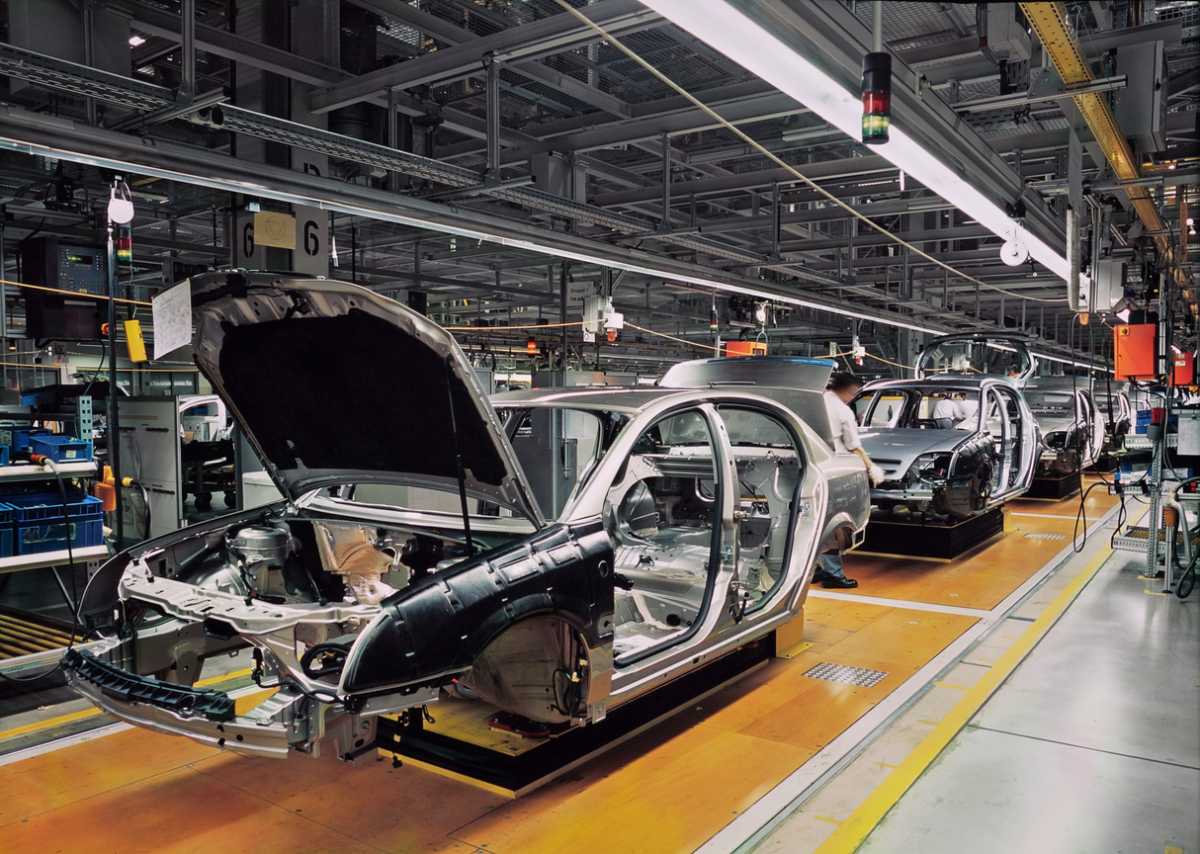
The year hasn't exactly started with a bang for British car plants. According to the latest figures, we've seen a notable vehicle production decline in the UK, with total output sliding by 13.6% in January. Only 67,415 units left the factory gate, a figure that has many in the industry looking over their shoulders. But what’s really behind these numbers?
While passenger car manufacturing held its ground reasonably well at 65,249 units, the commercial vehicle sector took a proper battering. Output there didn't just dip; it fell off a cliff, plummeting by 68.6%. With only 2,166 vans and trucks produced, it marks the tenth consecutive month of sliding volumes for the sector.
Why did things go so south in January? The primary culprit was a major plant undergoing significant restructuring, which essentially throttled capacity. It wasn't just internal tinkering, though. Global demand felt a bit thin, leading to a 10.1% drop in car exports and a staggering 75% collapse in commercial vehicle shipments abroad.
The critical role of EU trade
Our reliance on our neighbours is hard to overstate. The EU remains the absolute lifeblood of the industry, snapping up 62.5% of our cars and a whopping 94% of our commercial vehicles. It’s no wonder trade talks remain such a high-stakes game. Mike Hawes, the SMMT chief, has been quite vocal lately about the 'Made in Europe' proposals. He’s worried, and rightly so, that protectionist rules could shut UK-built cars out of the party.
Business and Trade Secretary Peter Kyle has been busy in Brussels, trying to ensure the UK is treated as a 'trusted partner' in these new schemes. If we get the nod, our vehicles keep their preferential access. If we don’t? Well, things could get very expensive, very quickly.
There's also the massive shift in how we power these machines. The EU recently tweaked its plans for the petrol and diesel ban, moving toward a 90% tailpipe emissions target by 2035 rather than a total block. To make up that final 10%, manufacturers will have to lean on carbon-neutral e-fuels and low-carbon steel.
So, is it all bad news? Not quite. Despite the shaky start and the ongoing UK vehicle production decline, there’s a glimmer of hope on the horizon. Nissan’s massive EV transition in Sunderland is expected to spark a recovery. With seven new electric models hitting the market this year, the SMMT expects car production to bounce back by 10% by December.
What’s needed to reach a million a year
To reach that million-vehicle-a-year goal by 2027, the government needs to step up. We need lower energy bills and a much stronger domestic market. If we don't get the basics right, staying competitive in the global race will be an uphill struggle.