TL;DR: Significant driving law changes in February 2026 include the mandatory Fuel Finder scheme, requiring UK forecourt operators to report live price changes within 30 minutes starting 2 February. This initiative is projected to save motorists between 1p and 6p per litre. Additionally, the DVLA is expanding digital driving licence testing via the GOV.UK One Login app, while the UK automotive sector sees relief as proposed 25% US trade tariffs have been de-escalated.
As of February 2026, a series of major driving law changes are rolling out across the UK, set to directly impact the nation's 40 million drivers. The latest UK motoring legislation for 2026 introduces two significant updates: a mandatory fuel price reporting scheme designed to increase transparency at the pumps and a wide-scale trial of the long-awaited digital driving licence from the DVLA.
These are not minor bureaucratic adjustments. The new rules from the Treasury and the DVLA represent a fundamental shift in how drivers interact with forecourts and prove their identity, with projects that have been in development for years finally going live.
New 'Fuel Finder' Scheme Aims to Cut Petrol Costs
One of the most significant changes is the official launch of the Fuel Finder scheme in the UK, a government initiative targeting the practice known as 'rocket and feather' pricing. This is the frustrating scenario where pump prices soar instantly when wholesale oil costs rise, but fall incredibly slowly when those costs drop.
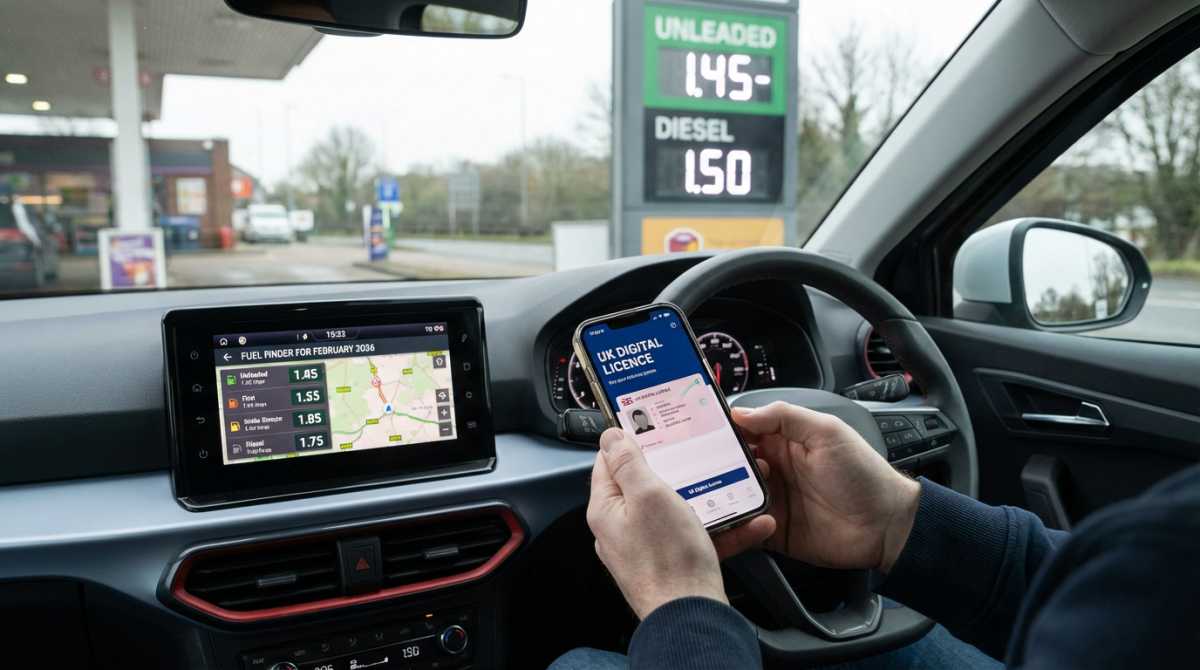
Starting from 2 February 2026, the new UK petrol price reporting rules become legally mandatory. This requires nearly every petrol station operator in the country to report their prices to a centralised database within 30 minutes of any change. The goal is to empower drivers with real-time information, fostering competition and driving down costs.
But will it actually work? The latest data from early trials and government analysis suggests this new level of transparency could put real money back into motorists' pockets. Experts estimate the savings could be between 1p and 6p per litre, a welcome relief for household budgets squeezed by fluctuating fuel costs.
Who Must Comply with the New Rules?
The government has cast a wide net to ensure comprehensive coverage, making compliance non-optional for almost any organisation that sells fuel to the public. This includes:
- Major high street chains and supermarket forecourts.
- Local, independent garages and smaller retailers.
- Unmanned, automated pay-at-the-pump stations.
- Businesses where fuel sales are secondary to their main operations.
The focus is squarely on the retail petrol and diesel market, where price volatility most affects families and commuters. However, there are a few specific exemptions. The rules do not apply to the sale of red diesel for agricultural machinery or fuel sold in containers, such as jerrycans for a lawnmower.
The End of the Plastic Licence? DVLA Digital Trial Begins
Another landmark development this month is a major DVLA digital services update. After years of discussion, the trial for a digital driving licence is finally being rolled out to the wider public in February 2026.
So, how can you get one? Drivers will be able to access their provisional digital driving licence through the GOV.UK One Login app. This secure mobile application is intended to eventually become a permanent and valid alternative to the traditional plastic photocard.
For now, motoring experts and the DVLA itself advise drivers to keep hold of their physical photocard licence as a crucial backup. You wouldn't want a dead phone battery to prevent you from hiring a car or dealing with a roadside check. The digital version is designed to make life easier, removing the need for paper check codes when renting a vehicle or verifying your details.
This digital push is part of a much larger effort by the DVLA to modernise its decades-old systems, bringing them into the 21st century. It's a move that aligns with other upcoming digital-first changes, such as the new VED bands and UK road tax increases slated for April 2026.
Boost for UK Car Industry as Damaging US Tariffs Scrapped
Away from the driver's seat, there is some genuinely positive news for the wider UK car market and its manufacturing sector. Recent headlines had warned of a potential 25% tariff on British cars being exported to the United States, a move that threatened thousands of jobs.
The trade dispute, which bizarrely originated from a disagreement involving Greenland, had cast a dark cloud over the industry. At one point, analysis suggested that as many as 25,000 jobs were at risk if the tariffs were imposed.
Thankfully, recent diplomatic efforts during NATO talks have resulted in a breakthrough. It has been confirmed that the proposed UK car market tariffs have been scrapped entirely. This decision provides a massive sense of relief and stability for British car manufacturers. With the driving law changes in February 2026 making fuel costs more transparent and a stable manufacturing outlook, the landscape for car buying is certainly shifting.