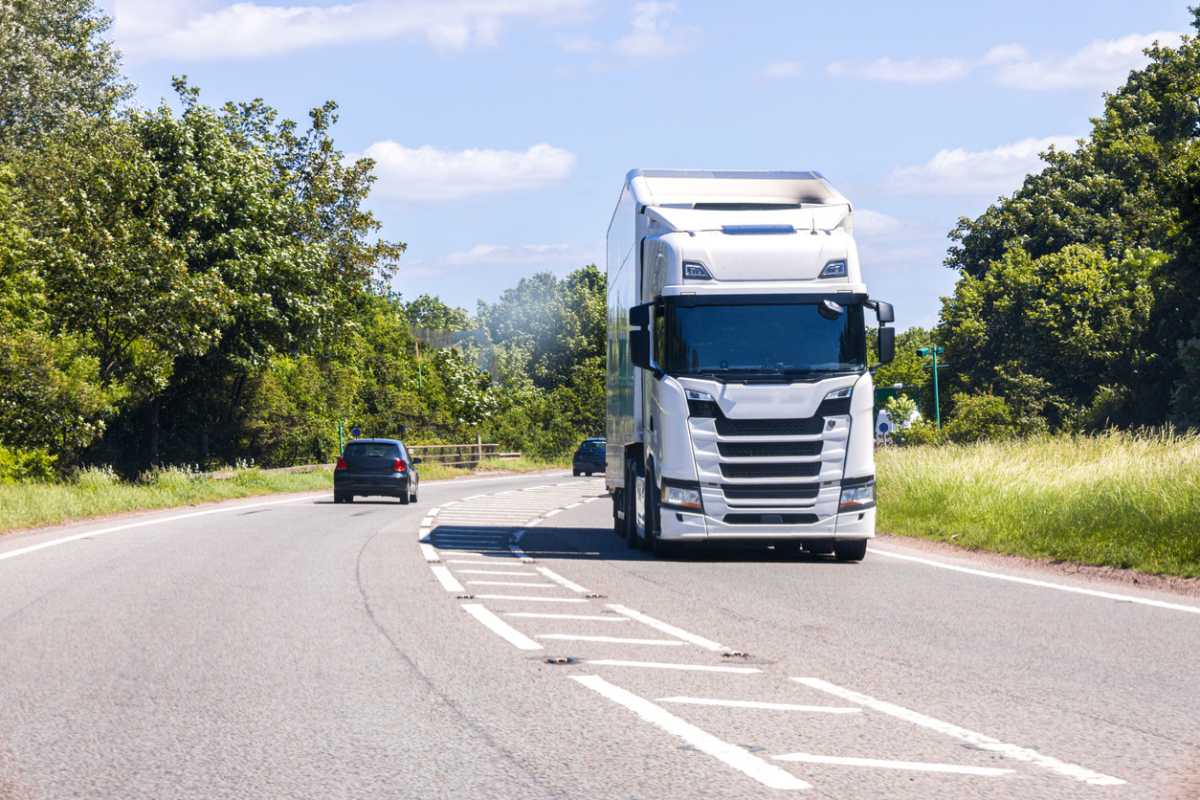
The Labour government has outlined plans to phase out traditional fuel-powered lorries in its bid to achieve net-zero carbon emissions. Under the proposed strategy, all heavy goods vehicles operating on UK roads would need to be fully electric by 2040.
Multiple Pathways to Achieve the Goal
Recent government documents have revealed several potential approaches to reach this target. One proposal involves requiring vehicle manufacturers to meet annual quotas for electric lorry sales, gradually increasing the proportion of zero-emission vehicles they must produce.
A second option would impose progressively stricter carbon emission limits on haulage companies, a model similar to regulations already implemented across the European Union. The third approach would mandate that commercial fleets transition to entirely electric vehicles, with the percentage of electric trucks increasing year by year until reaching 100 per cent compliance.
Opposition Raises Economic Concerns
Critics of the plan have voiced serious reservations about the potential economic impact. Richard Holden, the Shadow Transport Secretary, argues that the government is "sleepwalking into a cost shock for the entire economy."
He contends that forcing haulage companies to prematurely replace functioning vehicles with electric alternatives will substantially increase operational costs. These expenses, he warns, will inevitably be passed down to consumers through higher retail prices, increased construction expenses, and additional inflationary pressure across the economy.
Government Defends Its Position
Transport Minister Keir Mather acknowledged the difficulties the industry faces but remained resolute in the government's commitment. He emphasised that phasing out sales of new non-zero emission heavy goods vehicles by 2040 remains a firm policy objective, reflecting the administration's determination to tackle climate change through the transport sector.