At a glance
- Ministers are reportedly considering extra ZEV mandate credits for carmakers that sell vehicle-to-grid (V2G) cars, The Guardian reported on 26 October 2026.
- V2G lets your electric car charge when power is cheap and sell some back to the grid when demand is high.
- Octopus Energy says its Power Pack V2G add-on could save a driver covering 7,500 miles a year £620 against a standard tariff, and a 2021 trial found some drivers earned up to £725 a year.
- Right now Power Pack only works with a BYD Dolphin and one type of charger, and you need permission from your local electricity network.
- Critics warn the credits could let carmakers sell more petrol cars.
Electric car drivers could save hundreds of pounds a year by letting their car sell electricity back to the grid, and the government is reportedly looking at ways to get more cars that can do it on sale. The Guardian reported on 26 October that ministers are considering rewarding carmakers with extra credits under the zero emission vehicle (ZEV) mandate if they sell vehicle-to-grid (V2G) cars. Octopus Energy says its V2G add-on could already save a typical driver £620 a year, though only one car is compatible with it at the moment.
What is vehicle-to-grid?
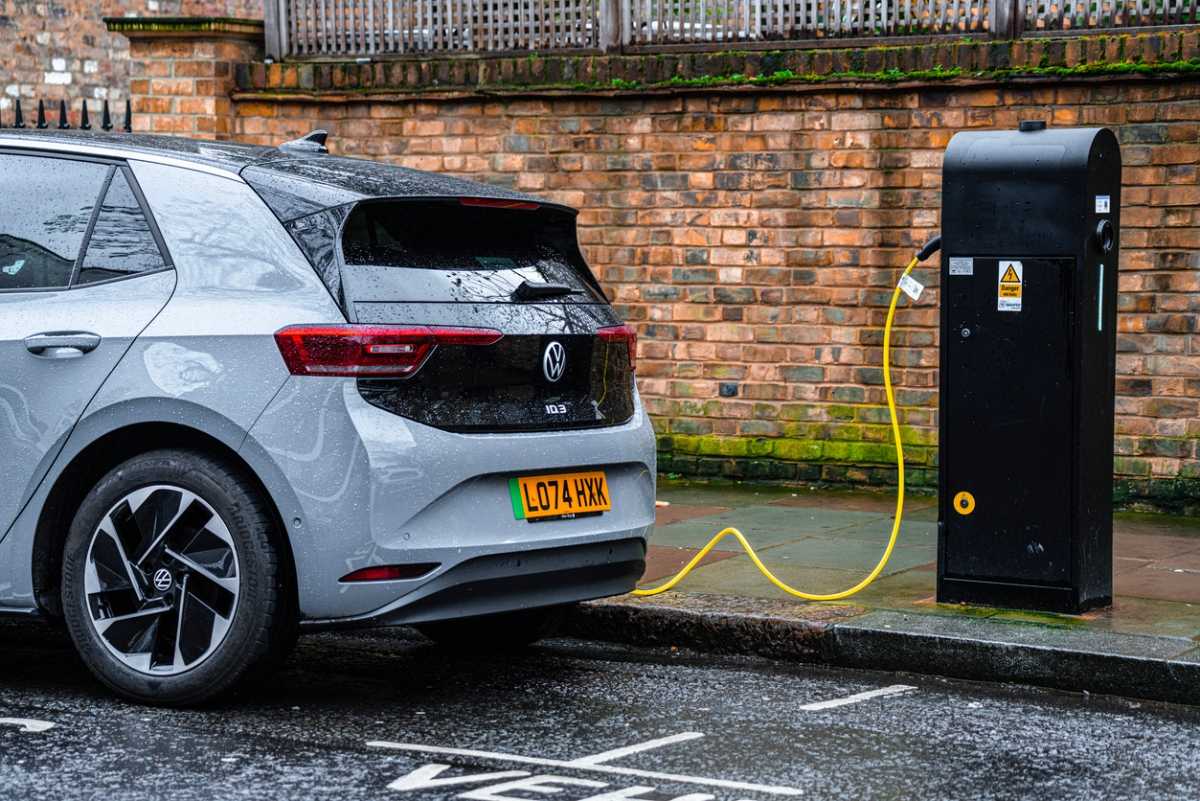
V2G turns your electric car into a battery on wheels. With a two-way charger, the car charges when electricity is cheap, usually overnight, then sends some of that power back into the grid when demand peaks, and your energy supplier pays or credits you for it. You set how much charge the car must keep, so it's still ready when you need it. We've explained the different types of two-way charging in more detail before.
How much could you earn from V2G?
The best-known offer is Octopus Energy's Power Pack, which bills itself as the UK's first V2G tariff. It sits on top of your normal energy tariff and credits back what you pay to charge the car, so your car charging is effectively free. Octopus says a driver covering 7,500 miles a year would save £620 a year compared with its standard variable tariff, or £161 against its Intelligent Octopus Go EV tariff, which tells you a good EV tariff already gets you most of the way.
The £725 figure you may have seen comes from a 2021 trial by OVO Energy, Kaluza and Nissan, where some drivers earned up to that much by leaving their cars plugged in and being paid 30p for every kWh they sent back. None of these figures are guaranteed, and payments could change as more drivers join in.
Can my electric car do vehicle-to-grid?
Probably not yet. Octopus's Power Pack currently works only with a V2G-ready BYD Dolphin and a Zaptec Pro charger, though Octopus says more cars are on the way. You also need a smart meter and a G99 certificate from your local electricity network giving you permission to export power, which Octopus says can take 10 to 45 working days.
There are rules on how you use it too, because Octopus asks you to plug in for 12 hours a day on 20 days a month and to charge no more than 210kWh a month, which is roughly 625 miles. The charger is another hurdle, because by the end of the 2021 trial a V2G charger cost about £3,700 more than a normal smart charger.
What is the government planning?
Under the ZEV mandate, carmakers have to sell a rising share of electric cars each year or pay fines, and they earn credits for every EV they register. According to The Guardian, ministers are considering extra credits for V2G cars, which could encourage more manufacturers to fit the technology. The government has said its commitment to phasing out new petrol and diesel cars by 2030 is "unwavering".
Not everyone is convinced. Ben Nelmes, chief executive of the think tank New AutoMotive, told The Guardian that carmakers "should only be rewarded if it's actually used, not just for fitting it", and warned that each extra credit could be worth around £4,000 to a carmaker. Because a credit can be used to offset petrol car sales, campaigners worry it could let manufacturers sell more petrol cars for longer.
The prize for the country could be big. A 2021 case study published by energy regulator Ofgem said that if half of the almost 11 million electric cars expected on UK roads by 2030 could do V2G, they could provide around 16GW of flexible capacity every day, and research it cited put the potential savings at £3.5 billion a year.
We'll be following what the government decides, so if you'd like to know when V2G cars and tariffs become easier to get, sign up to the Regit newsletter, and we'll keep you posted.
Our verdict
V2G is a clever idea that could really cut the cost of running an electric car, but for most drivers today, a good EV tariff and overnight charging will save nearly as much without the paperwork or the pricey charger. If the government's credits bring more compatible cars and cheaper chargers, that could change quickly, and it's worth keeping in mind if you're choosing an EV and a charger now.