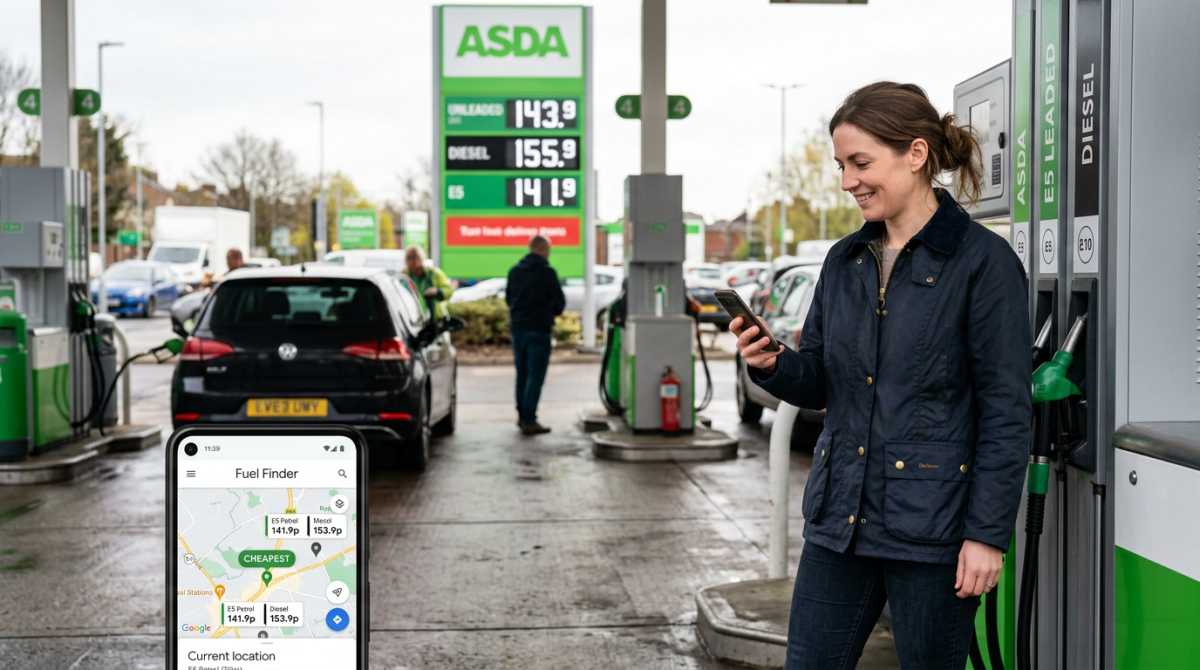
TL;DR: The new Fuel Finder scheme UK mandates real-time price updates from petrol stations, but most third-party apps are failing to display this data correctly. This lag means drivers, despite the new law, could be overpaying by as much as £260 a year by relying on outdated information to find the cheapest fuel.
Key Facts
- £260: The potential annual overpayment for UK drivers who trust outdated information from popular fuel price apps.
- 2 February 2026: The date the government's Fuel Finder scheme officially became UK law, mandating price transparency.
- 4 out of 5: The number of major fuel-finding apps recently found to be displaying stale petrol and diesel prices, according to a What Car? investigation.
- 10p vs 4p: The gap between the recent 10p fall in wholesale diesel costs and the mere 4p drop passed on to drivers at the pump, a discrepancy being monitored by the CMA.
- 96%: The percentage of the UK's 8,350 forecourts now complying with the new 30-minute price reporting rule, though the data isn't reaching drivers effectively.
UK drivers face £260 overcharge despite new fuel finder scheme
As of early 2026, a new law designed to save drivers money at the pump is now in full effect, but the promised relief has yet to materialise for many. The Fuel Finder scheme UK, which officially became law on 2 February 2026, forces petrol stations to digitally report their fuel prices within 30 minutes of any change. The goal was to create total transparency and help drivers find the best deals.
However, the latest data reveals a critical flaw in the system. What this means for drivers is that while the information exists, it's not reaching them. Relying on outdated prices from popular apps could see you overpaying by up to £260 annually, a massive gap compared to the government's optimistic projection of a £40 yearly saving per household.
Why your fuel app might be costing you money
The issue isn't with the petrol stations themselves. An impressive 96% of the UK’s 8,350 forecourts are now complying with the fuel price transparency regulations. The bottleneck, it turns out, is the third-party apps and websites many of us use to find the cheapest petrol stations near me.
A recent deep dive by the experts at What Car? exposed a frustrating reality: four out of five popular fuel price apps were serving up stale prices. Only a single site managed to stay current throughout the day. This delay means you could drive out of your way for a supposed bargain, only to discover the price had jumped an hour earlier. For an average family SUV, that mistake could cost nearly £5 extra for a single tank of fuel.
Regional price gaps and the CMA's watchful eye
The fuel price lottery also depends heavily on where you live. The latest data shows drivers in Northern Ireland are seeing pump prices react much faster to wholesale market shifts compared to those in London and the South East, where prices remain stubbornly high.
Just recently, Scotland was hit with a 1.2p per litre petrol hike, while Wales has seen diesel costs fall more significantly than other regions. These regional disparities haven't gone unnoticed. The Competition and Markets Authority (CMA) is watching these trends closely, especially after wholesale diesel prices fell by 10p while drivers only saw about 4p of that benefit at the pump.
What this means for drivers and how to save
So, with the system still having kinks, how do you actually find the cheapest petrol and diesel prices UK? The advice from experts is to treat the apps as a rough guide, not gospel. The Fuel Finder scheme UK is a huge step forward, but the digital infrastructure supporting it needs to catch up.
If a price on an app looks suspiciously low compared to other nearby stations, it's very likely you're looking at yesterday's news. Before you commit to a detour, your best bet is to cross-reference the price on at least one other app or website. It's the only way to be sure you aren't being overcharged and to make the new transparency laws actually work for your wallet.