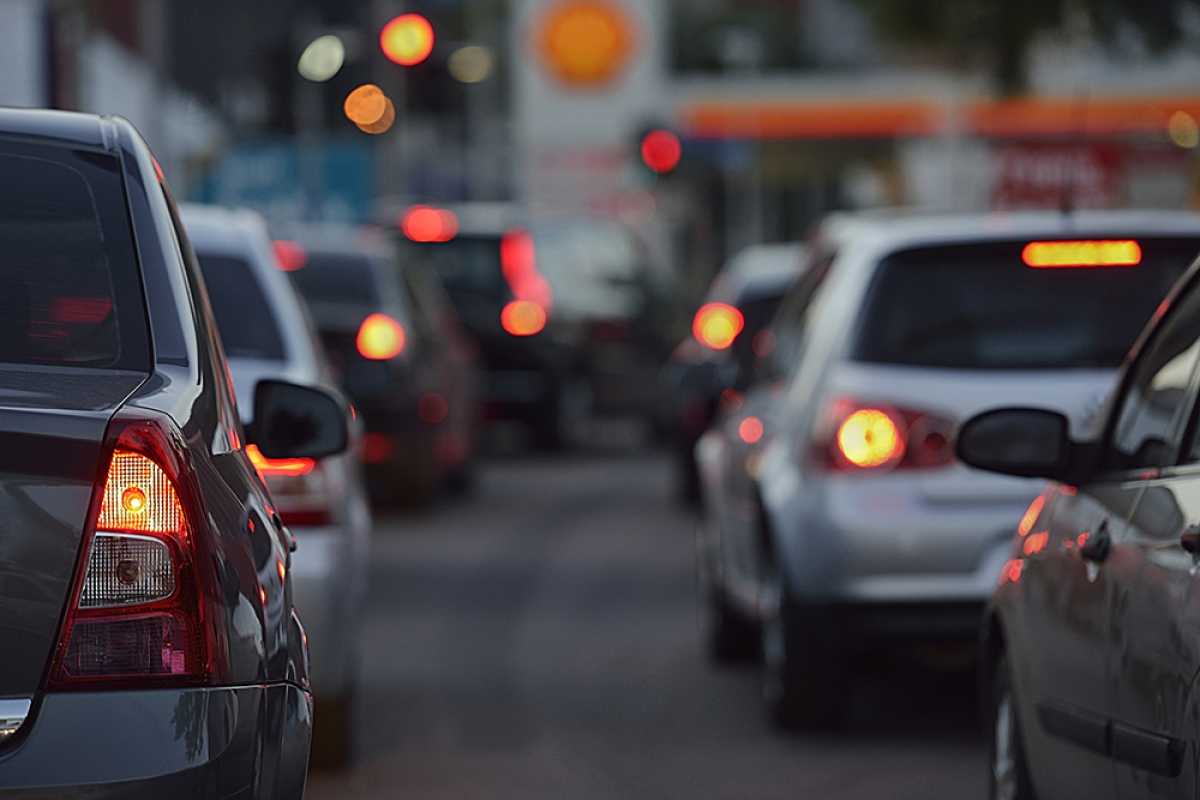
If there is one thing that us British are universally accredited for it is our innate ability to form a proper, organised and disciplined queue. Whether you’re waiting for a bus, a beer or a Big Mac, there is an unspoken agreement among us Brits to join the back of the queue and wait our turn. It’s efficient, honourable and proper.
What if we were to tell you that on the motorways, the usual rules simply don’t apply. Or at least they shouldn’t...
See, when you’re pootling along on our motorways and you see a sign reading ‘lane closure ahead’, you would typically make an effort to indicate over to the left lane, or whichever lane is remaining open, as soon as possible to reduce the congestion up ahead at the point of closure. However, what you are inadvertently doing is shifting the congestion to the cars behind you who are also making an effort to promptly get into the queue. What you’ve done is contributed to one large, avoidable tailback.
You’re doing it all wrong.
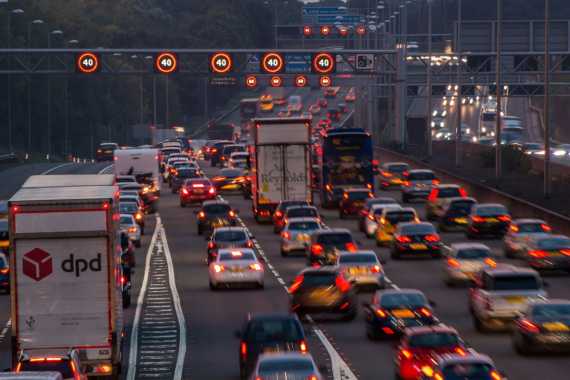
Let me explain. It’s called ‘zip merging’ and it is a traffic flow management solution which, in an ideal world, has everyone merging into one lane only moments before the lane closure. At the point of closure, cars from each lane proceed one after the other into the only remaining lane. You may think that this would cause mayhem but a 2008 study by a man called Ken Jones, an engineer from Minnesota, found that there was a 50% reduction in the length of the queue when drivers zip merge.
There are safety benefits too. If, as you approach the lane closure, all 3 lanes are occupied by people crawling up to merge point then there is a reduction in the difference in speed of each lane of traffic. Typically there is one lane of slow-moving traffic and then the ‘queue jumpers’ fly past with an empty path in front of them which can be particularly dangerous.
Secondly, when zip-merging there is also a significant reduction in the opportunity for road rage, as no lane has any particular advantage over the other lanes. It can be frustrating watching queue jumpers blast to the front of the queue while you sit still in the slow-moving lane. Zip merging removes that stress.
It seems like blasphemy though, doesn’t it? But the fact is that if you remove all your emotions from the equation, the truth is that two or three lanes of slow-moving traffic are better than one. It’s as simple as that.
So what needs to be done?
Well, it’s a difficult one to address and perhaps it should be up to the government to inform motorists and spread awareness of zip merging, but one way of working toward a lesser congested future would be for driving instructors to teach learners the benefits perhaps.