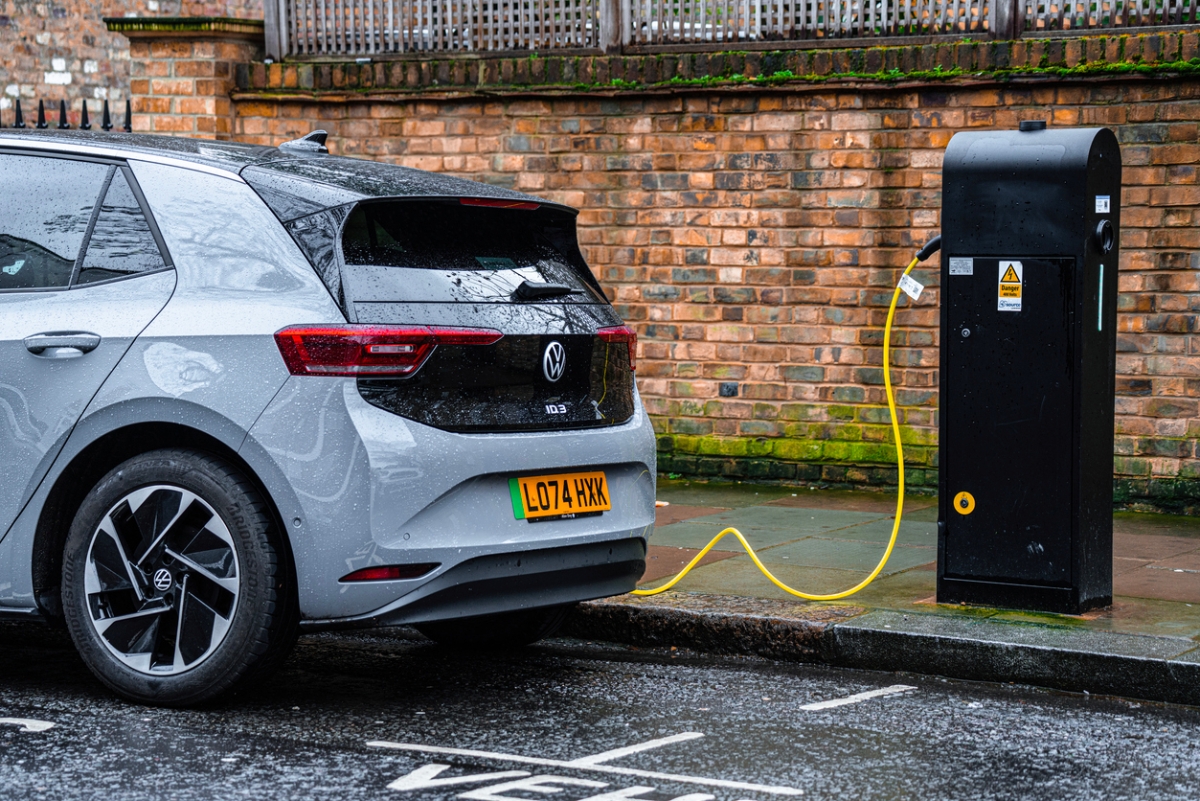
Labour's Electric Car Grant (ECG) has reached its first anniversary, but whether it has delivered the step change in electric vehicle (EV) adoption ministers hoped for remains open to debate.
The £2bn scheme, introduced in July 2025, offers buyers between £1,500 and £3,750 towards the cost of a new electric car priced below £37,000. It is due to run until March 2030.
Government figures show the grant has helped more than 140,000 motorists save up to £3,750, while the latest Society of Motor Manufacturers and Traders (SMMT) data shows EV registrations have risen 34 per cent year-on-year.
However, research suggests the grant has had only a modest impact on consumer demand. New data from Carwow indicates that almost two-thirds of buyers remain unaware the scheme exists, with interest in purchasing an EV increasing by just five percentage points since the incentive was introduced.
Meanwhile, Auto Trader argues the grant has played an important role in bringing electric cars close to price parity with petrol models, removing one of the biggest financial barriers to switching.
So, has Labour's flagship EV incentive been a success, or are rising fuel prices and manufacturer discounts doing most of the work?
The case against: Low awareness and limited discounts
Carwow's survey of 2,400 car buyers suggests the Electric Car Grant has yet to meaningfully change consumer behaviour.
Before the scheme launched, 33 per cent of respondents said they were considering an EV. A year later, that figure had risen to 38 per cent - returning interest to roughly the same level seen in 2019 and still below the 45 per cent peak recorded in 2022.
A key reason appears to be a lack of awareness. In August 2025, only 36 per cent of buyers had heard of the grant. By January 2026, that figure had increased by just one percentage point.
The structure of the scheme has also drawn criticism.
Eligible vehicles are split into two bands. The most environmentally sustainable models qualify for the full £3,750 discount, while the majority receive only £1,500.
Of the 60 electric cars currently eligible, only 12 qualify for the higher Band 1 payment. As a result, most buyers receive less than half of the headline maximum discount.
Among consumers who knew about the scheme, only 18 per cent said it had materially reduced the financial barrier to buying an EV. Seven in 10 said they would be more likely to switch if every qualifying model received the full £3,750 incentive.
Carwow's consumer editor, Siobhan Doyle, says the headline figure creates unrealistic expectations because relatively few vehicles qualify for the maximum payment.
She also argues the grant lacks visibility. The discount is applied automatically by dealers, meaning buyers never actively claim it or receive confirmation they have benefited. Combined with limited government promotion and a gradual rollout of eligible models, the scheme has struggled to gain public recognition.
The case for: EVs are now almost as affordable as petrol cars
Despite criticism, Auto Trader believes the grant has had a measurable impact on affordability.
Its analysis shows the average price difference between a new electric car and an equivalent petrol model has fallen from £1,935 before the grant was introduced to just £40 today.
For the first time, electric cars were even cheaper than petrol models during March and April 2026. In April, the average new EV cost £455 less once discounts and grants were taken into account.
Consumer demand appears to reflect these lower prices.
Eight of the 10 most-viewed new EVs on Auto Trader this year either qualify for the Government grant or receive an equivalent manufacturer-funded discount worth between £1,500 and £3,750.
The Renault 5 E-Tech has been the UK's most in-demand electric car, while models such as the Ford Puma Gen-E and Leapmotor C10 have climbed sharply in popularity after their effective prices fell.
According to Auto Trader Commercial Director Ian Plummer, the Electric Car Grant has helped remove one of the final psychological barriers preventing drivers from switching to electric by bringing purchase prices much closer to those of petrol vehicles.
However, he warns that any future pay-per-mile charging for EVs could undermine that progress, arguing that demand remains highly sensitive to ownership costs.
Rising fuel prices may be the bigger driver
Not everyone believes the grant deserves most of the credit for stronger EV sales.
Department for Transport licensing data analysed by the AA shows registrations of zero-emission vehicles continue to accelerate, with 150,000 new zero-emission vehicles registered during the first quarter of 2026 - a 12.9 per cent increase year-on-year.
Zero-emission cars alone rose by 14.5 per cent, while the total number of licensed electric cars increased by almost one-third to 1.86 million.
These gains coincide with a period of exceptionally high fuel prices.
Petrol reached almost 160p per litre in late May, while diesel peaked above 192p per litre in April following geopolitical tensions linked to the conflict involving Iran.
The AA says many motorists have responded by abandoning petrol and diesel altogether. Electricity use for vehicle charging increased by 28.1 per cent during the first quarter of 2026 as more drivers opted for EVs.
AA head of roads policy Jack Cousens argues that persistently high fuel costs have persuaded many households that the economics of electric motoring now make sense.
The Government maintains that its policies have made switching easier than ever. Aviation, Maritime and Decarbonisation Minister Keir Mather says motorists can save up to £1,400 a year in running costs by choosing an EV, making the transition even more attractive during periods of elevated fuel prices.
Verdict: The grant has helped - but it is not the whole story
One year after its launch, the Electric Car Grant appears to have made electric vehicles more affordable by narrowing the gap between EV and petrol prices.
However, evidence that it has significantly changed consumer behaviour is less convincing. Public awareness remains low, most eligible cars receive only the smaller discount, and many buyers still cite upfront cost as the biggest obstacle to going electric.
With EV registrations continuing to climb, it is likely the grant is working alongside manufacturer discounts, improving model choice and persistently high fuel prices, rather than acting as the sole catalyst for the UK's transition to electric motoring.