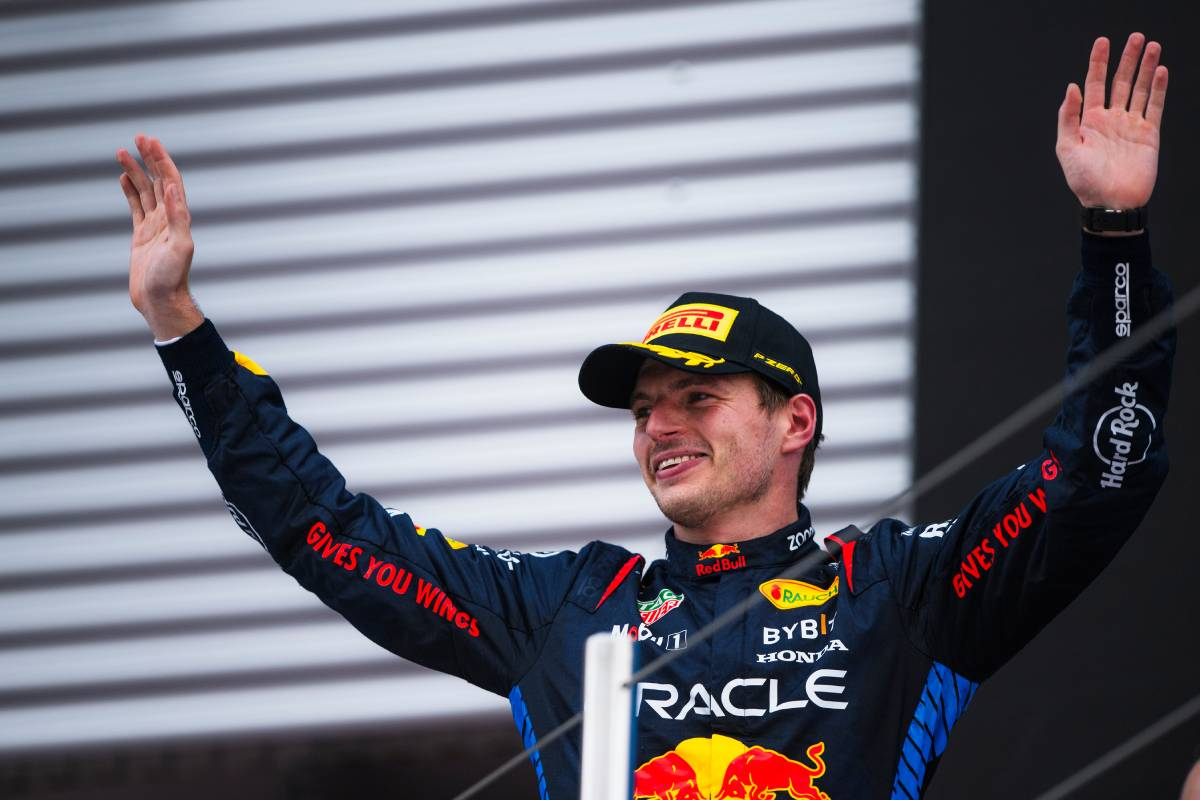
Max Verstappen, four-time Formula 1 world champion, didn’t mince words after just two days of testing the new 2026 cars in Bahrain: the latest generation of F1 machinery is “just not Formula 1.” The Dutch superstar’s frustration isn’t just a driver griping - it’s a warning shot about the direction of a sport trying to reinvent itself.
“The right word is management,” Verstappen told reporters, hinting at the layers of energy recovery and efficiency systems now dictating every move behind the wheel. “As a pure driver, I enjoy driving flat out. And at the moment, you cannot drive like that… it feels a bit more like Formula E on steroids.”
For fans who grew up on the roar of V10s and V12s, the unmistakable whine of turbo V6 hybrids, and the thrill of cars that demanded bravery and skill at every corner, these comments sting. F1’s new era emphasises energy efficiency, complex strategy, and technological wizardry, but at the expense of the visceral, pedal-to-the-metal experience that has defined the sport for decades.
Verstappen’s analogy to Formula E is telling. The all-electric series is celebrated for its efficiency and innovation, but it’s never been about raw, full-throttle racing. Yet F1 now seems to be moving in that direction: cars that don’t always run at full power, tracks designed more like urban spectacles than grand prix classics, and a soundscape that feels muted compared with the legends of the past. The “American-isation” of F1, bigger showbiz, more glitzy street circuits, and a focus on attracting new demographics - has its appeal, but it risks alienating the very people who built the sport’s legacy.
Even fellow drivers acknowledge the tension. Lando Norris, when asked about Verstappen’s complaints, shrugged: “Formula 1 changes all the time. Sometimes it’s better to drive, sometimes not. But we get paid a stupid amount of money to drive, so we can’t really complain.” Yet fans are not paid to endure nostalgia for a sport that seems to be drifting further from its roots.
The question now is whether F1’s push to reach new audiences is costing it the loyalty of those who love it most. Is the thrill of full-throttle racing being sacrificed for spectacle, sustainability, and strategy? Verstappen’s comments suggest that, for some, it already has.
If the sport truly wants to grow, it will need to strike a balance: innovation and inclusivity on one side, and the raw, unfiltered joy of driving at the limit on the other.