Could one of Britain's best-loved hot hatches be about to make an unexpected return?
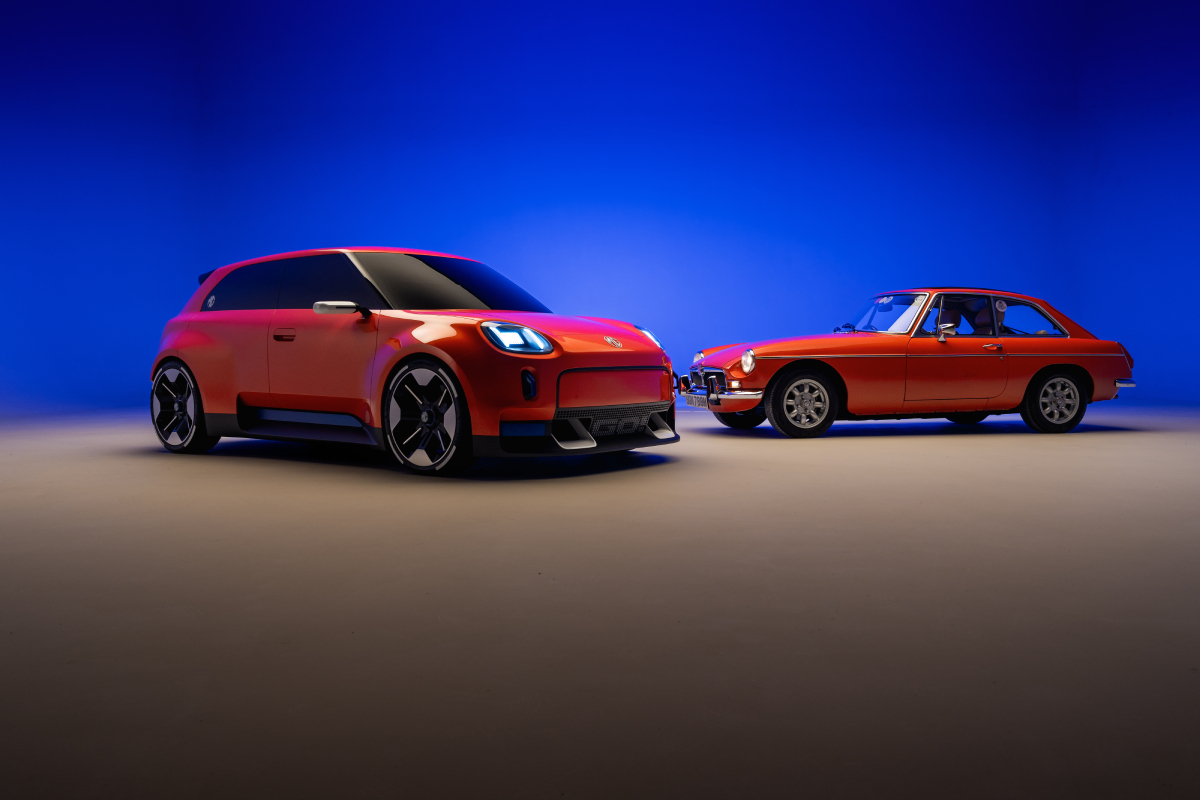
That is the question being asked at this year's Goodwood Festival of Speed after MG unveiled the Go concept - a compact electric supermini that pays clear homage to the legendary MG Metro Turbo of the 1980s.
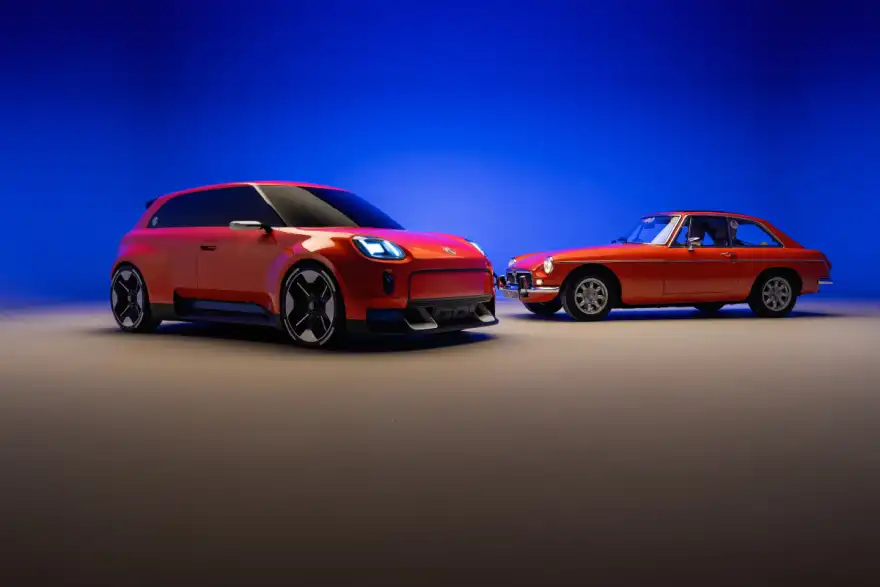
Now owned by Chinese automotive giant SAIC, MG says the Go is a "contemporary nod" to some of the brand's most celebrated sporting models, including the Metro Turbo, the MGB GT and the early-2000s MG ZR. With its squared-off proportions, muscular wheel arches and unmistakably retro styling, the concept signals MG's intention to combine its performance heritage with the next generation of electric vehicles.
The production version is expected to arrive in 2027 and will target rivals such as the Renault 5 E-Tech and the forthcoming Peugeot e-208 GTI.
Following Renault's Winning Formula
MG's latest concept arrives at a time when retro-inspired electric cars are proving remarkably popular.
The Renault 5 has become one of Europe's most sought-after electric cars, demonstrating that buyers are drawn to vehicles that combine nostalgic styling with modern technology. MG appears keen to replicate that success by reviving one of its own performance icons for the electric age.
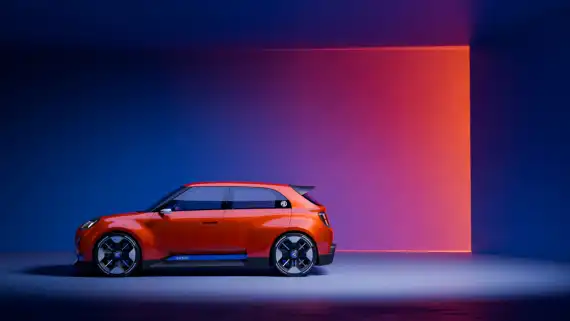
According to the company, the production-ready Go will blend "sporty roots with the latest EV technology", creating an affordable electric hatchback that delivers both desirability and everyday usability.
MG says the design draws inspiration from some of the marque's most expressive models from the mid-20th century, reinterpreted through a modern, retro-futuristic lens.
Designed in Britain
Although MG is now owned by SAIC, the Go has been designed entirely by the company's London-based design team under Design Director Carl Gotham, the man behind the striking MG Cyberster electric roadster.
Explaining the philosophy behind the concept, Gotham said: "With MG Go, we wanted to create something compact and contemporary, but also warm, expressive and immediately likeable.
"It is not about looking back for its own sake, but about capturing some of the clarity, charm and emotional appeal that have always made MG so distinctive, and reinterpreting that in a way that feels relevant today."
A Genuine Electric Hot Hatch
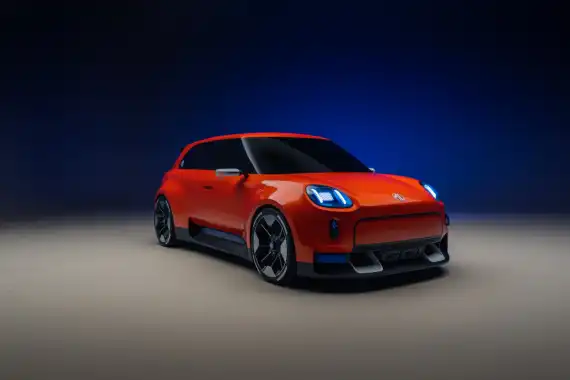
At around four metres long, the Go sits almost exactly alongside the Renault 5 in terms of size.
Its styling leaves little doubt about its intentions. Wide wheel arches, an aggressive body kit, oversized alloy wheels, a ducktail rear spoiler and a deep front splitter give it the stance of a traditional hot hatch, despite its all-electric powertrain.
MG executives have also hinted that the concept offers a close preview of the production model, suggesting relatively few changes before the car reaches showrooms.
Technical details, including power output, battery capacity, range and pricing, have yet to be confirmed.
Why the Metro Turbo Still Matters
The original MG Metro Turbo remains one of Britain's defining hot hatches.
Produced between 1982 and 1990, it transformed the humble Austin Metro into a genuine performance car. Powered by a turbocharged 1.3-litre A-Series engine producing 93bhp, it could accelerate from 0-60mph in under 10 seconds — impressive performance for its era.
Its bold body kit, alloy wheels, distinctive decals and Hydragas suspension gave the Metro Turbo a character that helped it stand out during the fiercely competitive hot hatch boom of the 1980s.
Almost 22,000 examples were built during its eight-year production run.
Today, however, surviving cars are exceptionally rare. According to DVLA records, only 33 remain licensed for use on UK roads, while around 200 more are registered as Statutory Off Road Notification (SORN), although many are unlikely to be roadworthy.
The Metro also gave birth to one of MG's most extreme creations: the legendary Metro 6R4 Group B rally car, produced between 1984 and 1987, which remains one of Britain's most iconic competition cars.
A New Chapter for MG
The Go made its public debut at the Goodwood Festival of Speed alongside another MG concept, the Cyber X SUV, signalling the company's ambitions to broaden its electric range while embracing its sporting heritage.
If MG can capture even a fraction of the appeal that has made the Renault 5 such a commercial success, the Go could become one of the most compelling electric hot hatches when it arrives in 2027.
For enthusiasts who remember the original Metro Turbo, it promises a welcome return to a nameplate that helped define an era. For a new generation of buyers, it could offer a distinctive blend of British design heritage, modern technology and affordable electric performance.