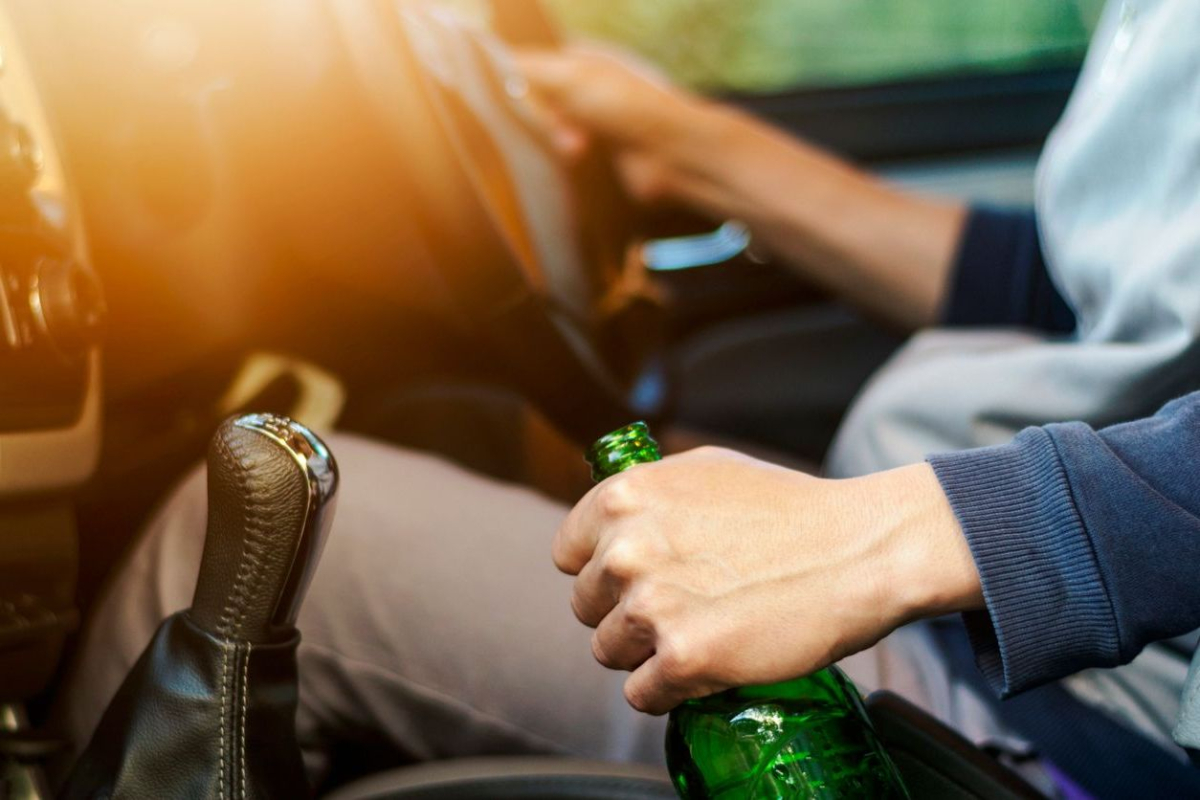
TL;DR: New data shows over one in ten UK motorists convicted of drink-driving reoffend, with more than 26,000 people prosecuted at least twice since 2013. This high rate of repeat drink-driving offences has led to urgent calls for mandatory 'alcolocks' to physically prevent offenders from starting their cars.
Fresh data obtained by the RAC paints a stark picture of the UK's struggle with drink-driving, revealing that current penalties may not be a strong enough deterrent for persistent offenders. The latest figures show that more than one in ten motorists convicted of driving over the limit are caught doing it again, raising serious questions about road safety and the effectiveness of driving bans.
Key Facts
- Over 26,800 UK drivers currently have at least two drink-driving endorsements on their licence.
- 12.1% is the persistent reoffending rate for motorists caught over the legal alcohol limit, a figure that has barely changed.
- The RAC's latest data shows more than 2,500 people have been caught three or more times, with one driver amassing ten convictions.
- 82% of the British public now support making mandatory alcohol interlocks in the UK a reality for convicted offenders.
Analysis of the latest DVLA figures, sourced via Freedom of Information requests, shows a staggering 220,638 drivers in the UK currently have a drink-driving endorsement on their licence. Of this group, a significant 26,800 are repeat offenders, contributing to the stubbornly high drink-driving reoffending rates.
The problem isn't just about a second mistake. The data, published recently, reveals that over 2,500 people have been prosecuted three times or more since 2013. In one extreme case highlighted by the RAC drink-driving statistics, a single individual has managed to accumulate ten separate convictions for drink-driving offences.
When a driver is convicted, they typically receive a DR10 endorsement on their licence for being over the legal limit. A less common DR20 code is used when a driver is found to be unfit to drive through drink, even if technically under the limit. These endorsements have a serious impact on insurance and future driving privileges.
So, what actually happens if you get caught again? According to UK law, a second drink-driving conviction within a ten-year period results in a mandatory three-year disqualification for drink-driving. This is in addition to unlimited fines and a potential prison sentence of up to six months. But experts are now questioning if this is enough.
Rod Dennis, a road safety spokesperson for the RAC, highlighted a critical flaw in the current system. He recently pointed out that if a person is already willing to break the law by drink-driving, a piece of paper telling them they are disqualified might not physically stop them from getting behind the wheel again.
This is why there is a growing movement supporting 'alcolocks' for persistent offenders. These are essentially breathalysers wired into a car's ignition system. If the device detects alcohol on the driver's breath, it physically prevents the engine from starting.
The idea of mandatory alcohol interlocks in the UK is proving incredibly popular. A recent survey found that a huge 82% of the British public would support making these devices a requirement for all convicted drink-drivers. Instead of just punishing the behaviour, the technology offers a way to physically prevent it. For those looking to tackle repeat drink-driving offences for good, taking the decision out of the driver's hands might be the only effective path forward.