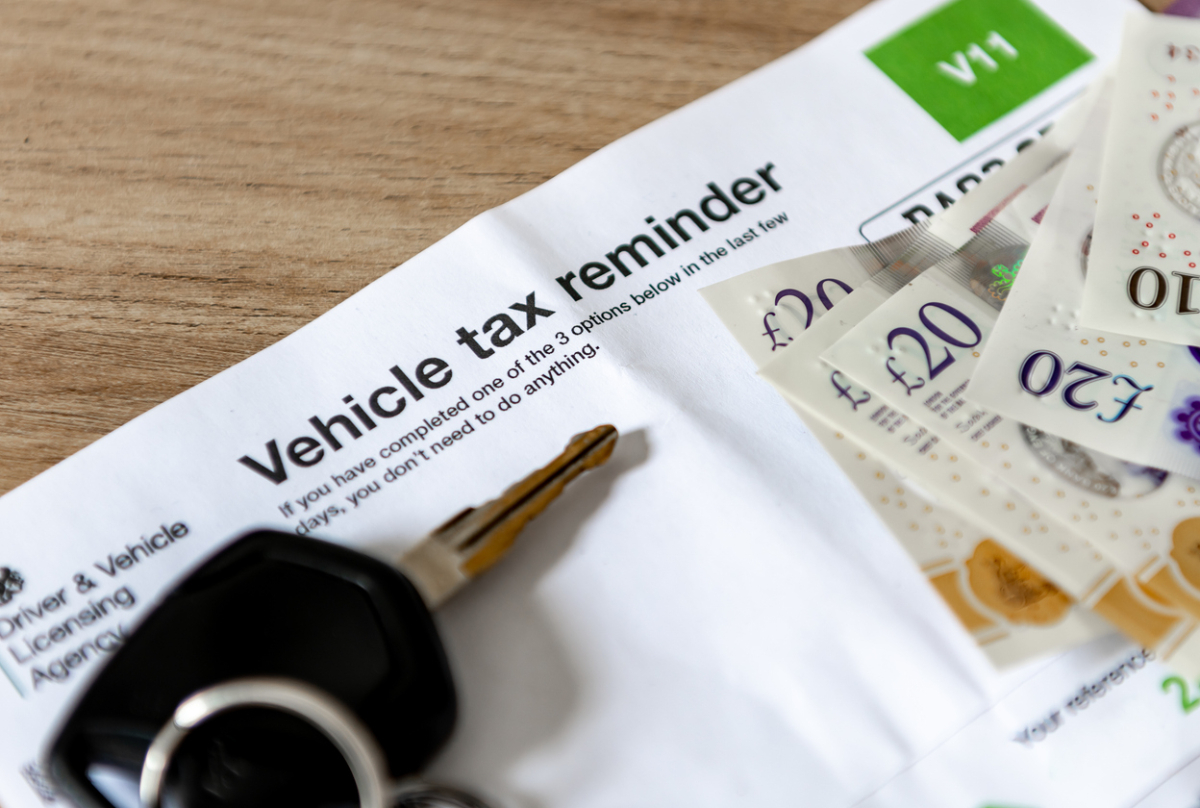
Labour has confirmed that its controversial pay-per-mile car tax will come into force in April 2028, setting out the final rules that will affect millions of electric vehicle (EV) and plug-in hybrid drivers across the UK.
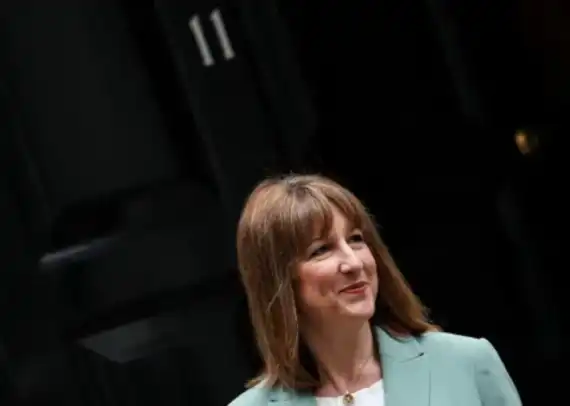
The new Electric Vehicle Excise Duty (eVED) was first announced by Chancellor Rachel Reeves in last year's Autumn Budget as part of plans to replace falling fuel duty revenues as more motorists switch from petrol and diesel cars.
Under the scheme, fully electric vehicles will be charged 3p per mile, while plug-in hybrid drivers will pay 1.5p per mile.
Following a public consultation that ran between November 2025 and March 2026 and attracted more than 5,000 responses, the Government has confirmed several changes to how the new system will operate.
Government confirms how mileage will be recorded
One of the biggest changes is the decision to scrap plans for additional mileage inspections on vehicles less than three years old, which are currently exempt from annual MOT tests.
Instead, drivers of newer vehicles will submit an odometer reading each time they renew their Vehicle Excise Duty (VED), along with an estimate of how many miles they expect to drive over the following year. The DVLA will use this information to calculate an estimated eVED charge.
Once a vehicle is old enough to require an MOT, the recorded odometer reading will be verified and compared with the mileage previously declared by the owner.
Drivers warn of higher costs and fraud risks
The Department for Transport said many respondents supported using MOT mileage records and digital technology to help administer the scheme. However, concerns were also raised that the new tax could increase costs for EV and plug-in hybrid owners and reduce the financial incentive to switch to cleaner vehicles.
Some respondents also warned that drivers could attempt to tamper with odometers to under-report their mileage and lower their tax bill.
Simpler rules introduced for fleets and leasing firms
To address concerns from businesses, the Government said it has significantly simplified the rules for fleet operators and leasing companies. The changes include allowing estimated mileage declarations, introducing bulk licensing arrangements and offering greater flexibility over payments.
Ministers said these measures will create a system that is "fair, proportionate and sustainable" while reducing the administrative burden for businesses managing large numbers of vehicles.
Labour rejects calls for rural driver exemptions
The Government has also rejected proposals to give some drivers a mileage allowance or "free miles". Motoring groups had argued that rural drivers, who often travel longer distances to reach work, healthcare or essential services, should receive additional support.
In its response, the Government said the new system is designed to reflect the way petrol and diesel drivers already contribute through fuel duty.
It said motorists who drive further already pay more in fuel duty because they use more fuel, and the same principle will apply under the pay-per-mile system for electric vehicles.
What happens before the 2028 launch?
The Government also confirmed that eVED rates will rise in line with Consumer Prices Index (CPI) inflation from the 2029–30 tax year to maintain the value of the tax over time.
Before the scheme launches in April 2028, ministers said they will work with the DVLA to publish detailed guidance, finalise the compliance and appeals process, and ensure drivers and businesses have sufficient time to prepare for the new rules.