TL;DR TfL is trialling advanced radar-based cameras across London, initially at ten speeding hotspots. The cameras don’t rely on road sensors or flashes and capture high-definition images of vehicles and drivers. They support Vision Zero goals, improve detection of illegal number plates, and cover multiple lanes, enhancing enforcement across 20mph and 30mph zones.
London drivers will need to watch their speed more carefully as Transport for London (TfL) begins rolling out advanced new speed cameras under Mayor Sadiq Khan’s latest road safety initiative.
The trial will start with ten locations before expanding across the capital (plus some ULEZ areas). Initial sites include speeding hotspots in Haringey, Tower Hamlets, Havering, Croydon, Hammersmith and Fulham, Brent, Hackney, Ealing, and Sutton. All locations are on 20mph or 30mph roads.
Unlike traditional cameras, these devices don’t flash and don’t need white road markings to measure speed. Drivers won’t know they’ve been caught until they receive a penalty charge notice in the post.
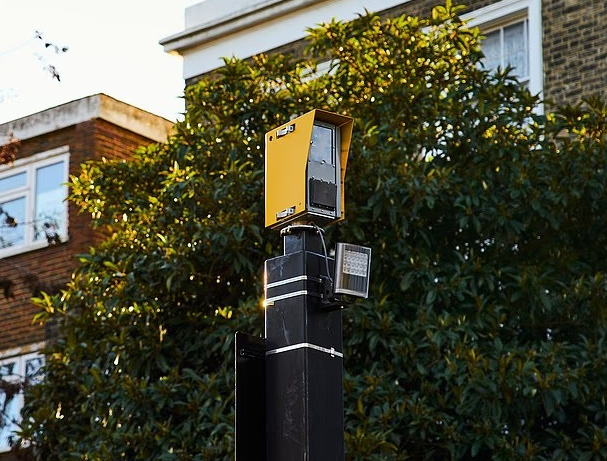
The new RedSpeed Sentio Shield cameras combine 4D radar and 4K colour imaging. They can be mounted on existing street poles and cover up to five lanes of traffic, both directions, without the need for road sensors. Their rectangular yellow box with a black panel is visible but not immediately noticeable to motorists. While capable of detecting red-light violations, TfL confirmed the cameras will focus solely on speed enforcement.
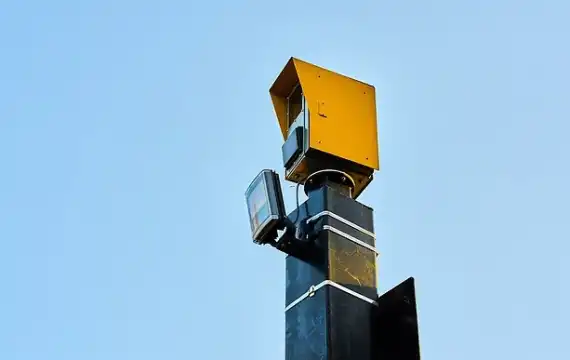
These cameras also improve detection of illegal “ghost plates,” which are number plates designed to evade traditional cameras. High-definition images day and night will help the Met Police identify the driver accurately.
Road signage will still inform drivers that a camera is ahead, but the technology is part of a broader push to make London’s streets safer. The rollout follows last week’s Vision Zero Plan, which aims to eliminate road deaths in London by 2041. Measures include more 20mph zones, a potential levy on SUVs, a reduced maximum speed of 40mph, and AI-powered cameras to detect dangerous driving such as texting or seatbelt violations.
TfL’s Director of Security, Policing, and Enforcement, Siwan Hayward, said the trial will test technology to meet London’s future enforcement needs. Detective Chief Superintendent Donna Smith added that the Met will use all available tools, including these new cameras, to deter dangerous driving and support Vision Zero.