TL;DR: Car infotainment satisfaction in the UK has seen a sharp decline, with 41% of drivers now disabling safety features due to annoyance, according to the latest Driver Power survey. Following this trend, Euro NCAP will mandate physical controls for essential functions from 2026 for a 5-star safety rating, signalling a return to physical buttons in new vehicles.
Key Facts:
1. 41% of UK drivers are now switching off vehicle safety features due to annoyance.
2. Satisfaction with in-car safety technology dropped by nearly 8% in the latest Driver Power survey.
3. From 2026, Euro NCAP will require physical controls for wipers and indicators for a 5-star safety rating.
4. It can take up to 22 seconds to adjust air conditioning via a touchscreen, significantly longer than physical controls.
Drivers Are Losing Patience With Modern Car Tech
As of recent reports, UK drivers are increasingly frustrated with modern car infotainment systems, leading to a significant drop in car infotainment satisfaction UK-wide. The shift away from physical buttons to fiddly touchscreens and persistent safety alerts is now impacting driver behaviour and potentially road safety.
The latest data from the influential Auto Express Driver Power survey, which gathered insights from over 100,000 car owners, reveals a stark reality. Satisfaction with vehicle safety technology has plummeted by nearly 8%, marking the sharpest decline ever recorded. This downturn highlights a growing disconnect between technological advancement and practical usability for the everyday driver.
Why Drivers Are Switching Off Safety Systems
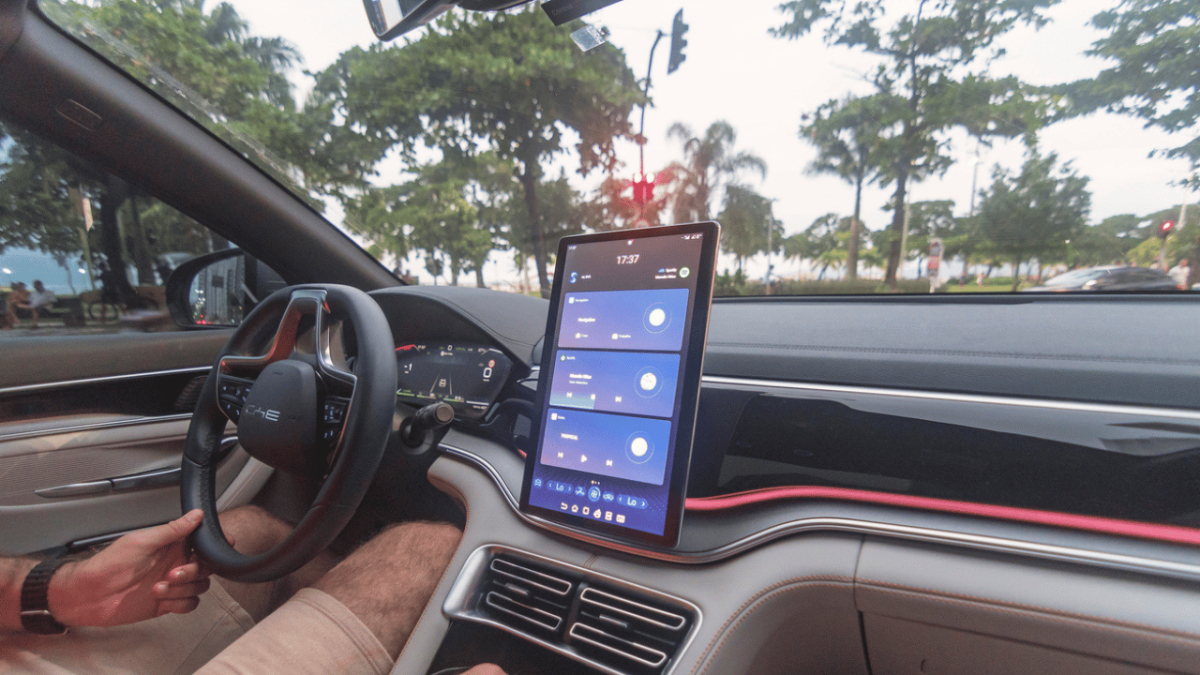
Distracting car touchscreens are a major culprit. While a large, tablet-style screen might look futuristic in a showroom, its complexity becomes a hazard when drivers are trying to adjust settings like heating or navigation while on the move. Imagine trying to find the heater settings during a downpour on the M25, it's a recipe for distraction.
Perhaps most concerning is that approximately 41% of UK drivers are now actively switching off mandatory driver-assist technology UK. This widespread disabling of active safety systems annoyance stems from the systems' perceived intrusiveness and frequent false alarms. When lane-keep assist systems misinterpret road markings or weather conditions, the sudden interventions can be more startling than helpful, prompting drivers to disengage them entirely.
However, there's good news for petrol car owners and all drivers who prefer tangible controls. The automotive industry is finally acknowledging the benefits of physical car buttons vs touchscreens for critical functions. Research indicates that simple tasks, like adjusting the air conditioning, can take a staggering 22 seconds using a touchscreen, compared to a mere fraction of that with a traditional dial or button.
The Return of Physical Buttons
In a pivotal move for UK road safety act 2024 considerations, Euro NCAP is stepping in. From 2026, the independent safety organisation will mandate that vehicles must incorporate physical controls for essential functions, such as wipers and indicators, to achieve a five-star safety rating. This development signals a significant U-turn from the trend towards 'buttonless' interiors and promises to improve the user experience.
What this means for drivers is a potential return to common sense in car design. While some brands, like Tesla, have successfully integrated highly intuitive software with minimal physical controls, many other manufacturers are now realising the importance of tactile feedback for driver comfort and safety. Your options just got better if you're looking for a vehicle that feels less like a giant smartphone and more like a car.
Drivers considering new purchases in 2025 and 2026 can expect to see a welcome reintroduction of physical controls in many models. This shift is set to boost car infotainment satisfaction in the UK, offering relief to those who've struggled with overly complex digital interfaces. It confirms that driver feedback is indeed influencing design, ultimately leading to safer and more user-friendly vehicles.