Botley Road is finally open after three and a half years of disruption, but a £237m price tag and years of missed deadlines raise serious questions about Britain's ability to deliver basic infrastructure on time or on budget.
There was genuine disbelief in Oxford as traffic finally returned to Botley Road, with buses, ambulances, trucks and cars passing beneath the new railway bridge for the first time in three and a half years.
One runner using the new pedestrian and cycle route summed up the mood: "It has got to be seen to be believed."The work began in April 2023, when Rishi Sunak was prime minister and Twitter was still Twitter.
Botley Road was originally due to reopen in October 2024, but drivers have instead had to wait until September 2026, 41 months after the closure began. That is an extraordinary amount of time to wait for a road to pass beneath a railway.
Botley Road price and construction time
According to Network Rail, the wider Oxford station project was originally expected to cost £161m. That figure has since risen to £237.4m, a 47% overspend. There were real engineering problems along the way, including the discovery of a Victorian arch beneath the road, the need to divert utilities and the incorporation of flood protection into the design.
Those complications explain some of the delay. They do not explain why a £161m budget and an October 2024 date were ever promised for a project this complex in the first place.
The £237.4m figure also covers more than the bridge itself. The wider project is intended to support an expanded Oxford station and increased rail capacity, although the planned western entrance and platform five have still not been delivered, despite the money already spent.
Why the bridge looks cheaper than its £237m price tag
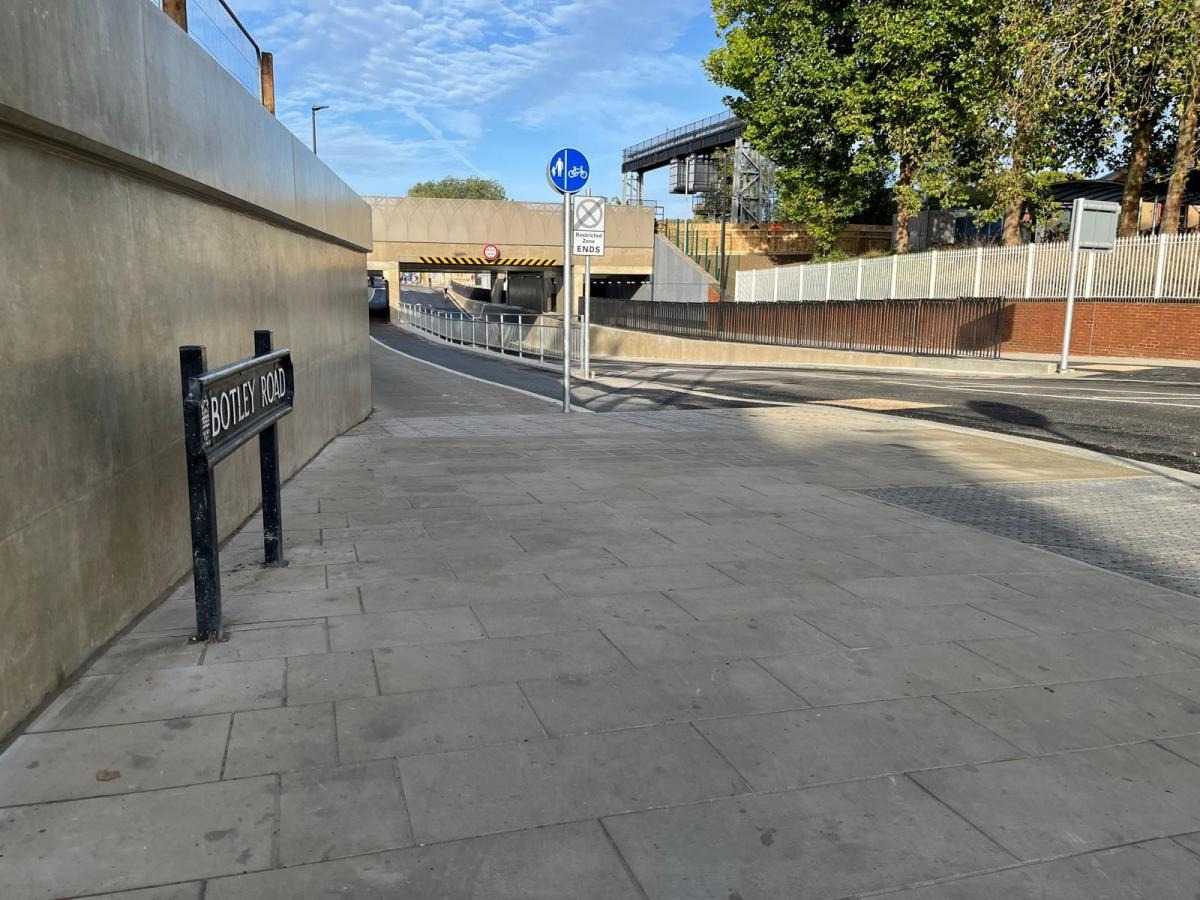
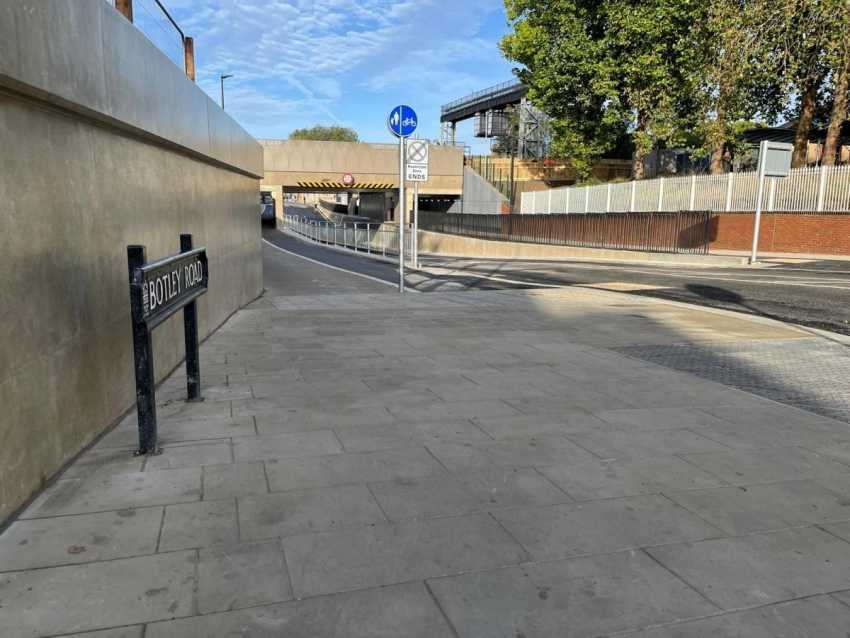
Look at the finished bridge, and it is easy to understand why some people have struggled to reconcile it with a £237m project. The new layout provides greater clearance, improved walking and cycling facilities and infrastructure for the future station expansion, but there is little about the finished structure itself that visually suggests the scale of the investment.
That explains where some of the money went. It doesn't explain why Oxford is looking at a fairly ordinary road and being asked to accept a £237m bill for it.
When a project takes almost twice as long as promised and costs tens of millions more, the public is entitled to more than an explanation. It is entitled to know why the original timetable and budget were ever presented as realistic, and whether problems were handled well once they emerged.
How Botley Road compares with major projects
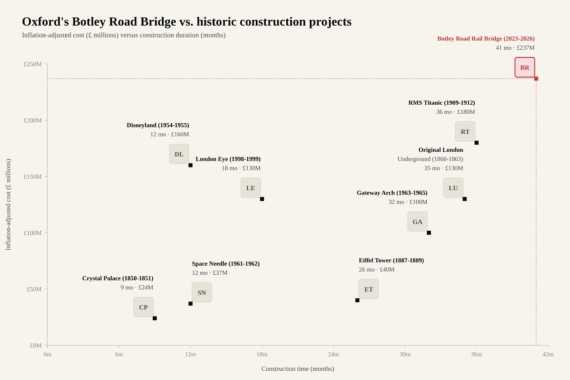
The comparison image accompanying this story places Botley Road alongside major construction projects from around the world, including the Eiffel Tower, Empire State Building, London Eye and Gateway Arch.
The Eiffel Tower took just over two years to build, the Empire State Building was completed in 410 days and the London Eye took 16 months.
None of this is a fair fight. Building a landmark or a skyscraper is a different job to rebuilding a road under a live railway. Even so, the contrast is striking. People have delivered enormous, technically demanding projects in a fraction of the time it has taken Oxford to get a major road back.
Nobody is claiming Botley Road should have taken 410 days. But the gap is wide enough to deserve a real answer about why infrastructure projects in Britain so often run years slower than the landmark builds of the past.
The wider cost of Botley Road
The road closure has created costs that will never appear in the Network Rail budget. Businesses along Botley Road have spent years dealing with reduced access and falling passing trade, with some closing and others moving parts of their operations elsewhere.
Community campaigner Julian Le Vay estimated in January that local businesses had lost around £50m and that more than 120 jobs had disappeared. Those figures are estimates, but they show why infrastructure delays matter far beyond the construction site.
For a small business, three years of disruption is an enormous financial burden to carry for a project that itself ran 41 months late.
Reaction to the Botley Road reopening
There was an unmistakable sense of relief when the barriers finally came down and traffic began moving through the new underpass.
Eve Warner, a local resident who remembered using the old bridge by bus, said she thought the finished work looked good, although she wondered whether an opening ceremony might be slightly embarrassing after such a long wait.
Tim Parker, who works at the Botley McDonald's, said the constant delays wore people down: "They kept delaying and delaying. Everybody was getting annoyed about it, and it should not have taken that long.
"Marlon Williams was among the first motorists through the reopened road, deliberately making the journey because he wanted to experience what he called "a small piece of Oxford history." He also criticised the disruption caused to local businesses and everyday life.
All three reactions land in the same place. There's relief that the road is finally open, and real frustration that it took this long to get there.
£237m bridge verdict
Botley Road's real failure sits in planning and grip. A Victorian arch under a live railway, flood protection and utility diversion are realistic risks that any competent scoping process should have priced into the original October 2024 date and the £161m budget before either was ever announced.
A 47% overspend and a 41-month delay on complications like that point to optimistic assumptions going in and slow decision-making once problems surfaced.
The finished underpass does what it needed to do. Traffic, buses, ambulances, cyclists and pedestrians are moving under the railway again, and the western entrance and platform five can now follow without a live road closure in the way.
That is a planning and delivery failure, and Oxford has paid for it in three and a half years of disruption and £76m of overspend it should never have had to find.
Until Network Rail gets sharper at pricing foreseeable risk into major projects before it breaks ground, Botley Road won't be the last UK infrastructure scheme to run years over budget and years late.