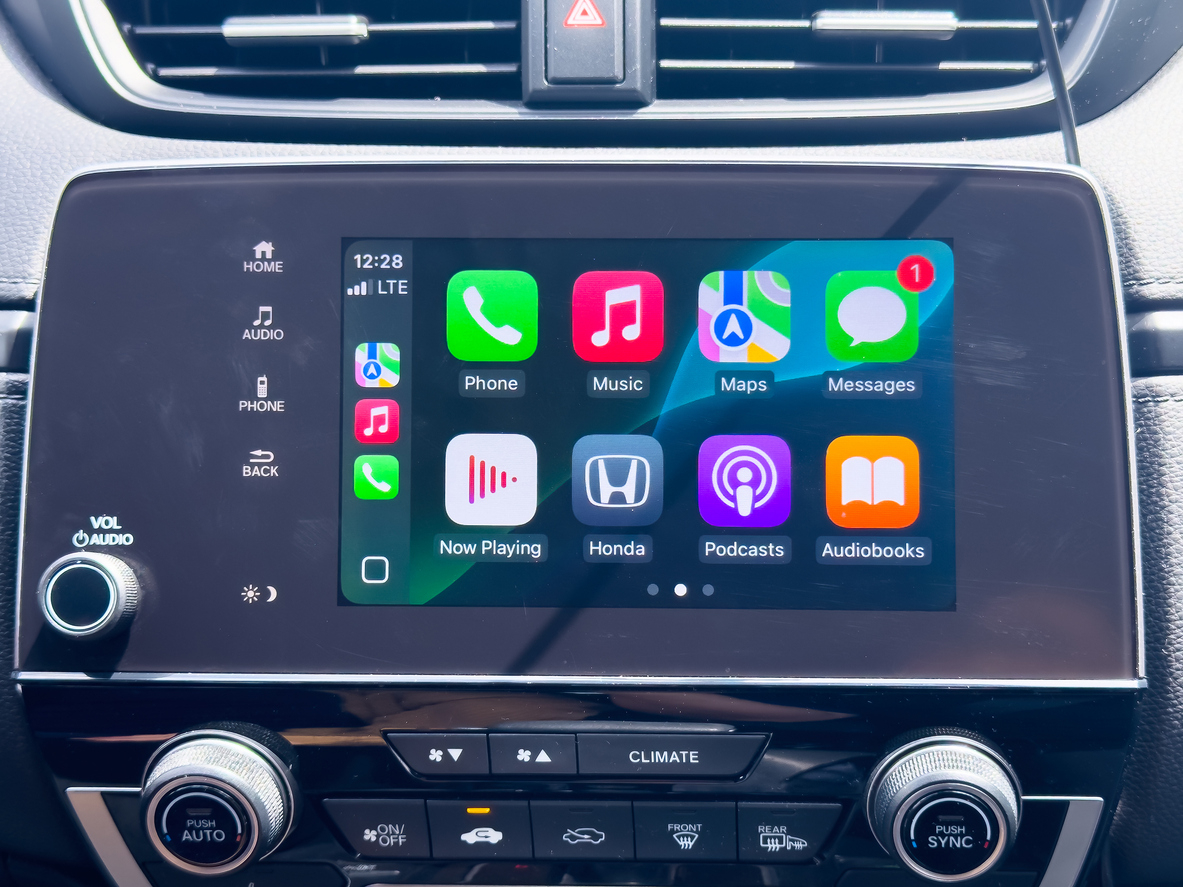
TL;DR: Apple is introducing video streaming to CarPlay with the new iOS 26.4 beta, allowing UK drivers to watch content from the Apple TV app or use AirPlay on their car's screen. The feature, which includes a major design overhaul, is strictly limited for use only when the vehicle is parked for safety reasons.
Key Facts
- iOS 26.4 beta is the first version of Apple's software to introduce native video streaming to CarPlay.
- Apple's new 'Liquid Glass' design philosophy brings a refreshed, premium aesthetic to the in-car interface.
- Full public release of the new video features is currently anticipated for early 2026.
- Safety protocols ensure the video streaming function is disabled unless the vehicle is stationary with the handbrake engaged.
For UK drivers who have ever found themselves waiting at a motorway service station or an EV charging point, a significant software update is set to transform the experience. The recent release of the iOS 26.4 beta has revealed that Apple is finally bringing native video streaming to CarPlay, a move that signals a major evolution for in-car entertainment.
This update moves the system far beyond its current functions of maps and music. The latest data from the beta shows that users can now stream content directly from the Apple TV app or use AirPlay to mirror content from their iPhone onto the car’s built-in infotainment display.
However, this functionality isn't available to everyone just yet – these new CarPlay features are exclusively part of the beta software. This means it's currently aimed at developers and tech enthusiasts comfortable with potentially unstable software ahead of a wider public rollout.
At the core of this visual and functional change is a new design language Apple calls 'Liquid Glass'. This aesthetic moves away from the flat, static icons of previous versions, introducing more depth, transparency, and polished animations. The updated look provides a more premium feel, bringing the software in line with modern user interface trends.
Interestingly, the origins of this technology can be traced back to the luxury automotive sector. Features like customisable widgets and fluid animations were first demonstrated in a high-end system dubbed 'CarPlay Ultra', which was initially exclusive to new Aston Martin models. The inclusion of these elements in a standard iOS beta signals Apple's strategy to bring top-tier features to a much broader audience.
Industry analysts suggest this is a calculated move. By the time the full public version of these iOS 26.4 CarPlay features arrives, projected for early 2026, even a standard family hatchback could offer an infotainment experience previously reserved for six-figure supercars.
How it compares to the competition
When looking at the current landscape of streaming apps for UK cars, Apple's move puts it in a strong position. In the Android Auto vs CarPlay video functionality debate, Apple is taking a clear lead. Android Auto does not yet offer native video support, continuing to focus on its 'Material You' design for core audio and navigation apps.
Meanwhile, car manufacturers like Tesla have long offered native streaming apps such as Netflix and Disney+ through their proprietary operating systems. Apple's update is a direct response, aiming to provide a similar level of entertainment within its more widespread ecosystem.
While the beta currently highlights the Apple TV app on CarPlay, it's widely expected that other major streaming services won't be far behind. It's highly probable that platforms like Netflix, Disney+, and YouTube will develop compatible versions to gain access to this captive audience.
What about the obvious safety concerns?
Apple has built in a critical safety lock. You won't be watching the latest blockbuster while navigating the M25. The video playback features are hard-locked to function only when the car is stationary and the handbrake is applied, complying with UK regulations on driver distractions. This makes it a perfect feature for killing time while waiting to pick up the kids from school or during a lengthy electric vehicle charge, effectively turning your car into a personal mini-cinema when parked.