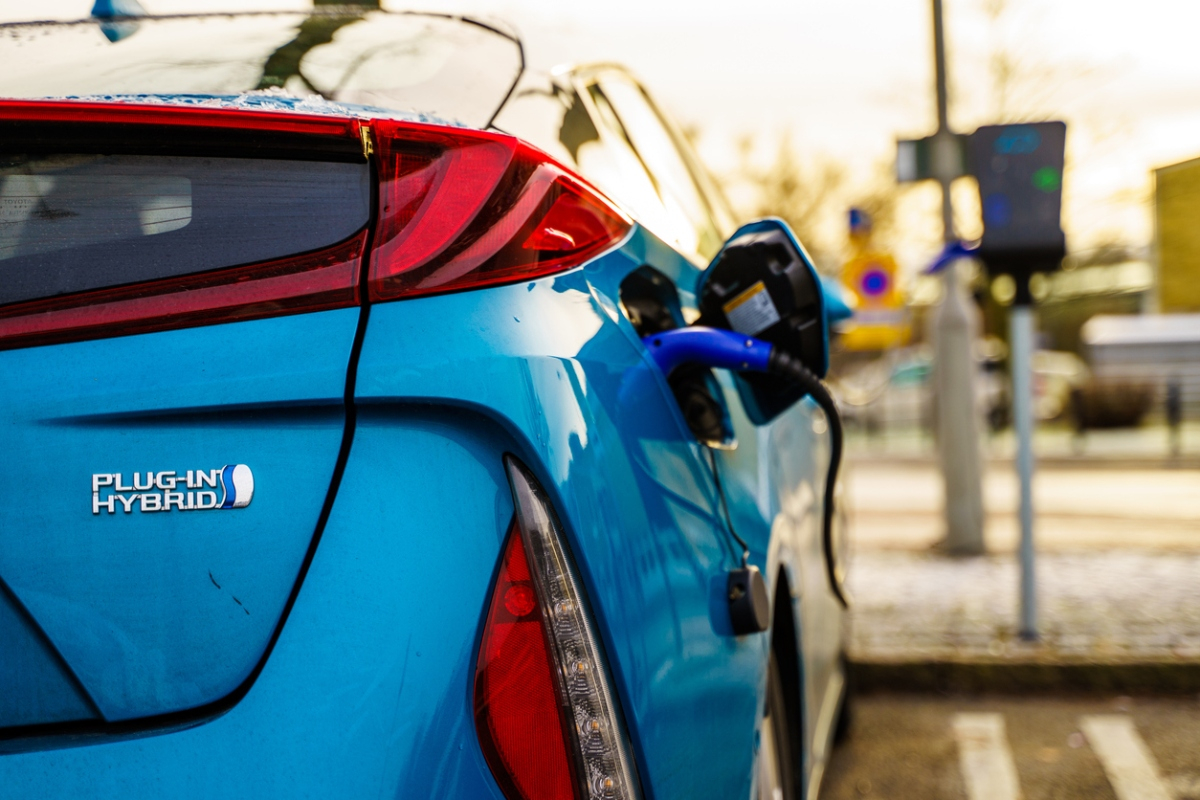
Hybrid drivers across the UK may face a double tax under Chancellor Rachel Reeves’ new pay-per-mile plan, which will also apply to petrol and diesel vehicles.
Plug-in hybrid cars (PHEVs), which use both a small battery and a conventional engine, will face a 1.5p-per-mile charge under the new Electric Vehicle Excise Duty (eVED). Fully electric cars will pay 3p per mile. The tax is due to start in 2028.
This means hybrid drivers will pay both the new per-mile tax and existing fuel duty for miles driven using petrol or diesel.
PHEV sales have surged in recent years, now making up one in ten new cars sold. In 2025, 190,240 PHEVs were sold - up 37% from 2024 - accounting for half of all electric vehicle registrations and around a quarter of petrol car sales. According to Zapmap, there are over 948,000 PHEVs on UK roads today.
Mike Hawes, CEO of the Society of Motor Manufacturers and Traders (SMMT), called any form of double taxation “punitive” and warned it could put buyers off. He said hybrids are a crucial step towards full EV adoption, and taxing them twice could discourage investment in this technology.
AA president Edmund King said the government’s calculations for the 1.5p-per-mile tax were “questionable.” He explained that a typical PHEV might travel 50 miles on electric power and 100 miles on petrol. Drivers would pay the full 1.5p for all 150 miles plus fuel duty for the petrol portion, raising doubts about the value of choosing a PHEV under this system.
Robert Forrester, CEO of Vertu Motors, said the tax could hit demand hard and force manufacturers to limit petrol car imports. A poll by Auto Express found 32% of people think the tax is poorly timed and could slow the shift to EVs, while 23% said it is unfair because EV owners already pay road tax and VAT.
Research by New AutoMotive shows similar taxes in Iceland and New Zealand caused immediate drops in EV market share. Iceland’s 5p-per-mile tax and subsidy cuts reduced EV market share from 40% in 2023 to 13% in 2024. New Zealand’s 2p-per-mile tax and subsidy cuts saw EV market share fall from 18% to 6%.
The Office for Budget Responsibility predicts the eVED will reduce EV demand by increasing costs, potentially cutting 440,000 EV sales over the next five years. The Treasury argues this does not account for other measures announced in the Autumn Budget, including £1.3bn extra for the Electric Car Grant, adjustments to VED rates for expensive EVs, and investment in charging infrastructure. With these measures, the Treasury expects the shortfall to be closer to 120,000 battery-electric cars by 2030.